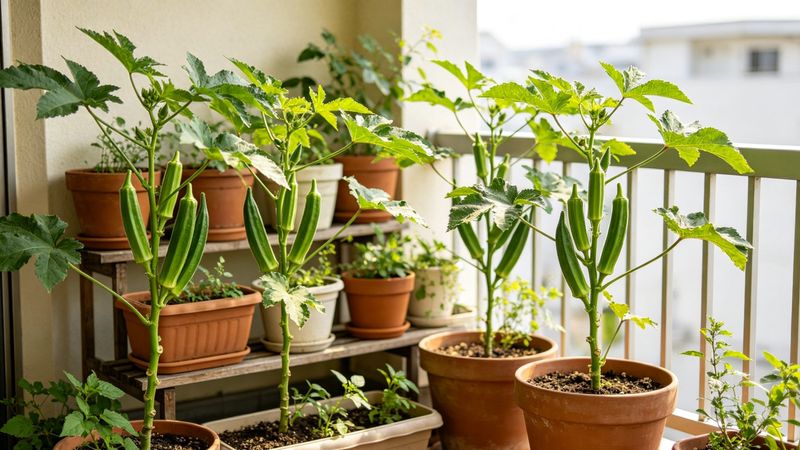
Strawberry tells us about strawberry cultivation
Introduction to strawberry
Strawberries (academic name: fragaria xanassa duch. ), multi-year grass plants. It is 10 to 40 cm tall, has a tuber lower than or close to the same leaf and is densely covered in yellow. The leaves, which are short-strengthed, thicker in texture, revealed in egg or diamond form, are dark green and have little hair, light green beneath them, obscurous hair, and thicker along their veins; and the thickest of the leaves is made yellow. A chute line, with a short-stamped leaf under a mask; a bouquet of both sexes; an ostrich ovary, slightly longer than a pelvis; and a petal white, near or re-emerge ellipse. Olympiads are large, separators are standing up to the fruit; thin fruit is sharp, smooth. Period of april-may, period of june-july。
It is widely cultivated in south america, throughout china and in europe. Strawberries are of high nutritional value, contain a variety of nutrients and have health effects。
Ii. Main varieties
There are many good varieties of strawberry cultivation in china, with more than 20,000 species worldwide, but dozens of good varieties are grown in large areas. There are 200-300 new varieties that china has cultivated and introduced from abroad. The main plant varieties in production are described below:
One, big
Strawberry was cultivated by the institute of horticultural research of the academy of agricultural sciences of jiangsu province, china, from a hybrid of the mdus*mdu4493 introduced in the united states, and was validated in 1989. Short cone of strawberry fruit, with an average of 15-20 grams of single fruit; smoothing of fruit, orange red, radiant velvet; red fruit, fragrance, ointmental heart, flavour acid, strong taste; soluble solids, 10-11 per cent; low sugar/acid; and vitamin c51. 9 ml 100 g。
Strawberry plants are long and robust, standing in shape, small and large, standing in shape; leaves are thick, round, flat and smooth; flowers are above or flat with leaves, with an average of three bouquets and 8. 6 flowers per series. The fruit is very hard and extremely durable for storage, keeping 3-4 days constant in plastic boxes at constant temperatures. It has good productivity and little fruit, high temperature tolerance and high resilience. Sleeping depths are suitable for late, productive, resistant and excellent strawberry varieties, suitable for the mid- and low-down river。
Ming jing
Crystal strawberry was the pre-cooked species selected by the shenyang agricultural university of china from the natural hybrid seedlings of sunrise in the united states and validated in 1998. It's big, it's near round, it's neat. An average of 27. 2 g for a primary sequence and 43 g for a maximum. The face of the fruit is red, flat and bright, and the fruit is more hard, and the fruit is red, dense and small. Frozen acid, containing soluble solids 8. 3%, of high quality. The fruit is more hard, the leather is more resilient, and the storage is more resistant to transport. The plant is more vertical, has fewer branches, has an ellipse of leaves, has a key, leaves are thicker, glitter and leaves are darker. It's about 33 cm. The number of flowers is lower than the number of leaves, and the number of flowers is equal to 1. 8 for single plants and 9. 7 for each。
Crystal strawberry winterization, cold resistance, late frost resistance and cold resistance are strong. Regional adaptation is widespread. The density per acre would be 10,000 to 12,000, which would be very productive for pre-maturized varieties. It is appropriate to plant in the north-east and north-west china。
Ming wuk
Shenyang university of agriculture, china, is home to ming jing, and ami is a hybrid of fathers. The plant is strong, standing, on average 30. 6 cm tall, with large and thick leaves, cylindrical eggs, thick bouquets, and taller leaves, with an average of 1. 5 bouquets in single strains, with a strong growth capacity in the stem. The fruit is close to round, smooth, radiant, radiant, flat-coloured, flat-stamped, easily detached, fruit and meat pink, fragrance, sweet acid, high quality, soluble solids content 9. 1%, vitamin c64. 3 mg/100g. An average of 16. 4 g of single fruit and a maximum of 38 g of primary and secondary fruits. Strawberries are grown in the field, producing 1,000 kg per acre, which is higher than the early birth of the poignant, and the fruit is more resistant to storage and disease. Because fruit is essentially staggered, it is not exposed to surface contact, it is not contaminated, and no diseases such as pollinosis, as well as grey disease are observed. Mingsook is an early-maturity breed, born six days before the birth of the baby, and is more resistant to cold and unfrozen. They are suitable for field cultivation in northern areas, such as liaoning province, and should be grown in such a way that they are grown in such a manner that they are grown in such a way that they are grown in such a way as to produce around 12,000 plants per acre。
4. Chun wuk
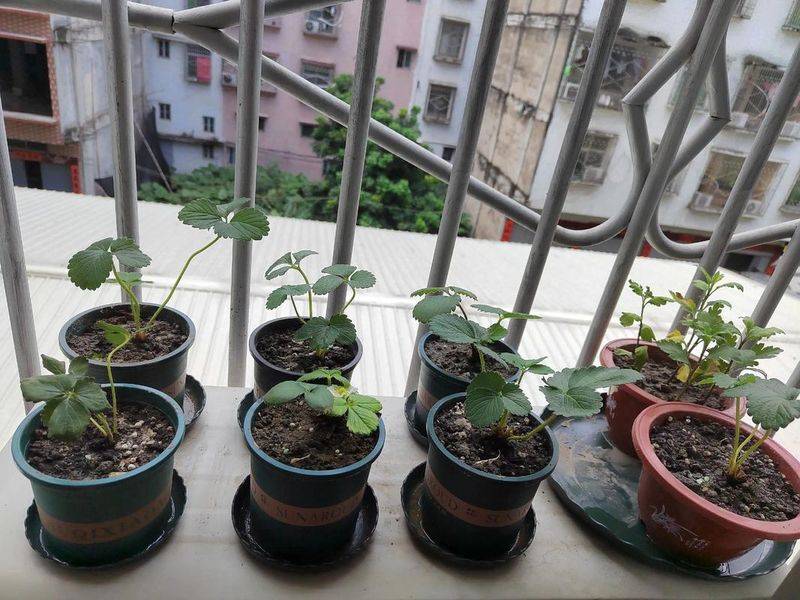
The horticultural institute of the academy of agricultural sciences of jiangsu province, china, is composed of mixed varieties of chunxiang or poland, which were validated and named in 2000. The plant is medium-growth, open, 29 cm high, with a coronary of about 23 cm, a long circle of leaves, a single leaf of 6 to 10 leaves, smooth leaves, long leaves, slightly brown in the foliage base, flat or higher than the foliage, with two to three bouquets in each, a strong mast-trench capacity, and a few saplings per reversible. A cone of fruit with an average single weight of 15 g and a maximum of 36 g, smoothing of the fruit, fresh red, bright and strong, small seed size, thin distribution, slightly dimmed, soft fruit and red fruit. Meat fine, juicy, sweet, good quality, soluble solids at 11. 2%, vitamin c53. 7 mg/100g. A short hibernation period, low demand for low temperatures (within 40h), heat resistance, drought resistance, and low temperatures, with greater resistance to powder. The production is good, and the production per acre is around 2000kg. Spring strawberry began to mature in mid-december in the nanjing region and the harvest period lasted until the end of may. Precious strawberry fittings enable cultivation。
Five. Stars
Strawberry no. 1 and strawberry no. 2 are new varieties developed in 1990 by the forest fruit tree institute of the academy of agroforestry of beijing city, china, using all star as their mother, and fungsang as their father's hybrid, and were finalized in 2000 through the beijing city commission for the validation of crop varieties。
Stars 1 plant is strong and stable; leaves are elliptical, fruit cone, red depth is bright, seeds are yellow and green and distributed evenly. On 12 may, the field maturity period for field cultivation in the beijing region was 25-30 days, with an average fruit weight of 25 g for primary sequence fruit, 42 g for the maximum fruit weight, 42 g for the top evaluation of fruit appearance, moderate sweetness of fragrance, strong aroma and fine meat assessment, 8. 85 per cent soluble solids, with vitamin c 54. 49 mg for every 100 g of meat, 4. 99 per cent of total sugar, 1. 42 per cent acid, 3. 5 per cent sugar acid for 1: 0. 404 kg/cm2 for fruit. Strawberry fruit, star number 1, is red and suitable for fresh food and processing frozen juice and sauce. For pre-cooked, fruity, high-quality fruit with a high hardness and a strong storage system, it is suitable for semi-contribution cultivation。
Strawberry plant no. 2 of stars is strong, has a relatively straight state, has a cone of fruit, with light in the red; seeds are yellow, green and red. In beijing, field cultivation matured on 7 may for 25-30 days, with an average of 27 g of pre-sequenced fruit weight and a maximum of 59 g of fruit weight; in the external evaluation, the sweetness of the fragrance is moderate, the scent is thicker and the mass of meat is high, the soluble solidity content is 8. 72 per cent, with no 100g meat containing vitamin c of 53. 43 mg, a total sugar of 5. 44 per cent, acidity of 1. 57 per cent, sugar acid ratio of 3. 46:1 and fruit hardness of 0. 385 kg/cm2; production per acre can be used for protected ground planting. The fruit is red in depth and suitable for fresh food and processing. Strawberries, number 2, are new systems of pre-maturity, large fruit, abundance, high hardness of fruit and durable storage。
Six, stoneberry 1
Strawberry no. 1 was selected by the stones and trees institute of the academy of agroforestry, hebei province, china, from a single plant that was introduced and was named after it in 1990. Plants grow strong, stand straight, 31. 3 cm high. An average of 5. 7 spasms per plant, thick leaves, long circles, colour green, smooth leaves, small hairs, deep and large leaves. Sequences are lower or more than leaves, 19. 8g fruit and 31g fruit. The twilight, except the twilight. The seeds are red, and they're deep in fruit. The fruit is beautiful, long cone-shaped, red in colour, radiant, heavy hard in fruit, red in fruit, sweet in sour and smelly. Soluble solids at 10. 2%, vitamin c98. 3 mg/100g, sugar acid ratio of 5. 22:1. Strawberry 1 is very productive, yielding an average of 334. 6 g, with little deformity, resistance and resistance to transport, greater resistance to disease, short hibernation and excellent early ripening. Both fresh food and processing are suitable, both for field cultivation and for the installation of archage。
Iii. Growing habits
Strawberry homogenic cool climate, strawberry root system growth temperature 5-30°c, temperature at 15-22°c, leaf growth temperature at 20-30°c, thawing effect at 15-10°c, lumbering temperature at 5-15°c and flowering result period 4-40°c. Strawberry temperatures are higher than 30°c during the summer and shades are required when sunlight is strong。
Strawberries are radiant plants, but have strong shade tolerance. When light is strong, it is small, small, dark and of good quality. Medium light, large fruit, light colour, low sugar, long harvest time; light is weak and adverse strawberry growth。
Strawberry root systems are shallow, evaporated and subject to stringent water requirements, but have a long life cycle. Strawberry requirements for moisture are slightly different. In early spring and flowering, grass is less than 70 per cent of the maximum water content of the soil. The demand for fruit growth and maturity is highest at more than 80 per cent, followed by the extraction of fresh and volatile roots, with no less than 70 per cent water content in the soil. The fall is a period of accumulation of nutrients and buds, with no less than 60 per cent soil moisture, and strawberries intolerant, requiring good soil penetration and attention to the drainage of the field's rainy season。
Strawberries are suitable for growth in fertile, estranged or micro-acid border soil, which is too much of a sticky soil to cultivate, and sand is used to produce more fertilizers, water, and strawberries。
Iv. Methodology
Seeds
Seed breeding is mostly used for long-range seedling or strawberry seedlings to select new varieties, and can also be used for greening fresh food and planting. At harvest in may-june, well-developed, fully mature fruit is selected for seeding. Cut down the bark, put it in the water, wash away the sluice, and dry it; or dry it directly, then grind it and separate it from the seed。
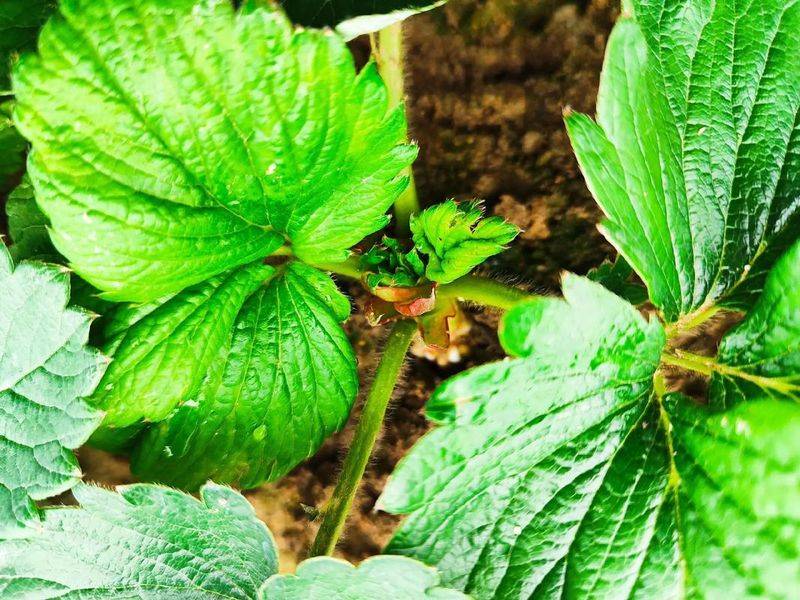
Most seedlings take place in the following spring, but also in july-august of the year when seeds are collected. Before seeding, a wide swath of mud basins is prepared to fill with thin ground, flattened, seed impregnated 8-12 hours in advance, immersed on the soil surface when it swells, and covered with thin sands of approximately 0. 2 centimetres in average sift. In order for the soil to contain sufficient moisture and to remain lax in order to allow the seed to take root, the seeding mud basin could be placed in a shallow pool, which could be removed after the water slowly damps the soil in the basin, then covered with plastic sheeting, which would be available for about 10 days。
When seedlings are produced, suitable seedlings are planted in small flower basins, as the seedlings grow 3-4 leafs. After a period of adaptation, the soil is moved to the nursery。
2. Division
There are two types of reproduction, one with roots and the other with new tubers。
Three, root-shaped
After harvest, the management of the mother's plant is strengthened in a timely manner, with the application of fertilizers, water, weeding, pine soil, etc., resulting in new sprouts and new branching. When the upper part of the mother's land has a certain new leaf, the roots of the ground have a new root, the roots of the ground are dug out, the dark and old roots are cut off, and the new roots are separated from each other. These roots have five to eight robust leaves, and four to five of them should grow with a strong yellow root. Separated root roots can be planted directly into production parks, with timely watering, improved strawberry management and growth, leading to normal results in the following year。
4. New tubers
In addition to the root tubing method, new seedlings from the mother strain can be cultivated. The method is to plant the first-year result, excavate the dirt after the fruit is harvested, and replant it in a flat tummy. It is 70 cm wide and can be planted in two rows at a distance of 30 cm, within which a hole is dug every 50 cm, with two seedlings per den. After a month, the mother's stem was sent out, and when each had two to three runners, it was strangled to the point, which prompted the new tuber on the mother's farm to grow thicker. Go to the runners and do it again and again. Thus, two years of seedlings are planted, with at least four to six new seedlings per den. The gravitational order of the new truncheons, combined with the bouquets around the new truncheons, is more than a third more than the gratuity of the sprouted truncheons, and yields have increased significantly, saving seedling land and labour. After harvest, three years of strawberry seedlings are removed and two years of fruit are still available。
Plantation techniques
1. Land selection
Strawberry land should be selected for a slightly higher terrain, ground leveling, easy drainage, good light, organic abundance, water retention, good ventilation, low acidity or neutral fertile land. Precipice crops are better in vegetables, beans, melons, wheat, etc。
Strawberry cultivation should be preceded by the thorough removal of weeds and the application of fertilizers to decomposition farmers, which typically produce 5,000 kg of organic fertilizer per acre, 50 kg of calcium per phosphate per acre, 50 kg of potassium chloride for base fattening, 30 to 40 centimetres of graft after application, promotion of soil decomification, 100 centimetres of ground level, 80 centimetres of oscillation, 20 centimetres of gavage, 15 centimetres of perm high and 20 metres long。
2. Plantation
The good quality of planting has a significant impact on the growth of strawberries and their subsequent management, so it takes a lot of effort to plant them。
Strawberries should be designed in such a way that they are directed, that the bows of the seedlings are turned back to the side of the ditch, that they are produced in the same direction, that they are planted in a number of holes, that they are planted in depths above them and that they are not heartless and that they do not have roots。
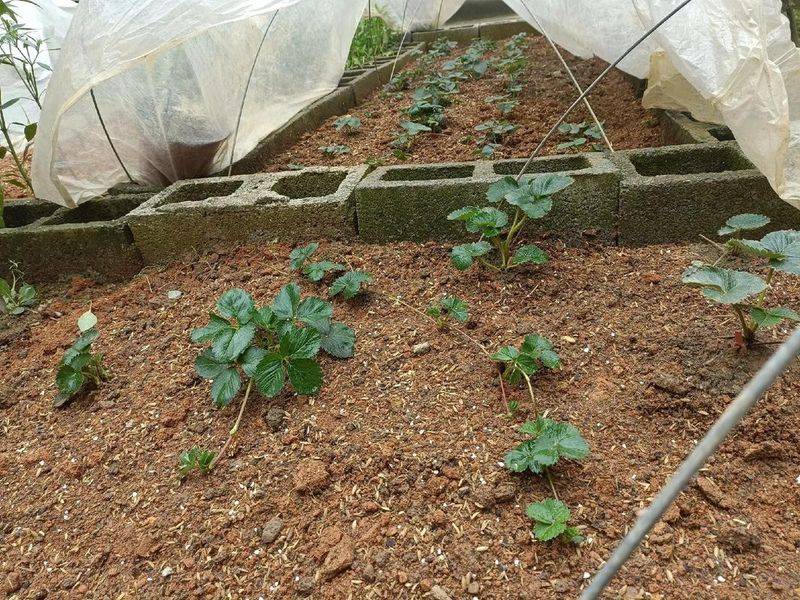
Rationalally dense: strawberry planting density is highly correlated to the level of cultivation, with low-sapling, delayed-planting, unfatilized fields being dense, with planting density set at around 8,000 plants per acre, and anti-cubation seedlings, early planting, fattening and membrane-covering techniques being rare, with a minimum of 6,000 plants per acre and a range of 50 cm x 20 cm。
Watering
The planting is followed by a permeation of water, which is usually done early in the morning and late in the week following the planting, and the soil is then kept in a constant state of humidity in order to make a living。
4. Fertilisation
Strawberries require more fattening from planting to flowering and, in addition to the application of base fertilizer, are supplemented in due course by 10 kg of strawberry-specific fertilizer or phosphate during the expansion of fruit and the start of harvest. A combination of watering is more effective in the form of 200 times liquid fertilizer, with only 2-3 applications of 0. 1-0. 2 per cent of potassium phosphate in long-lived fields, with some increase in yield and, in principle, no spraying in flowering periods. The principle of fertilization in fruit-mining fields is n-heavy p-k, and a reasonable ratio must be maintained in order to achieve higher yields and maximum benefits。
5. Coverage
The membrane cover has significant early maturity and increased productivity, and it also improves the quality of fruit and increases the commodity fruit rate. The membrane is usually beginning in mid-march. Be careful to remove the leaves from the plant before covering them。
6. Collection
The harvest period is a busy one for strawberry growers, in addition to marketing the harvest。
7. Other
Other field management needs to be carried out simultaneously:
Leaves, yellow leaves and fruit are often removed and buried deep outside the strawberry field to mitigate pests and diseases。
Newly born tubers are often removed。
In combination with harvests, half-red (to the sun) and half-blown fruits are found, which can be reversed and evenly matured。
Frequently clear the gutter, so as not to accumulate water after rain, reduce the humidity of the field and reduce the disease and the bad fruit。