Technological and plant management
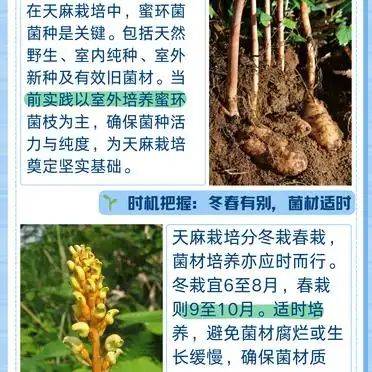
1. Preparation of bacteria. In pyroma cultivation, the honey circulus species used for the direct cultivation of bacteria are of diverse origin and consist mainly of the following species: natural wild bacteria: bacteria collected directly from the natural environment. Indoor pure bacteria: pure fungi produced under laboratory conditions. Outdoor new strains: new strains cultivated under specific outdoor conditions. Accompanyed with effective old bacteria: bacteria that have been used in paralytic cultivation and are still active. At present, outdoor growth of honey circulosis branches is common in production practice。
2. Cultivation during the culture of fungi is divided into winter and spring planting, with different periods of growth of the fungi: winter planting: fungus suitable for june-august of each year. (b) cultivation: it is appropriate to cultivate bacteria between september and october of each year. The timing of the growth of the bacteria is critical, and if they are produced prematurely, the bacteria may be decomposed as a result of consumption, and the bacteria are susceptible to ageing; if culture is too late, the rate of growth of the honey circulus slows down because of lower temperatures, which prevents the use of the bacteria in the year。
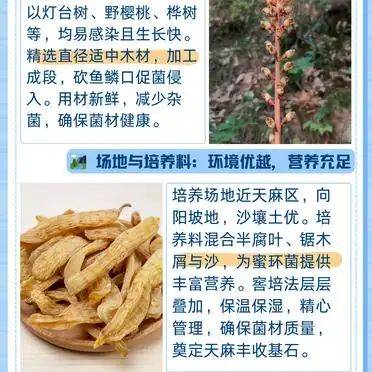
3. The selection of bacterial tree species and the treatment of honey circulus and shellpowel species are extremely friendly, with shellpowel species becoming the first choice with their hard mass and strong corruption resistance. In addition, the lumber trees of the sanjuco, the wild cherries of the zhuvico, and the lumber trees are good options, which are susceptible to infection and rapid growth of the honey circulus, reducing the period of cultivation. The selection of tree species should take into account local tree resources, the selection of trees with a diameter of 6-8 cm, the processing of logs growing from 60 to 80 cm and the cutting of fish pores at appropriate intervals in order to facilitate the invasion of the honey rings. Fresh wood should be used to ensure the moisture required for the growth of the honey circulus and to minimize the potential for bacterial infection. In areas where wood is scarce, materials such as straw, straw, maize shaving can be used instead and, when mixed with bacteria, used directly in tungsten cultivation。
4. The selection of the culture site should be close to the tianemu plantation area to reduce portering. Land is chosen for the sunward mountains with slopes of less than 20°, with the soil being thick, lax, ventilated, well drained sandy land and ensuring an irrigation water source。
5. Preparatory nutrients for culture are used to fill gaps in wood to provide nutrients for honey circulus. Semi-crushed leaves or sawdust are usually mixed with sand in proportion。
6. The method of culture of the bacteria is based on the method of baptism, which digs 1 m wide and 30 to 60 cm deep, depending on the need. 6 cm thick leaves are dug at the bottom of the cellar, and a section of wood is flattened and, if a section of wood is dryer, it needs to be immersed early. Put four to five branches in the wood section, wet the water and fill the void with corrosive soil. In this way, layer by layer, eventually covering 6-10 cm thick soil and covering it with grass or leaves to keep temperature and humidity. Bacillus cultivation is a key link in ensuring the quality and yield of the abdominal gestation and therefore requires careful management。
7. The management of bacterial culture is essential in order to ensure the high productivity and quality of the disease. Humidity regulation: maintains a suitable range of 30 to 40 per cent of water content for the fillings and logs in the fungus. The internal humidity of the cellar is regularly checked and water is poured or drained in due course to keep the state of optimal humidity. Temperature control: growth temperature range of 6-28°c of honey circulus, more than 30°c limited and more likely to breed fungi. Optimal growth temperature 18-22°c to provide optimal growth conditions for the honey circulus. When the temperature is low at spring and fall, the interior temperature of the cellar can be increased by covering plastic film. Temperature protection measures: covering of dead leaves or herbs on culture cellars to enhance temperature protection。
8. Field management cover is free from cultivation: after planting, the lids are covered with leaves and grass to protect the temperature and humidity against freezing and weed growth while avoiding soil sheeting and improving soil aerobics. Hydrological regulation: the demand for water varies between the growth stages of the gestation and the honey circulus, and the overall demand tends to be higher and lower. The soil is moist in the early spring and water needs increased in april during the bud. In july-august, the boom season required the most water. In late september and early october, he or she grew into a stagnating form, which required water control. The period of hibernation between november and march of the following year has resulted in minimal water requirements. In times of drought, three to four days water once, avoiding overdose. During the rainy season, attention is paid to drainage and plastic membranes are covered when necessary. Temperature regulation: during the high-temperature period from june to august, shade protection measures such as shackling or inter-cropping for high-drive crops were introduced. The soil is thickened by winter and covered with herbs to keep warm. After the spring temperature rises, the cover is removed in time to reduce the lids and increase the temperature. Weeding pine soil: weeding is not generally done, and weeds on the ground are eradicated before the saber is sprouts when they are harvested over the years. After heavy rain or irrigation, the soil is properly released to facilitate air flow, but it is not appropriate to be too deep to cause damage to the young。
# search for topics for quality plans #