


1 species selection
The planting of cherries in winter-heating greenhouses in autumn and winter requires flowers in the least-temperature and worst-light seasons. The choice of varieties requires a low temperature, a weak light, a high resistance to atrophy, powder, frost, and a very low temperature condition. The varieties currently selected are delicious cherry tomatoes。
2 shrunk management
The temperature of the seedbed requires 30°c before the seedling is produced and 20 - 25°c after the seeding. The weather is 25°c, the cloud is 16°c and the night is 7-10°c lower than the day. The bottom water is wet enough to sow 10-13 cm of top soil that it is wet during the day, dry at night, wet in the clear and dry in the dark. It is often produced by low-temperature and controlled water, with 7d pre-planted and open-air seedlings carried out at night without wind and rain cream. Every 10 to 15d, 65% of the dyssey zinc 600 to 800 times the fluid spray is sprayed one time, and 50% of the dysentery ammonium and 70% of the tobutzim 1,000 times the fluid is also used interchangeably. When there are individual strains in the nursery, the strains should be removed immediately and sprayed in time to prevent their spread. At the age of 25-30d and 1 in centipede, the criteria for fattening the leaves, deep greening of the leaves, well-developed roots and pest-free are met。
Three full fertilisations
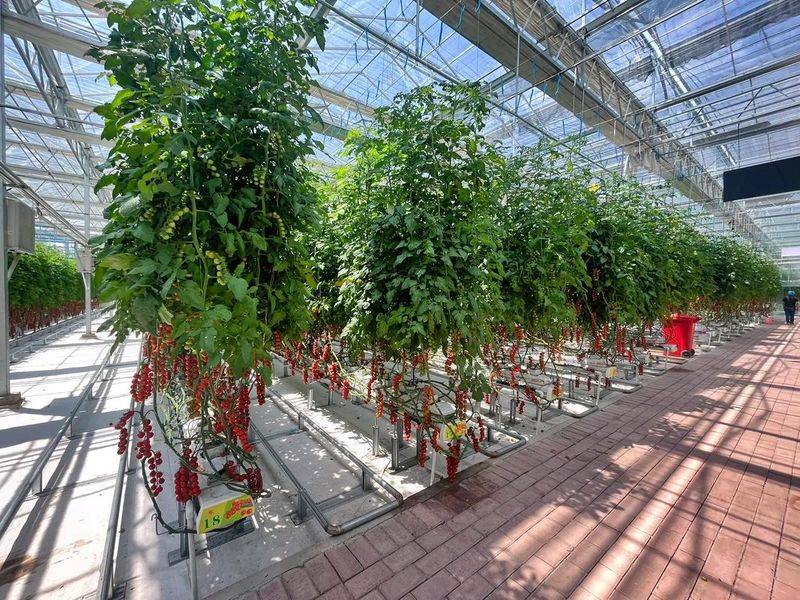
In winter tomatoes must be fertilized. Demersal fats should be fed into the corroded cormpost, cow and horse dung, chicken and poultry dung, pigs dung dung, etc., in appropriate quantities into fully fertilized platinum, rice husks, and waste food fung culture. Farmer fat 45~75t/hm2, calcium perphosphate 1,500kg/hm2 or ammonium phosphate 450~750kg/hm2 or biofertilizer 600~750kg/hm2 or pie fat 3,000kg/hm2. It can be applied when the bottom is fat, and when the bottom is less, it can be applied by two thirds, and one third, in ditches. After the ground is spread, the ground is then pushed deep twice, and then the remaining fertilizer is released into the ditch, which is fully mixed with the earth, and water is then poured into the ditch to create the bottom of the foot。
It's four
Cultivation is generally based on a north-south-to-south membrane cover of double-heavy (sized and large) cultivation, which generally increases the temperature at about 2°c, reduces soil moisture evaporation, lowers greenhouse humidity and reflects the membrane. The two-thirties are 20-30 cm high, 80 cm small and 100 cm wide, and set at 4. 955-525 million/hm2. The greenhouses should be properly rared and fertilizer management strengthened. The density of the plant shall be determined according to the variety and strength of the land, with a depth of 25 cm and a dredge, so that the fertilizer is even with the soil, in the form of 20 to 30 cm high larvae, with conditions for the installation of drip irrigation facilities。
The sun is chosen for planting when the light is weak, and when the water is drained, the seedlings are established. The seedlings are to be moved by large, medium and small classes to the fixed plant. From the entire greenhouse, the seedlings should be placed in the east, west and front of the greenhouse, and the small ones in the middle of the greenhouse. In one line, the seedlings are in the front, in the back, and generally in the middle, which is conducive to subsequent growth and integration. When planting a seedling, the leaves are in the same direction, the pedestal depth is the same as the plume, and since the temperature of the seeding is high and the membrane is non-repeated, the planting shall be based on repeated graft, and shall, as far as possible, promote the deepness of the roots, and then break the cavity seed, covering the membrane and crushing both sides。
Field management
5. 1 water in due course
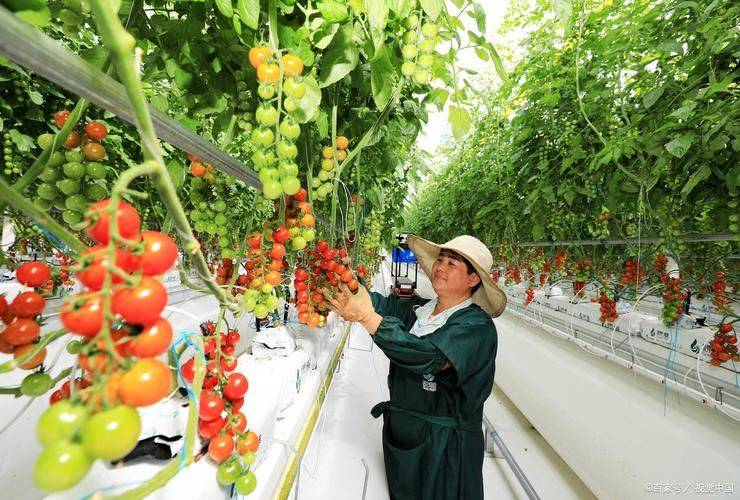
The water is distributed between the two ends, i. E. Before the end of the outcome period, mainly by raising the temperature of the land from the tillage of the medium till the end of the period, and by draught with a little water to dry it; till the end of the winter season, the water can be planted with the option of a clear morning, the membrane between the two stubbles will be removed, the membranes will be rinsed, the straw curtains will be duly built early after the afternoon and the ventilation will be increased in the following days. During this period, water must not be watered or unwatered. When the demand for tomatoes increases after february, the amount and frequency of water can be increased appropriately。
5. 2 scientific fat pursuit
Appropriate additional application of phosphorus and potassium fertilizer, subject to the provision of nitrogen in the soil. After the fruit has been taken, active organic fertilizer is applied once every 10-15d dens at 1,500 kg/hm2, and potassium phosphate is sprayed three to four times on the leaves。
5. 3 temperatures are adjusted to enhance ventilation
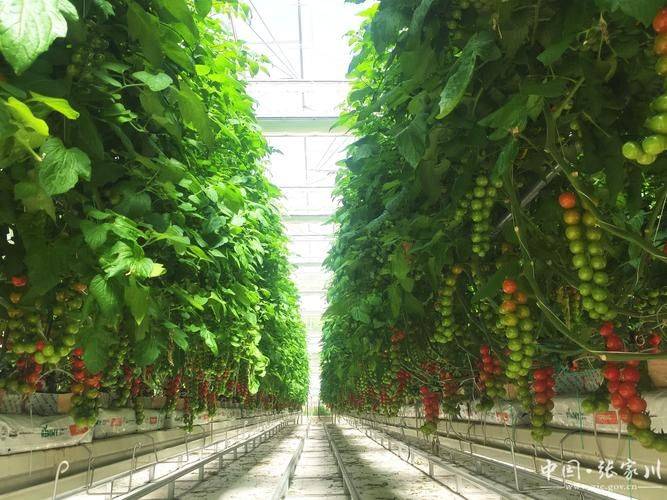
It was planted in a hair tree, mainly for root promotion, at 25-30°c during the day, at 15-18°c at night, at 21°c at a cooling and cooling. In the harsh winter season, the temperature is kept below the temperature limit, as weather conditions change, with the maximum temperature not exceeding 28°c in the middle of the day and not less than 10°c in the evening; during the middle of the day, the temperature is increased as far as possible, at a minimum of 8°c in the evening, and the difference between day and night is maintained at above 8°c. Temperatures gradually recovered in february, with tomatoes entering the plethora of results, not exceeding 30°c in daylight and above 12°c in the evening. No major ventilation before planting the seedlings, and enhanced ventilation after slowing down. In the run-up to winter, vents are kept at night when the temperature in the greenhouse meets the requirements. During the winter and cold season, there is no ventilation at night, and the amount of ventilation is gradually reduced during the day. When greenhouse temperatures are low, minor ventilation is still required at noon to remove harmful greenhouse gases and humidity. In february, with the return to temperature, the amount of ventilation will be increased gradually from a small point to maintain the lower range of suitable temperatures in the greenhouses through ventilation, depending on the temperature in the greenhouses。
5. 4 plant adjustment
It is usually done in a single branch. When the plant is too high, the lower leaf is destroyed. Roast chickens should be light, not too heavy at a time, let alone damage the leaves, so that they are distributed evenly in space and do not hide from each other。



