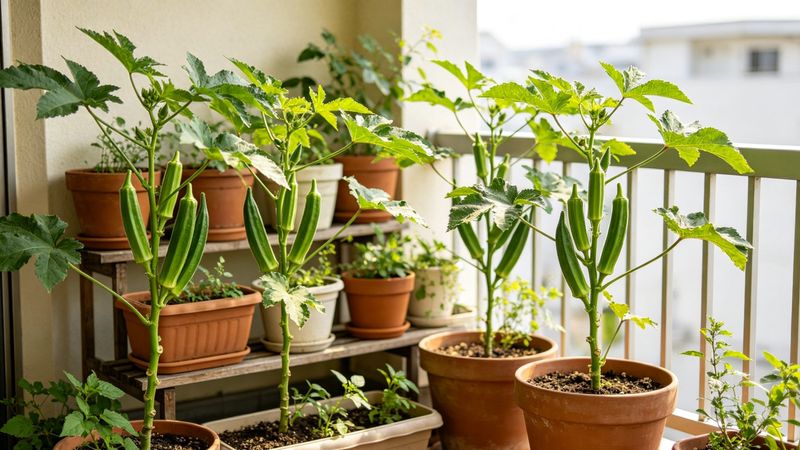
2025-2026
School year autumn cultivation
I. Analysis of teaching content
The main teaching content of the course is the autumn cultivation process and key management points, covering the range of species from selection to collection
Full-cycle operational steps, with emphasis on soil preparation, seeding methods, water management, pest control and harvesting
Collecting skills. The content of the teaching is closely linked to the knowledge of the students who have previously studied the basic conditions of plant growth
(e. G., light, moisture, soil nutrients) some students may have been involved in family gardening, with initial
Based on the experience of growing, this class deepens hands-on skills, transforms theoretical knowledge into concrete operations and upgrades
Capacity to act and solve problems。
Core literacy goals
The course focuses on the core biology and leads students to develop scientific research skills through the autumn cultivation practice
E. G. Designing planting programmes, recording growth data; building life perceptions and understanding the interactions between plant growth cycles and the environment
Roles; fostering scientific thinking and analysing the impact of soil, moisture and other conditions on cultivation; strengthening social responsibility and understanding
The significance of agricultural practices in sustainable life enhances the ability to tackle real problems。
Iii. Analysis
Of the students in this class
40%
Students have been involved in family gardening, seed development, watering, etc
Basic operations have initial experience, but there is a general lack of knowledge of the details of a particular crop (e. G. Autumn), such as soil
There is a “know-how” of knowledge reserves for acid alkalility regulation, identification of pests and diseases in the nursery age。
In terms of competence, the ability to do hands varies: some students are skilled in small shovels, canteens are used to plant
Watering, however, has resulted in a lack of experience in the use of tools, which has resulted in rigid and inefficient operations. Quality, learning
There's a lot of curiosity about the whole process from seeding to harvesting, but some students may be lacking for fear of failure
Try the courage, fear. Behavior habits, classroom interactions, about
30%
Students can observe
Experiments have been documented, but there are still students who are used to being passive and are less involved in practice. These differences
It affects the course's hands-on practice
"theoretical validation" is a process that requires teachers to design a hierarchy of tasks
Take into account the knowledge base and level of competence of the different students and motivate them to explore actively。
Iv. Teaching methods and strategies
Select how to combine situational import with project-based learning by playing the whole of the autumn seeding to harvest
Grow video, create real planting scenes and stimulate interest in learning. The design of the "simulation of the autumn cultivation team" campaign
Student groups perform roles as growers, recorders, observers, etc., and prepare the soil (e. G. Organic fertilizer, tunes)
(b) the link between acid alkalistics, seeding methods, water management, pest identification and control, teacher travelling guides, and