


More recently, pigs have been on fire throughout the country, prices of meat have been rising and have recently stabilized. It has been reported that pigs from listed companies have died of hunger due to lack of feed. Why not plant some herbage
Sure. Pigs are a very food-intensive animal, so they have to be fed a great deal, and they are now growing pastures in many places to feed pigs, which saves a lot of feed, while the meat that eats is better and popular in the market。
And there are a lot of herbs that can be used to feed pigs, including seed grazes, daisies, russian feed, bitter grass, purple bouquets, sudanese grass, rye, and so forth。
1. U. S. Seed seed platinum
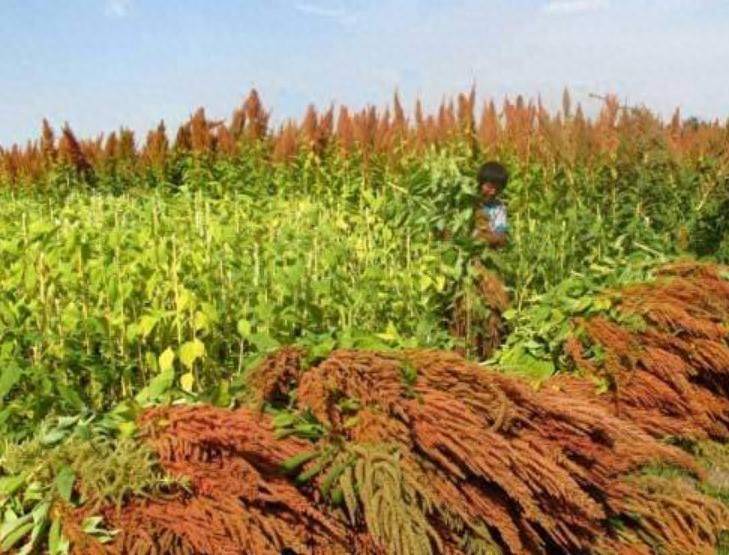
U. S. Seed plate
Seed pellets in the united states are feed and vegetable crops. The grass is widely adapted, regenerative, fast-use, more oral, with high levels of coarse protein, and can be used as a substitute for a portion of the finer foods such as maize, which are fed by pigs, cows, egg chickens, freshwater fish and rabbits, and are therefore well received by a wide range of livestock and poultry breeders. The united states has a wide range of seed grains that can be sowed in the spring, summer and autumn seasons, using longer periods, faster cycles and higher yields, with ordinary acre production ranging from 3,000 to 6,000 kg (three cuttings). It takes about 25 to 30 days from sowing to harvestable, or from harvesting to reharvesting, and a total of about 80 to 90 days for three harvests。
Two
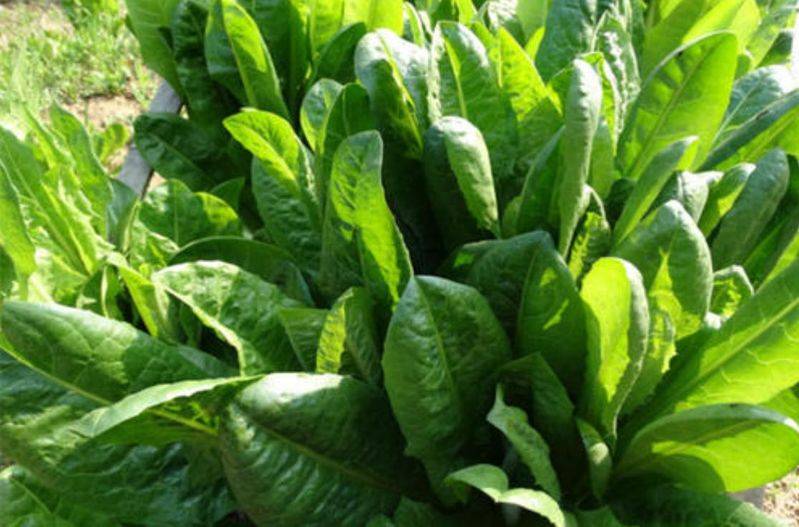
Kikuchi
The prairie is a drug of dual-use plants that are cold, drought-resistant and happy to be born on fields, hillsides, etc. As far as chrysanthemum is concerned, which can be grown to feed pigs, it contains a large amount of vitamins and sugar, as well as a variety of trace elements required for its growth
Russian feed
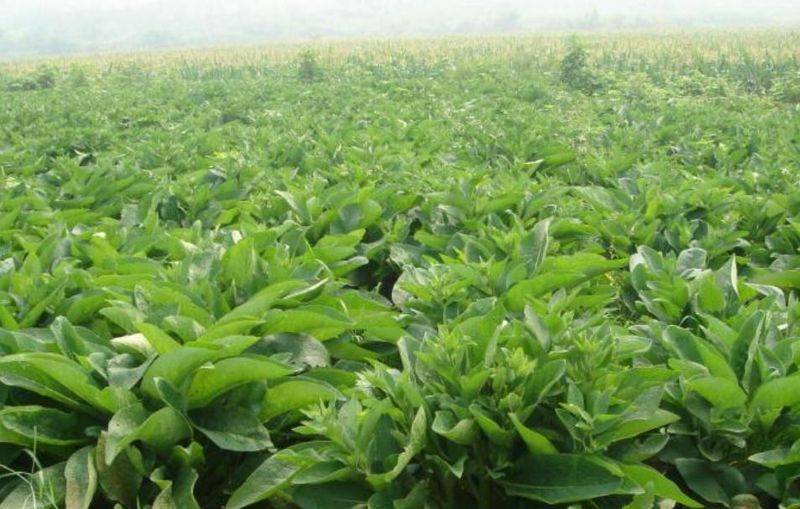
Russian fodder
Russian forage is a multi-year high-yielding, high-quality feed crop with purple polygamy, with a digestive capacity of 1. 67 mj/kg and a coarse protein of 3. 2 to 3. 96 per cent, while coarse fibres contain only 1. 3 per cent of the cucumber fragrance, which is especially delicious and very edible. Over the years, we've been expanding the area of forage, using it as a feed, with a full-cost feed. The daily food of pigs, which has resulted in a significant reduction in the cost of raising pigs, has yielded good economic benefits。
Four, the bouquet
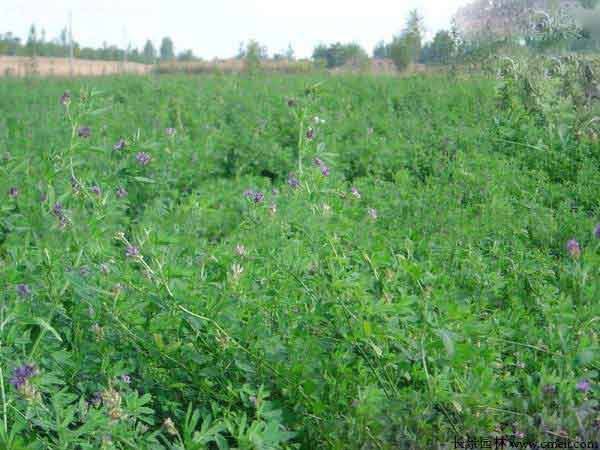
The purple bouquet
The purple herb is one of the most widely distributed pastures in the world. It is highly adaptable and has the title of king of herbs, which is of great quality. The verbs are soybean herbs with a high protein content and also contain a variety of nutrients, which are good for taste and which are eaten by livestock. Combined with its high yield, it can produce a large amount of fodder a year and is well suited to feed large-fed livestock, such as pigs。
Five, rye
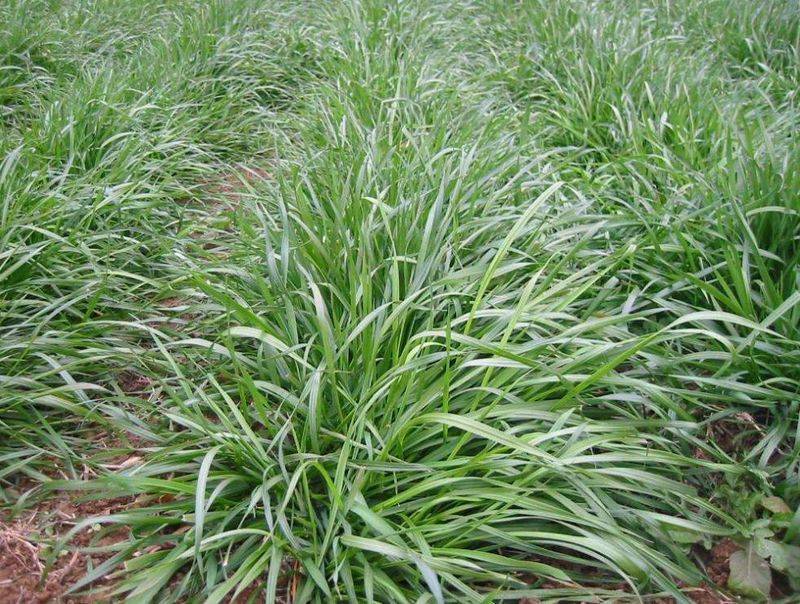
Blackweed
Black wheat grass is cultivated throughout the country and is a type of pasture preferred by farmers and highly adaptable and resilient. If the growth environment is good, it can grow four or five consecutive years after a single planting of rye, with high annual yields and long growth cycles. Moreover, the rye is of excellent quality, it has a large number of leaves, it has a lot of brilliance, it has a high nutritional value and it is a kind of pasture that pigs and other livestock like。
6. Sudanese grass
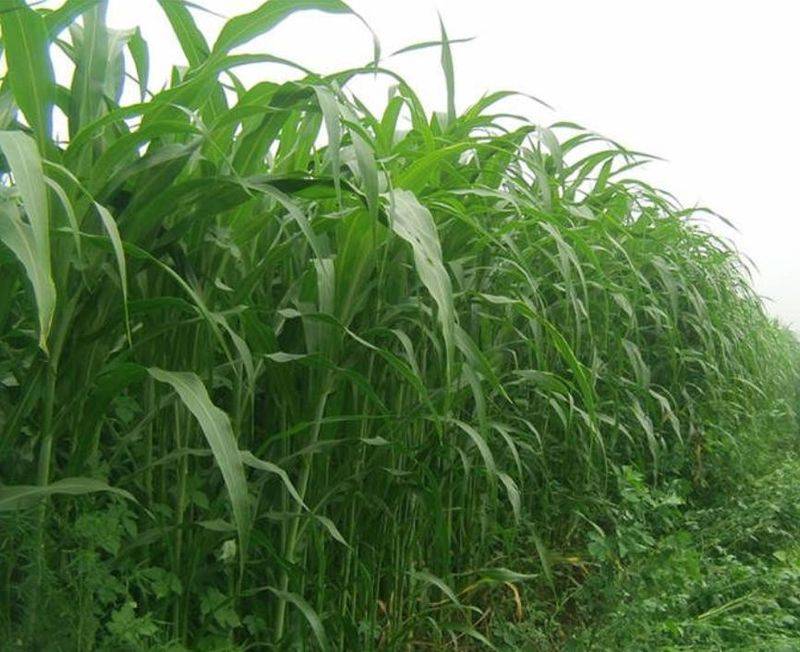
Sudanese grass
Sudanese grass is a highly productive herd that can harvest several times a year and is highly regenerative and suitable for pig breeding. Moreover, sudanese grass is so thin and soft that it has a good taste, pigs are very edible and rich in a variety of nutrients, grazing or harvesting, and can be stored into good-quality dry grass feed。
In conclusion, the range of pastures suitable for pigs is very large and most of them can be used for pig farming. The above-mentioned is a good, nutritious and productive quality of pastures, which produce more pigs per acre, thus reducing the cost of raising them and generating greater economic benefits. It is therefore important to carefully select the varieties and to choose the high-quality pastures for planting。
More knowledge about grazing is welcome to focus on the seed gang, or to leave a message at the bottom of the article

Seeds, help you choose a better seed



