While many years of growing grass are used for many years and its friends want to grow it, save hearts, effort and effort, it is not costly, but before we grow it for many years we must first understand the nutrients of each herb, and our local weather, our own land, and our species, before we can grow it, otherwise we will not grow white. In the first place, the daisies, the rumeks and the russian feed are all broad-leaf pastures, with a long life, which can be used for about 10 years at a time
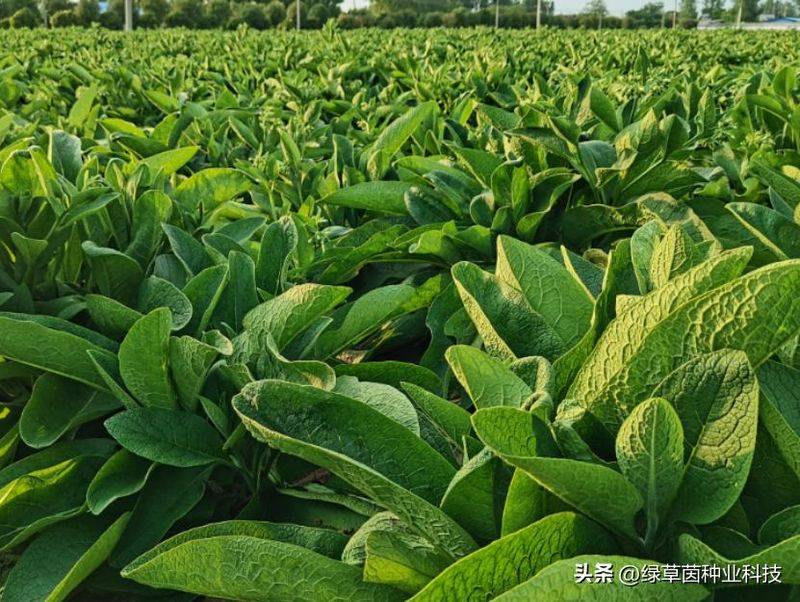
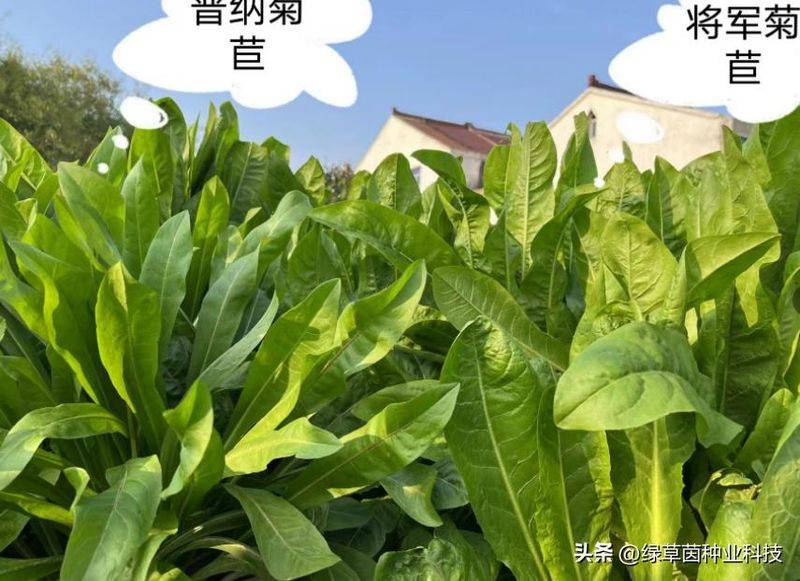
First, the nutritional balance of the pyrethroids: the curry-type leaves and herbs are not only of the same size as the vegetables that people eat, but are also very similar to those that people eat. In the first place, the daisies are nutritionally balanced herbs, which are especially suitable for single-intestinal animals such as pigs, chickens, ducks and geese, for staple foods, high protein content, smooth and soft leaves and good oral properties, and also contain a stopper factor, which is not diarrhea at all. As long as our winter temperatures are within 15-18 degrees below zero, the chrysanthemum is cold-seasoned, drought-resistant, salin-resistant, and grass-resistant, except for the flooding. It is not as cold-resistant as it is produced in russia and as well as in rumeks。
Ii. High protein levels in rumeks: lumex's fourth generation of hybrid acid simulator, which is a new type of high-protein herbage, with a protein content of about 38 per cent, is grown at a rate of about 10 to 20 years at a time and can be grown in the north and south of the country, at 38 degrees below cold tolerance, drought resistance, saline resistance and heat resistance. Five to eight harvests per year, with acre production of more than 15 tons, and a year-round green, with long cuts in the south. Rumeks is not as healthy as a chrysanthemum, the leaves contain monotony, sour acid, and feed to animals needs to be broken, mixed to feed, or mixed with dried grass powder and other fodder。
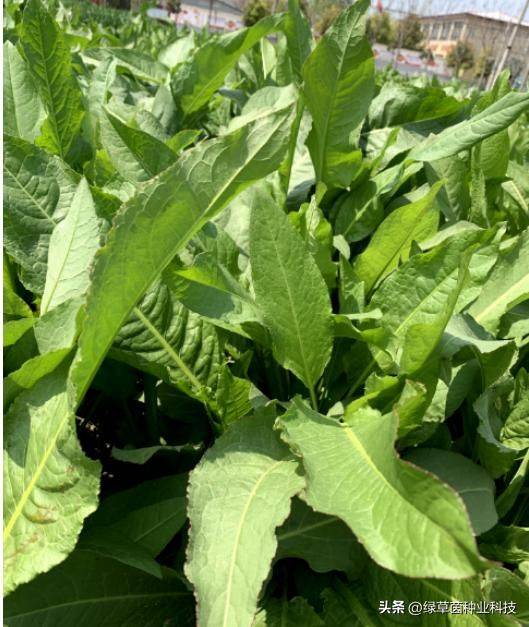
Iii. The king of russian feeding forage: russian forage can be grown 15-20 years at a time, using roots to grow broad leaves and grass, which are resilient, drought-resistant (under 40 degrees), drought-resistant, salt-resistant, heat-resistant, and can be cultivated in the north and south of the country, with acre production ranging from 10 to 30 tons, cold and dry in the north of the country of about 10 tons and abundant water in the south of the country of 30 tons. It's fatty, high production, and it's famous as the king of grass. However, the russian feed is full of wool and is not particularly good. It is fed directly to the mother, the chicken, and some other poultry animals need to be fed to improve their mouth. Protein levels are lower than rumeks, less poignant than curry, but production is higher than that of rumeks and daisies。
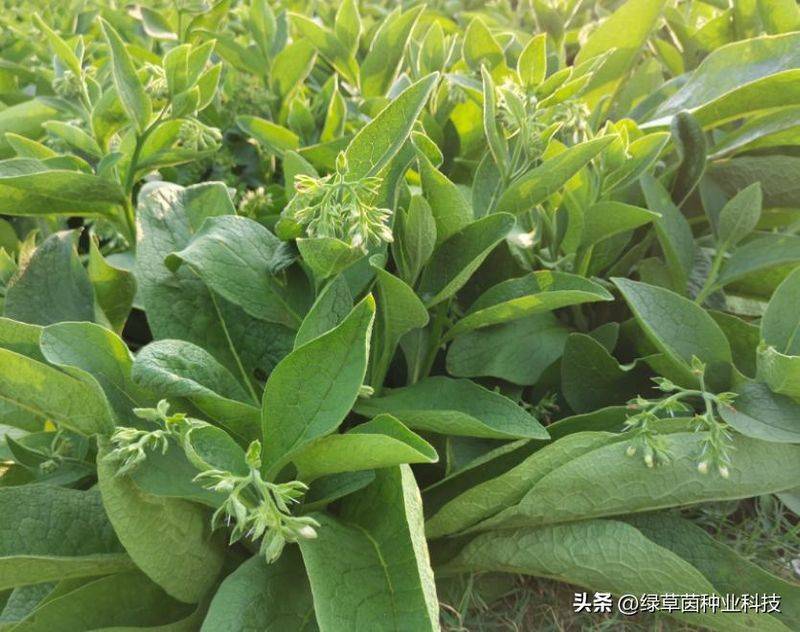
These are the characteristics of the three herds, which, in the belief that you will also choose their own varieties. So we grow herds in a manner appropriate to the local context, and in a way that avoids short periods and makes full use of its advantages and disadvantages. If you do not have a choice, please leave a message from the comment area below to me about your area, the animals that you raise, and the green herbs for you。