


Plantation of grass and the selection of grass are key to successful seeding, with different species of grass being selected in different ecosystems. There's a lot of farmed seeds that buy herbs, many of them have low growth rates, they don't germinate, and some of them don't even want grass seeds
Here's what we're gonna do with the grass seeds. How do you pick up high-quality seeds
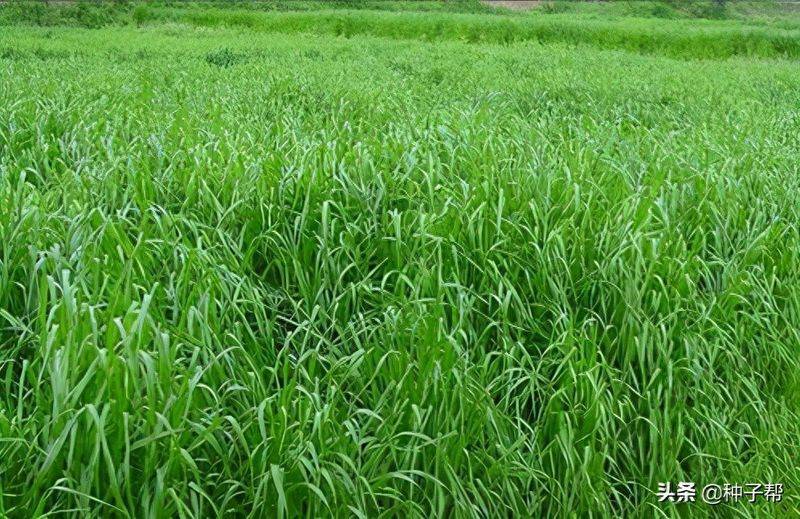
1. Drought-resistant grass species in arid zones: e. G., purple, daisy, sandy, red soybean, iced grass
2. The choice of low-temperature grass in cold areas is appropriate: for example, russian fodder, rumexis, manless freckles, pelican grass, vermin, yellow flowers
3. Salt-resistant herb species are preferred in saline areas, such as alkalin mackerel, vermin, rumeks, winter grazing, etc.
4. The red-border hilly areas are suitable for the use of herbs of high-temperature, acid-resistant soils: freckles, silver stings, etc。
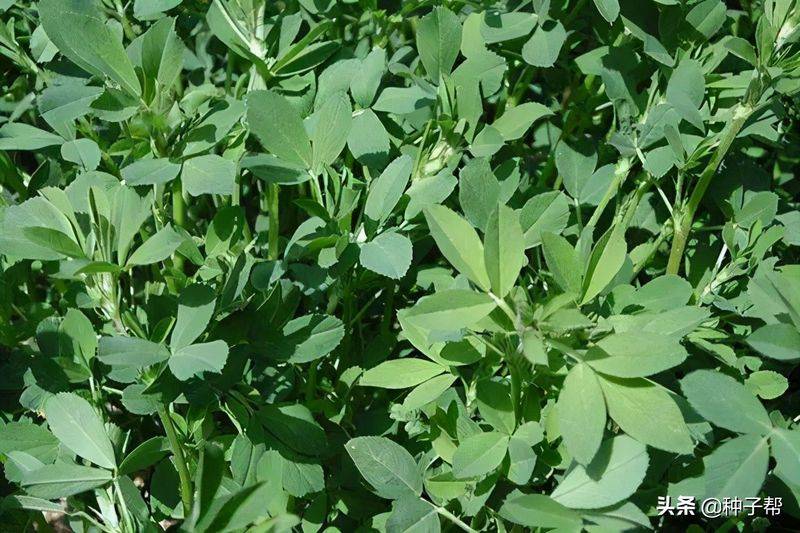
There are many species in a given plant, which may be selected according to the size of the fertility period in the planting area. Insect-resistant species, which are found in grasslands, highly pest-resistant areas should be selected for disease-resistant and insect-resistant species and varieties. In sum, seed producers can choose from a large variety of varieties high-yield pastures and varieties adapted to different production systems。
The quality of seeding material includes two elements:
First, the varieties have good genetic characteristics, are comprehensive and meet the needs of pasture production, including their productive capacity, adaptability, resilience, maturity, nutritional composition, etc. High-quality varieties are the result of the choice of breeders。
Second, the quality of seeds, i. E. The quality of varieties, which refers to the authenticity and consistency of varieties, and the quality of seeding, which refers to indicators such as purity, gestation, gestation rate, life force, water content rate, thousands of grain weight, health status, etc. The quality of the varieties and sowing quality is a guarantee of the quality of the varieties. Thus, the quality of seeding material is assessed primarily in terms of the quality of seed varieties and seed quality。
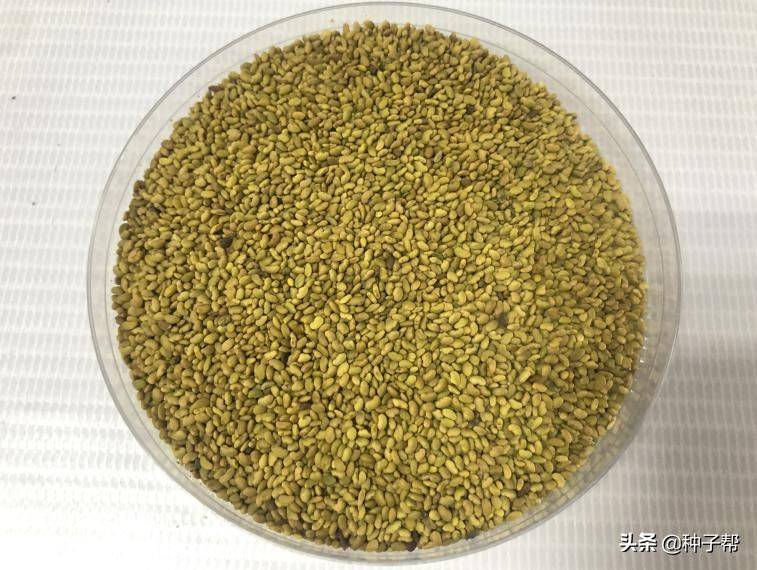
The seed of the vermin
Thirdly, the minimum indicator for the scale of production of herbs seeds can be selected and processed to increase their purity. Seeds that do not meet the minimum national standards for seed quality classification are not suitable for planting, and seeds that do not go through hibernation and hard treatment are judged to be good or bad by premeditation and by the growth rate of hard treatment. Seed quality can also be assessed using the test of seed life。
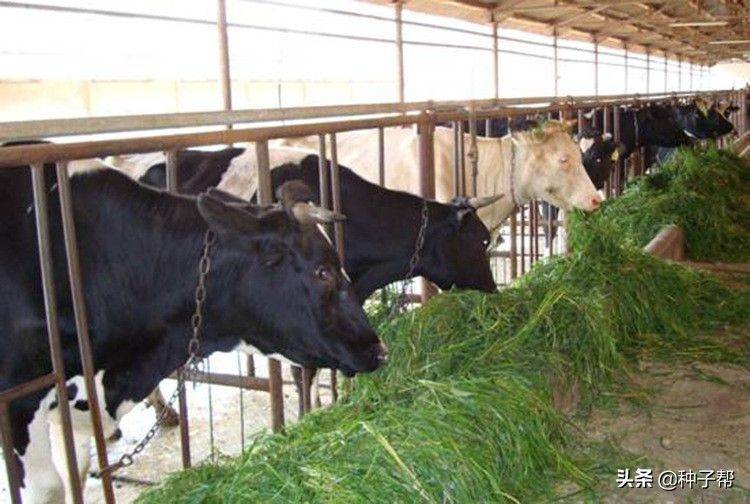
Water also affects the quality of seed seed planting, and the water content ratio of seeds is decisive for their safe storage. Appropriate seed water content rates should be below the safe moisture of the seed storage under local conditions or the amount of water contained in the herd seed classification standard. Health status is an indicator of seed disease infection。
Autumn planting of grass seeds:
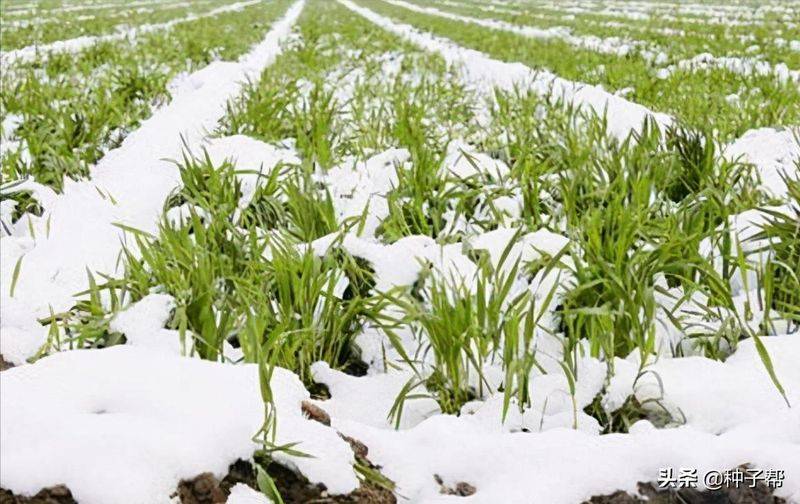
Cultivation in autumn and winter is based on the choice of cold-resistant, drought-resistant herb seeds, such as rye, vervain, rumax, daisy, white leaves, sparrow and beryllium。
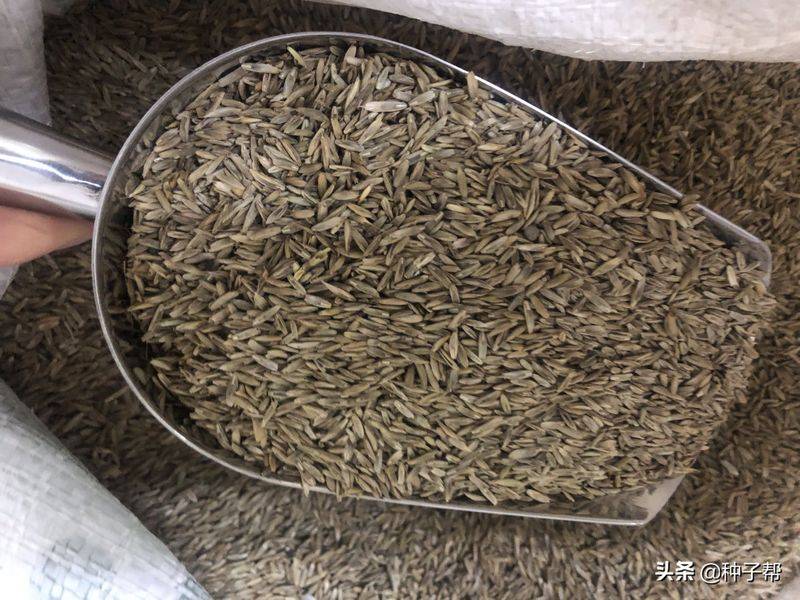
Seeds of rye grass
One of the conditions for good seeds is that they are free of insect infection, such as when the seeds are more serious and cannot be seeded. In short, seeds with high purity and gestation rates should be prepared and selected to ensure growth and productivity。
Do you know anything about the grass seeds? If there's any questions you can contact us or leave a message, we'll get back to you in time, thanks for the support



