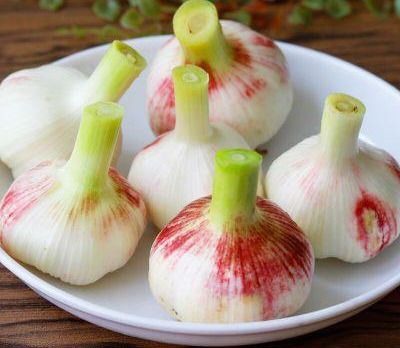
Selenium is one of the trace elements necessary for the human body and the production of selenium-rich vegetables is an effective means of supplementing human selenium. The country has 22 provinces, cities and municipalities that lack some or most of their soil selenium, and it is difficult to meet the requirements for vegetables to contain selenium on the basis of soil supply, and therefore must produce herring by means of artificial fertilization. In addition to increasing its selenium content, garlic can increase production and yield。
The role of selenium on crops
Selenium is not only a necessary nutrient for humans, but also a useful element for plant growth. It stimulates plant growth, promotes seed growth and the vitality of root systems, promotes nutrient absorption and plant metabolism, increases chlorophyll content for photocosynthesis, increases plant biooxidation and resistance to environmental coercion, improves crop resistance to disease and insinuation, and acts as a stress-resistant metal。
Ii. Advantages of garlic fertilizer
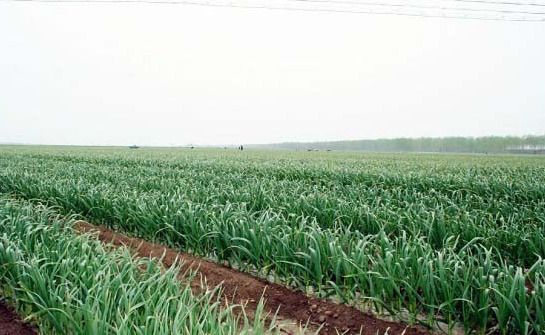
As a common vegetable, garlic has a high capacity for selenium enrichment; it is usually used to increase the amount of americium in garlic by soil selenium application, leaf-covered selenium application and selenium fertilization, fertilization of fertilizers, easy absorption of crops and high fertilizer utilization。
Fertilisation in garlic soils and on leaves contributes to increased garlic production. According to tests conducted, sodium naphthenate was used as fertilizer for 2145. 1 kg/ha, with an increase of 13. 75% compared with (no fertilization); sodium naphthenate was sprayed with garlic to the chronic leaf of 50 mg/l, with a yield of 24939. 1 kg/ha, compared with an increase of 14. 34%。
Iii. Methodology of greenhouse
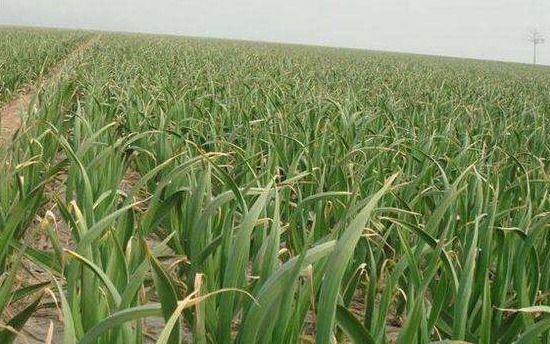
Garlic selenium is used mainly in leachate, leaf spray and soil selenium, as described below。
1 leaching method: 12 hours before seeding with 100 mg/kg sodium selenite solution. Garlic production generally increased by 10 per cent to 3 mg/kg of total garlic selenium。
2 soil selenium application: 13 grams per acre of sodium selenate are applied before garlic is sowed, evenly applied in sown ditches combined with other base fats, generally increasing the yield of garlic by about 15% and increasing the total garlic content to 12 mg/kg, with a significant increase in the yield of selenium。
3 spraying: a month before the garlic harvest, sodium sodium selenate was combined to a concentration of 100 mg/kg, 5 grams per acre of pure selenium, evenly sprayed on the garlic leaf, generally increasing the yield by about 10 per cent, the total amount of garlic was increased from 0. 072 mg/kg to 15 mg/kg, with a significant concentration of selenium。
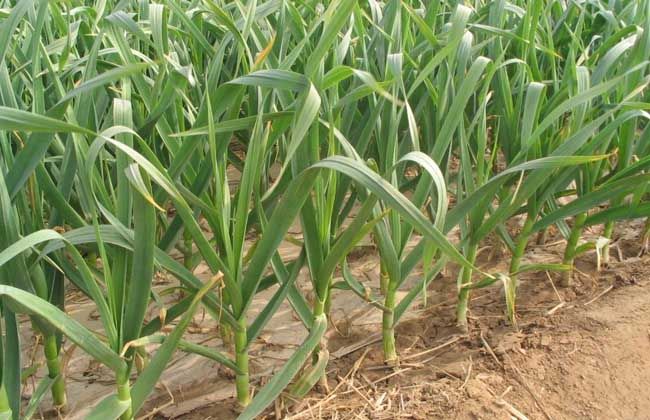
Iv. Attention to be given to the application of leek in garlic
Before applying selenium fertilizers, the plant soil should be analysed to see if it contains selenium, which is lacking. The effects of selenium fertilisation are evident; the use of selenium fertilizers is controlled accurately, too much will have toxic effects and too few will not have the effect of rich selenium; both application and earth application must be evenly applied; the application choice is used before 9 a. M. And after 5 p. M., after which the rain should be sprayed。