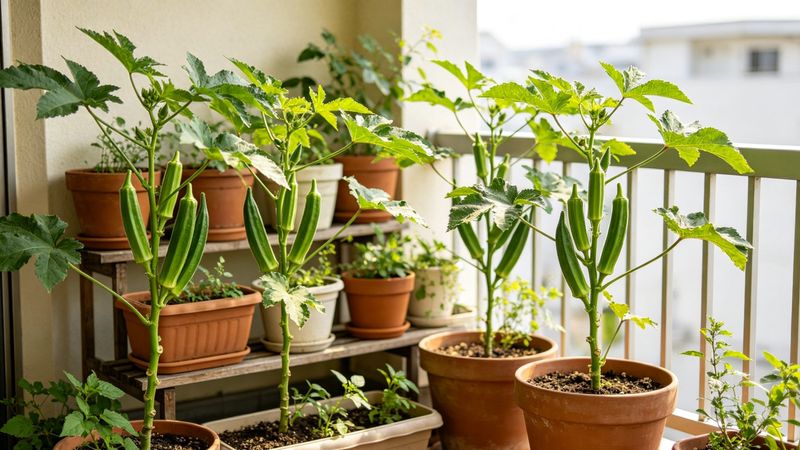
Cabbage is rich in nutrients such as carbohydrates, mineral salt, vitamins, cellulose, which typically include large cabbage, medium-sized cabbage, dollella, cabbage, etc., and are the most important leafy vegetables in the city. Bellow cultivation is simple, production easy to scale, management easy to standardize, and it is high in single production, market demand is high, and producers like it, and consumers like it because of its nutritional richness and variety of food methods. However, the ease with which cabbage can rot in summer seasons, short-lived conservation periods and high rates of depletion affect the economic efficiency of producers. In this context, it is particularly important for beijing city production enterprises, parks, cooperatives and large producers to manage the management of cabbage after the summer season。
Promoting timely harvesting
Scrutinizing cabbage grows fast and does not have a strict harvest period, but beyond the cut-off period, mature cabbage is more susceptible to bacterial diseases, combined with high cabbage moisture levels this season, mature cabbage is less stylish and perishable. When market supplies are insufficient, appropriate early harvests should take place, and early harvests should take place at 90% maturity for the best pick-up of cabbage, medium-sized cabbage and dollbage, over the low harvest impact yield and over the high harvest quality. When the optimal harvest maturity is not available for sale in a timely manner, the pick-up is temporarily held in a freezer for sale. Precautions for pick-up of cabbage in the summer: early harvest at low maturity, but late harvests, high maturity, fissure ball, poor storage, and the vulnerability to bacterial spots and reduced commerciality; timely harvesting and subsequent storage in cold storage when harvest standards are met; collection without open water in order to reduce decomposition during storage; cabbage for rain, which can be collected before rain; avoidance of rain harvesting to reduce the incidence of decomposition; and better product conservation at night or at low temperatures. The requirements for harvest vary between the categories of large and medium-sized cabbage, dolls and cabbage. Producers should take into account factors such as marketing channels, production, prices, etc., and consumer consumption habits, adjust collection standards in a timely manner and collect them in a timely manner。
Focus on the commodity dimension
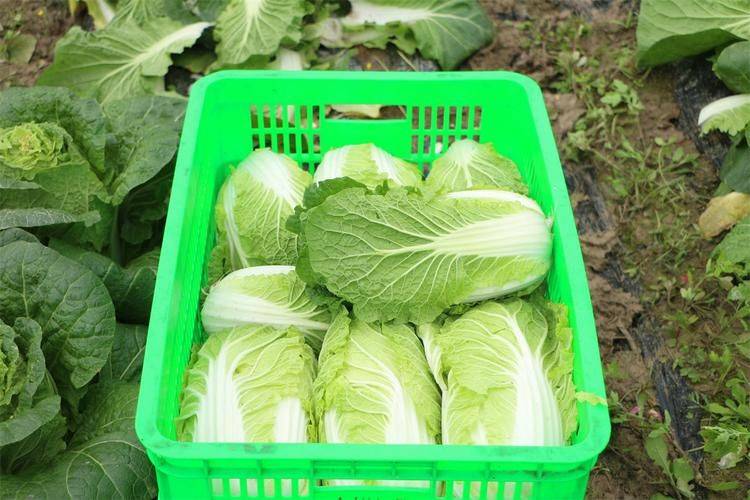
In order to reduce the problem of bad cabbage and burning caused by excessive ambient temperatures in the summer, hot-resistant cabbage varieties should be chosen, which can be planted with small waterwork, etc., to reduce the temperature in small environments, and the watering should take place in the morning or evening. Strong light, high temperature, high humidity and increased probability of pests and pests occurring should be prevented at an early stage to harvest after the pesticide has reached a safe interval and to remove sick leaves and external leaves. Use fertilizers as required to ensure that safety indicators such as nitrite are in line. Medium-sized cabbage, which weighs 750-1 250 grams each, is short-lived, of high quality and good commodity quality, is managed less rapidly than doll food, is more resistant to disease, is of shorter and better quality than large cabbage, is suitable for household consumption, is efficient and stable and is well received by producers, consumers and suitable for sale in medium- and high-end markets. Cold areas such as yenqing have the advantage of producing cabbage in summer. The appropriate varieties and varieties should be selected from the distribution channels, reasonable density and cultivation methods should be determined, the maturity of the harvest should be controlled by pre-harvest control, reasonable timing of harvest and the commercial nature of cabbage should be ensured. In addition to choosing heat-resilient, disease-resistant varieties and sound management of water fertilizers, cabbage should be sensitive to the sun and its quality should be ensured through moderate light. If you cover the sunscreen, you should adjust the duration of the sunscreen cover to take account of weather changes, in principle it should be a sunscreen and a shade; it should be covered during the day and at night. The daily adjustment to changes in light intensity to avoid post-coverage unmanageable conditions can also reduce the problems of long-planting, leaf cedaring, leaf thinning and disease caused by weak light. Medium-sized cabbage commercial requirements: equal size of individuals, small outer layers, tight balls, yellow or light leaves, clean leaves, fresh leaves, green leaves, sufficient water, disease-free, insect-free, heartless, smoky, leaf-free, leaf-free, leaf-free, leaf-free and yellow leaves。
Scientific cold
During the summer pick-up of cabbage, which is warmer and prone to decay during storage, the conditional production base should pre-empt the cabbage, rapidly reduce the temperature of the vegetables, disperse the heat in the field as soon as possible to extend the period of conservation and lay the groundwork for reducing the rate of wear and tear. In the absence of pre-cooling equipment, the products are placed in ventilated and shaded areas, adjusted harvest times, and reduced the temperature of the vegetables as far as possible, including at night. Cabbage is pre-colded mainly by cold storage, low pressure, vacuum etc. Vacuum pre-cool cooling is the fastest, pre-cooling is short and works well; cooling is shorter than cooling in cold storage, but is expensive; cold storage is large in quantities of precooled vegetables, which can be combined with processing and temporary storage, and equipment is used more efficiently but for longer pre-cooling periods. Water loss from cabbage should be avoided during pre-colding。
Application of conservation technology
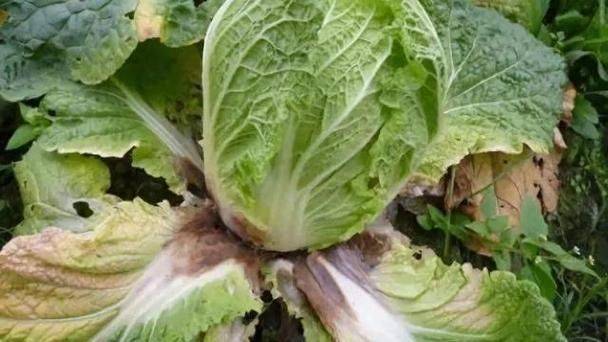
Cabbage is suitable for storage in cold storage at temperatures of 0-2°c and humidity of 95-100%. In summer, large cabbage, medium-sized cabbage, bellows, cabbages have high quantities of water, products are perishable, pests and pests are not suitable for long-term storage, but can be revolving for short periods. The summer cabbage can be used for revolving storage in cold storage, which is not suitable for such things as short storage time and labour, air conditioning, cellars, etc. In the case of cabbage harvested after the rain, which contains a higher amount of water, and which is more perishable for reasons such as the presence of bacteria in the rain, attention should be paid to weather forecasts, which should be collected before the rain, and in the event of continuous rainfall, in cold storage. Cabbage that meets the harvest criteria should also be collected in a timely manner, stored in cold storage and supplied to the market. When cabbage loses water, it is susceptible to atrophy and its quality is reduced. In order to prevent atrophy after water loss, thin membranes can be used to avoid exposure and increase environmental humidity. The high water content of cabbage, combined with the higher temperature of the veggies after harvest, is perishable and can be preserved by pre-cool, cryogenic storage, etc. In addition to the commonly used low-temperature conservation measures, cabbage can also be preserved with a variety of herbicides, but it should be protected by the use of such products as those permitted by national laws and regulations and, in accordance with prescribed concentrations and methods, by means of a ban on such methods as formaldehyde。
Reasonable use of packaging
Appropriate packaging modalities should be selected according to the distribution channels and distribution methods. While cabbage is of a variety, packaging can be based on the use of flavour wrappings, packaging boxes, pallets + packagings, packaging bags, bundles, etc., but packagings or piercing bags, such as pepo films, are good because of their aerobic properties and their humid effects, which reduce the occurrence of decay and decay in the course of the sale, and the best effects of packaging protection. Rational packaging of cabbage should be based on the principle of avoiding fracturing blades and causing mechanical damage, as well as being conducive to wetting and having some ventilation。
Proper storage methods
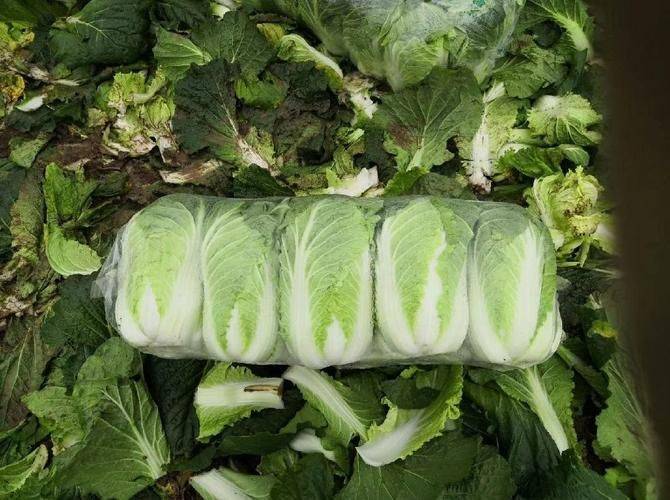
The temperature of the freezer in the home is typically 2-6°c and cabbage is suitable for storage in the home refrigerator. Because of the high water content of the cabbage, during storage, the outer leaves are susceptible to atrophy and the inside of the heart is perishable. They can be packaged with wrapping paper and then packaged with protective membranes or bags, which can maintain moderate internal humidity while reducing decay and decay. ♪ conan goose ♪