


Walking in the mountains of the river, the air is filled with intoxicated pepper gas, which comes from hard-working hands and from the mastery of the techniques of pepper cultivation. Precious peppers, this little spice, not only light up so many delicious foods, but also carry the hope and sweat of countless farmers. However, to turn this small black particle into a happy harvest, it requires hard work and more scientific farming techniques. This paper will take you to the world of pepper growing, from seed selection to the final harvest, and will reveal the secret of pepper production。
I. Excellence-based seed: seeds are the cornerstone of success
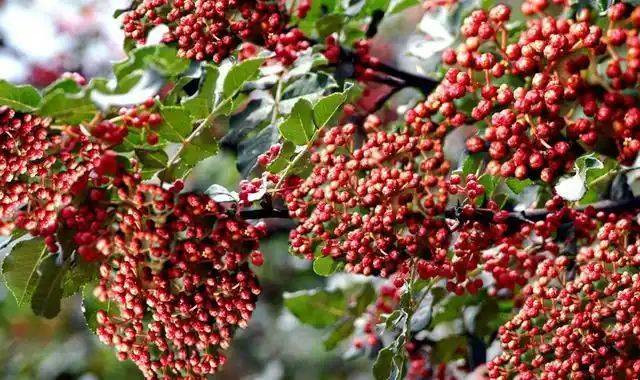
As they say, “good seeding”, the phrase is reflected in the cultivation of peppers. The selection of high-quality seeds is a critical first step towards high yields. Not all pepper seeds are suitable for planting, and we need to be selective。
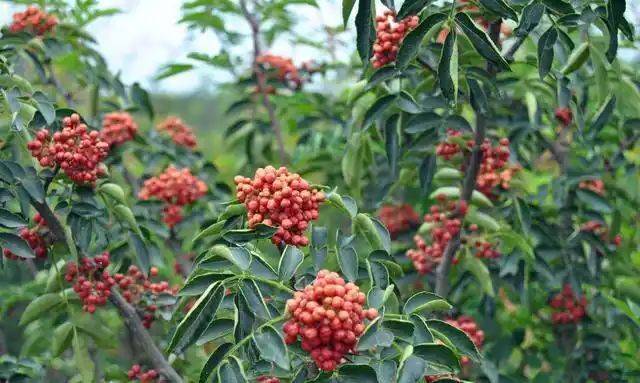
First, the age of the tree is crucial. The ideal tree age for harvesting is between 10 and 15 years and is in the middle of a fertile period, with strong trees with high yield and good quality. These are usually grown in sun-rich, well-drained sunside or sandy soils, an environment that is more conducive to the maturity of the precipitous fruit and to the abundance of seeds。
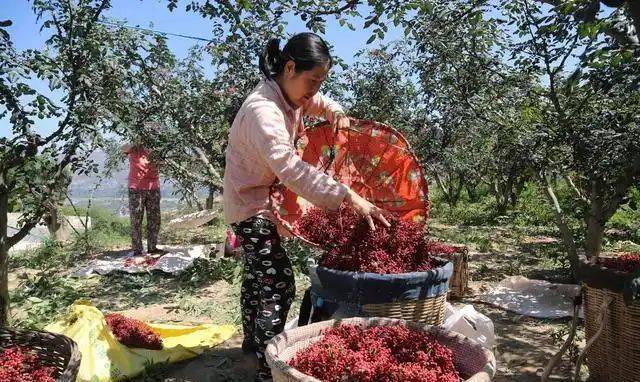
Second, harvest times also affect the quality of seeds. The best harvest time is usually between mid-august and mid-september, when the precipitine is fully mature, with purple skins and seeds black and full and solid. Remember, the time taken for seeding is later than the time taken for the extraction of peppers, which ensures the full maturity of the seeds and increases the growth rate. When harvests take place, they choose the fruits that grow on the branches of the sun, which are usually more nutritious and more full of seeds。
Finally, seed treatment is key to increasing gerontization rates. Seeds collected require cleaning and drying. Cleaning is done in a manner that completely removes fruit and meat residues, while drying is done in such a way as to avoid direct sunlight, to choose where the cool air is dry and to prevent seeds from germinate as a result of high temperature storms. Dry seeds can be stored in sands, cisterns or grass and ashes to ensure their activity。
Ii. Spring hua autumn: techniques for seeding
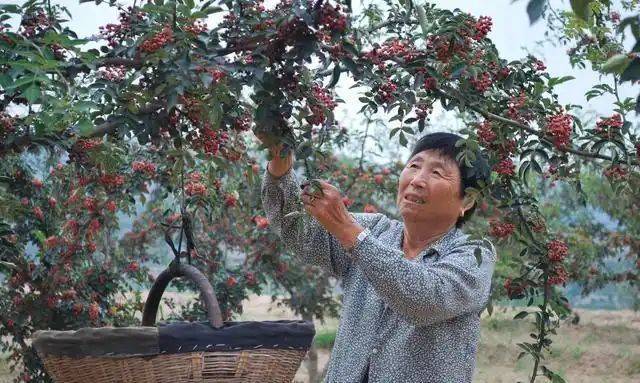
The timing of seeding determines the growth and survival rate of the seedlings. In general, both spring (late march to early april) and autumn (late august to late october) are suitable planting times. In the spring, however, seeding needs to take into account soil temperature, until the soil temperature is stabilized at more than 15°c and heating measures such as membranes are taken. Autumn seeding requires care to prevent high-temperature flashlights and appropriate shades。
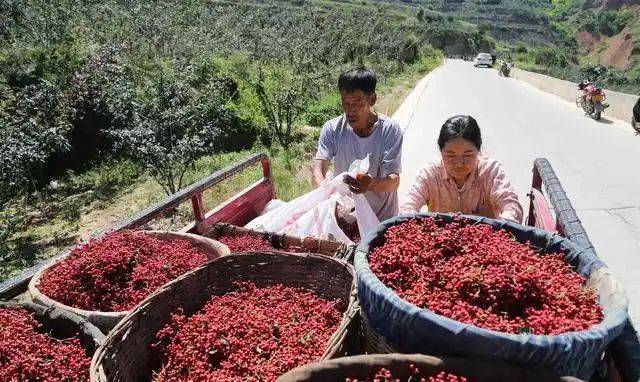
Before seeding, soil preparation is essential. The selection of well-drained, soil-treated, fertile plots with fully decomposed organic fats of 3-5 cubic metres per acre, with adequate phosphorous potassium fertilizer, improved soil structures and adequate nutrients for seedlings. When seeding takes place, it is possible to sow at depths of about 3-4 cm, with a distance of about 10-15 cm and a seeding of about 6-8 kg per acre. After seeding, the soil is covered with light pressure and the soil is kept wet。
Precipice seed skins are hard and slow to germinate, and seedling treatment is recommended in order to increase the rate of germination and seeding alignment. The seeding method is usually to impregnate seeds for 1-2 days with hot water and then wrap them in wet cloths in warm and humid environments, sowing most of the seeds when they are white。
Iii. Precautionary management: care of young children
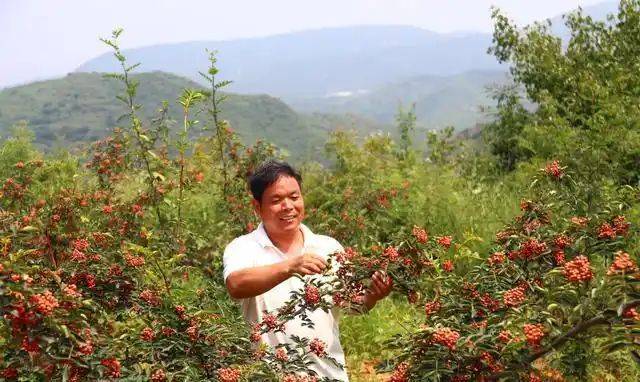
Precipice management is a key element in determining future pepper production and quality. After seedlings are produced, seedlings are carried out in a timely manner to remove seedlings and seedlings and ensure that they have sufficient space and nutrients. The saplings generally take place twice, the first at the height of 3-4 cm and the second at the height of 6-8 cm, with a final distance of 10-15 cm。
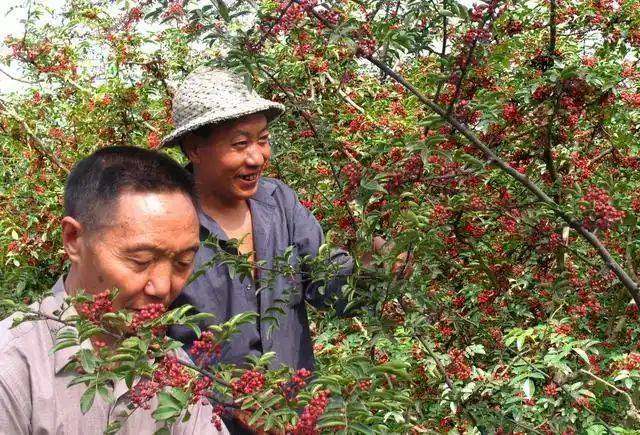
Early seedlings also require timely weeding and pine soil, and soil laxation to support root system growth. If the seedlings are weak, nitrogen fertilizer can be followed, supplemented by potassium phosphorus fertilizer to increase the resistance of the seedlings. At the same time, the prevention and control of pests and diseases should be strengthened to detect and treat them in a timely manner to prevent their spread。
Iv. Flows of leaves: drying and plastic cutting
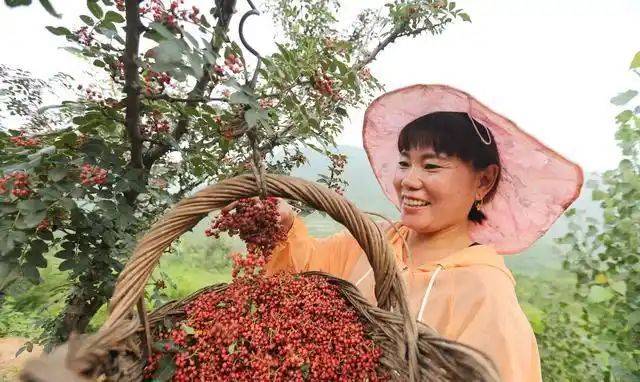
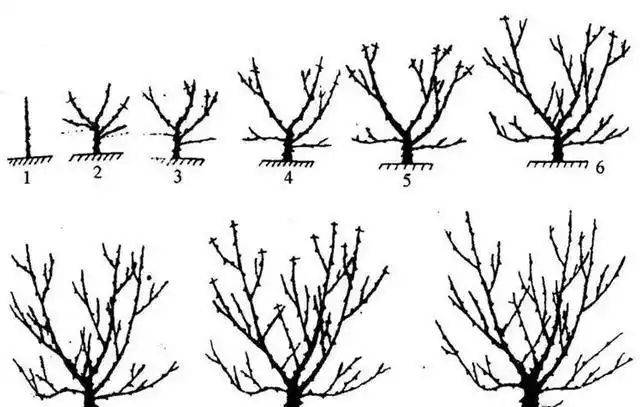
When a precipitine grows to a certain height (usually 70-100 cm), it is required to be dry and to be reformed. Declining heights usually range between 40 and 60 cm, depending on planting density and tree direction. When drying, a strong backbone is selected, flat or tilted at a predetermined altitude, and 3-4 sprouts are kept evenly distributed, as the main branch。
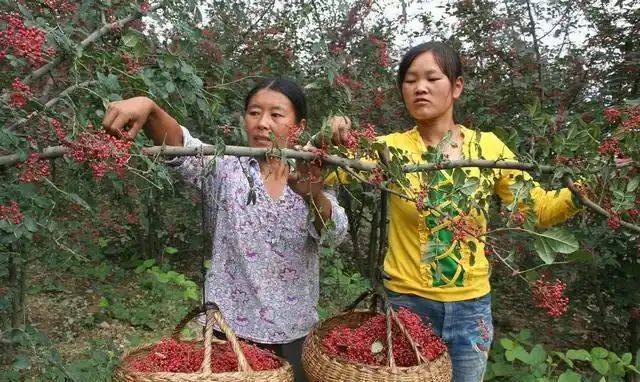
Follow-up trimmings are aimed at developing good tree structures, including, inter alia, branches, short cutters and heart breaks. Leachage is intended to improve ventilation and light by removing the twigs, disease branches and cross-cutting branches. Short cuts are intended to control branch growth, promote branching and increase the number of branches of result. Carcinating is designed to contain the top advantage and promote the growth of the side branches。
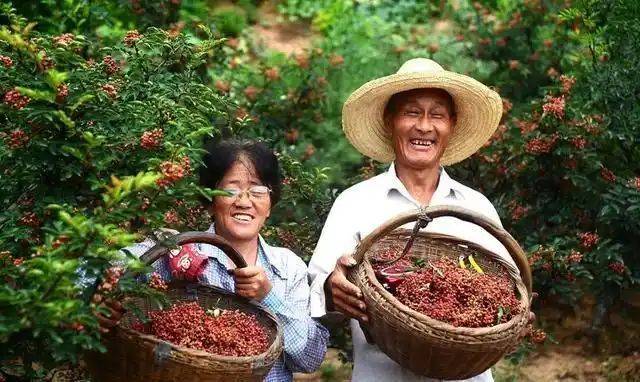
V. Harvest in sight: growth cycles and management points for peppers
The growth cycle of peppers is longer, and it takes several years from seeding to harvest. In general, flowering results begin two to three years after seedlings are planted, and 5 to 6 years enter the ferocious season, with trees of decades old。
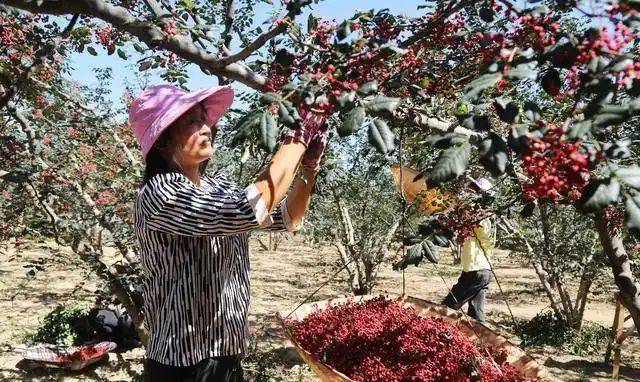
The following management points also need to be noted in the growth of peppers:
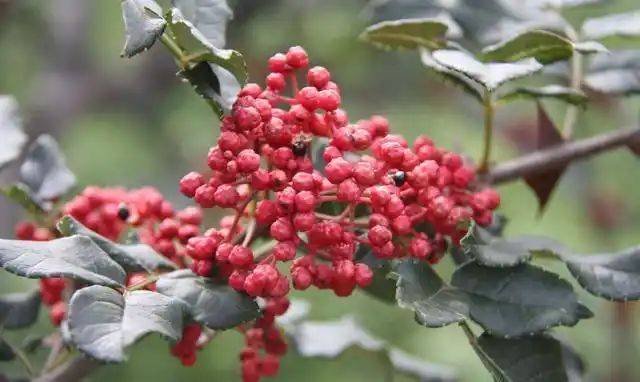
Fertilizer management: peppers are drought-resistant, but flood-resistant. Water should be poured in time during the dry season to keep the soil wet but to avoid water accumulation. Fertilisation is carried out according to the growth phase of the peppers and soil fertility, usually once in the spring and fall, mainly with potassium nitrous phosphorus compound fertilizer。
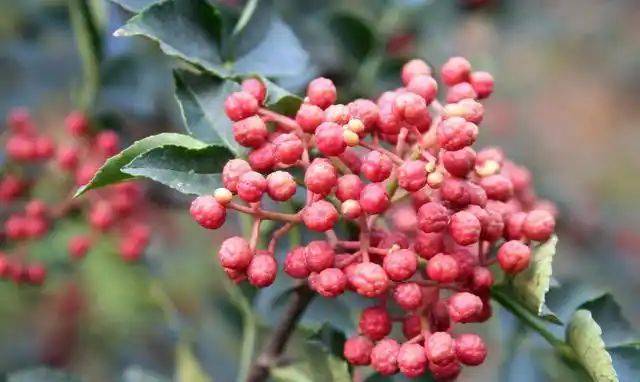
Pest and pest control: the common pests of peppers include anthrax, aphids, etc. Field management needs to be strengthened to remove disease branches in a timely manner and to take appropriate preventive measures。
Concluding remarks:
Plantation is a more technical agricultural activity that requires hard work and careful management by growers. Only scientific planting techniques can provide the joy of a harvest. It is hoped that this paper will provide some reference for the pepper growers and help them to make their way to the productive path, so that the peppers will shine and shine。



