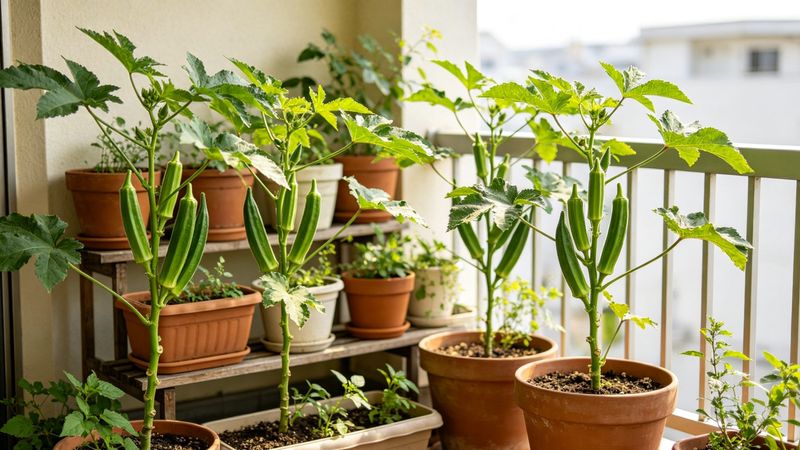
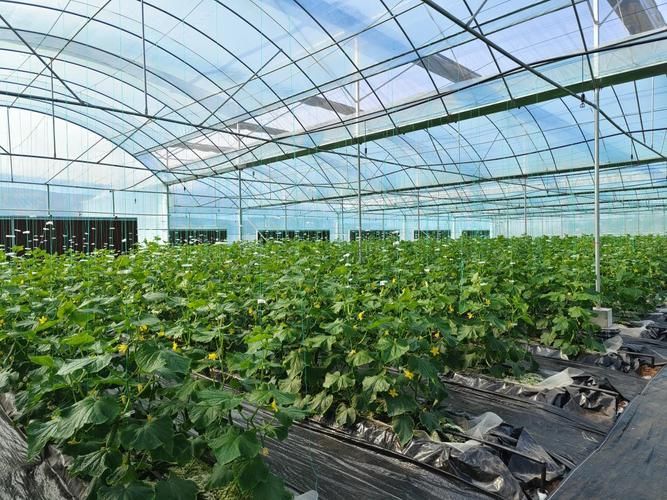
Fruit-type cucumbers are small, cucumbers are glitter-free, their skins are smooth, their mouths are soft, their flavors are plentiful, and they are very good in commercial terms. Fruit-type cucumbers, mainly for protected land cultivation, are suitable for heating rooms in autumn and winter, winter and spring sheds as special vegetables for new year's day, spring festival and the “five ones” market. The author uses the energy-efficient winter greenhouses for winterization, which are operated in accordance with organic vegetable production protocols, yielding more than 75,000 kg per hectare and of a quality that meets the aa standard for green vegetables. Plantation techniques are briefly described below。
Room 1
1. 1 the structure of the sheds consists of a luminous energy-efficient winter-heating shed, a brick and concrete structure, a mid-spaced wall of 80 to 100 cm wide, constructed from the rear wall and a wall with excellent aerobics, filled with pearl rock, 60-80 m long east-west, 8-11 m north-south and 3. 7-4. 2 m top. The sheds are open and large, thus facilitating ventilation and operation management。
1. 2 the facility is equipped to cover a 30-point insecticide-proof network at the vent and entrance to the shed in order to prevent the transmission of pests, while a 40cm x 25cm cedar or blue board of worms is mounted indoors with 300 pieces per hectare to trap pests such as white-coloured lice and aphids; 60 per cent light-coverage of sunnets is prepared to reduce the temperature and light intensity of the greenhouse at high temperatures; water tanks are constructed and drip irrigation systems are installed。
1. 3 sterilization of sheds before seeding or planting, deep up the land, high-temperature tans; spraying of the ground, walls and plastic membranes with 500 times the acid of vinegar; or fumigation of 30 kg of sulphur powder per hectare。
2. Varieties selection
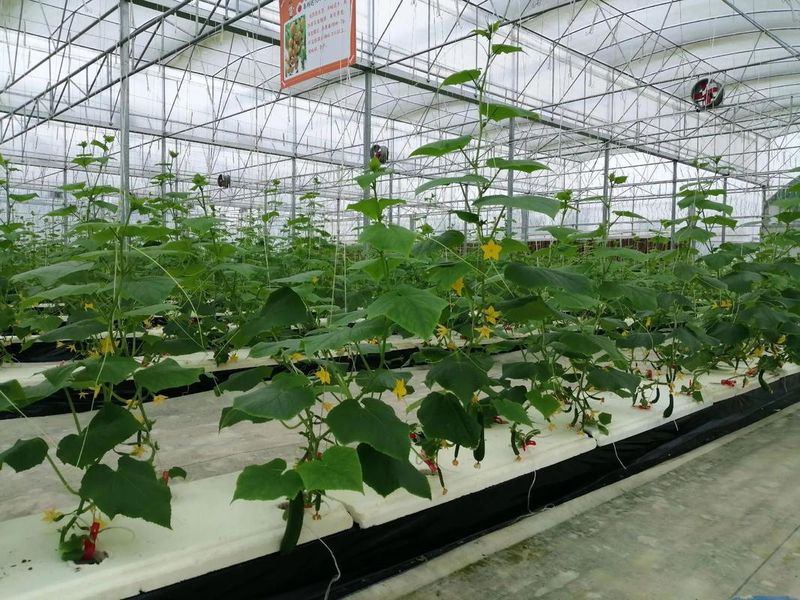
The selection of highly resistant, of good quality, of good commodities and of high productivity varieties is mainly based on the “sana” and “ha454” varieties produced by israel's hyzera company。
3. Cultivation of seedlings
3. 1 cucumbers of fruit by winter are grown from mid-september to early october and are grown by marriage and made from blackseed pumpkins. During the breeding period, the black seed pumpkin is transmitted 7-10d later than the cucumber and 3-4d earlier than the cucumber。
3. 2 standards for saplings 4-5 leafs, 1o-15 cm tall, green blades deep, thick rods strong, roots strong and white, disease-free and 30 d of age。
Seed treatment the fruit cucumber seeds are more expensive and the producers have strictly disinfected the wraps so that they can be broadcast live without immersion and before planting. Pumpkin seeds must be soaked into hot water of 70-80 °c, concussed to reduce the water temperature to 30 °c, scrubbed away the glue from the skin, immersed in 10-12 h of 30 °c warm water, leached with clean water, sprung at 25-30 °c and fertilized by 1-2d。
3. 4 seeding and pre-nuptial management. Pumpkin seeds are planted in nutrients and cucumber seeds are planted in seedlings or bed beds, and when cucumber seeds are planted in seedlings or beds. Covered with a membrane cover, an arch shed, the temperature of the seedling bed is 25-30°c during the day, 16-20°c at night, and 20-25°c at night; when the seedling is released, the membrane of the bed is removed, 25-28°c during the day and 15-18°c at night. Particular attention was paid to the need to cover up the sunnet at high noon temperatures in order to avoid high temperatures of burning seedlings。
3. 5 marriage must take place inside the shed, with small arch sheds on the bed. 70 per cent of alcohol is used to disinfect hand and bamboo and blades before marriage. In order to ensure the survival of the seedlings, the main method of marriage is by-catch. When the first leaf of the cucumber begins to spread, the pumpkin leaves are fully developed for marriage. Pumpkin and cucumber seedlings are carefully excavated from the plate (bed), starting with the growth point of the two leaf questions that cut off the pumpkin with a blade, with an angle of 35-40° below the leaf and vertically in the direction of the leaf, to the depth of the embryo's axis of 2/3. The cut is about 1 cm in length. At 1 cm below the leaf of the cucumber, a knife is slashed upwards by 25-30° and cuts to about 1 cm deep in the axis of the embryo, and the cut is about 1 cm in length; and the cut of the cucumber and the pumpkin is inserted precisely and quickly, with a leash. The attitude after the marriage is that the pumpkin leaves hold the cucumber leaves, and the two intersect. When you get married, you are fed into a nutrition disorder. 3. 6 post-nuptial management after marriage, 3d internal seed beds are unventilated, their temperature is 25-28°c during the day and 18-20°c at night, and the relative humidity of the air is 90-95%. After 3d, with a small air outage of a short duration, depending on the blight, gradually increase the air outage, and after a week the interface heals, the grass can gradually be removed and the wind will begin to be magnified. Bed temperature is 22-26°c during the day and 13-16°c during the night, during which time water is poured 1-2 times, with pumpkin roots cut before planting。
3. 7 pneumococytry control sprays or seed beds, such as 15% pyrochlor, 500 times liquid, 20% methyl parathion emulsion 1,200 times liquid, 72. 2% plick water 600 times fluid, can be used to combat diseases such as fallout, stand-in diseases, etc。
4 plantation
4. 1 preparation for pre-plantation of pre-plant 15-20d chicken dung, 75-90 m3 per hectare, corroded corrodants, 150-2250 women, ammonium phosphate 600kg, deep-slided land, made of 40 cm wide, dysentery 40 cm wide, 10 cm high, flat, drip-stamped and covered with black membranes。
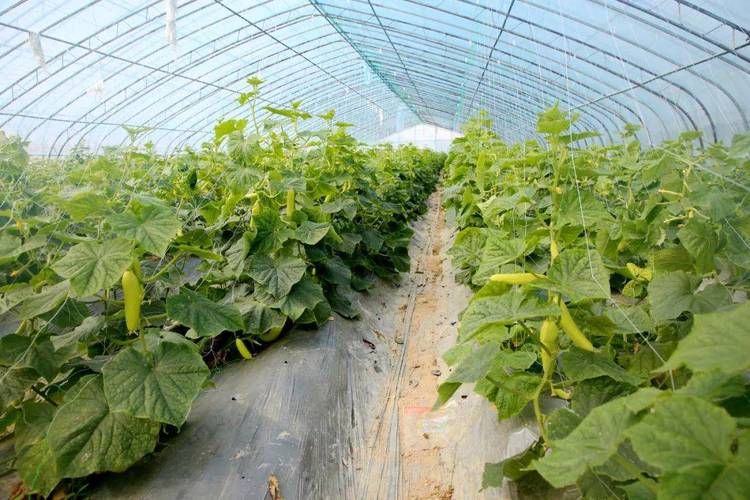
4. 2 the choice is to plant it in the morning of the sun, place it on the roof with a moisturizer, and put cucumber seedlings together into the den, fill them with soil and water. At a distance of 35 cm or so, it can plant about 375,000 plants per hectare。
5 post-plant management
5. 1 pre-winter and winter management
5. 1. 1 temperature management. The temperature of the room is maintained at 28-30°c during the day and at 15-20°c during the night, and in the event of a warm weather, the sunnet may be used for appropriate shade at noon. The seedlings are slow until the melons are pre-empted and water is controlled, mainly by planting plants. Promote root control. Room temperature is 25-28°c during the day, 12-15°c during the night and not more than 30°c around noon, with increased ventilation and humidity, which can be kept on roofs at night. Entering the condensation period with temperature management, indoor temperatures are controlled at 25-30°c per day and are ventilated at more than 28°c; 13:17:00 20-25°c, 17:00-00:0015-20°c; 00:00-8:0015-12°c, high temperatures are controlled at late winter festivals (i. E. Late december-mid-february) and high-temperature melons are ventilated at more than 30°c。