


In the huts of the old squawk in shandong, two squawks of watermelon have been set up, one of which is strong and the other one is yellow. What's the difference? The old saying is, "the seven days i spent more than three distractions, two months less mind!"
After the watermelon was planted, many people thought they could relax. I don't know, it's just a "move home" and a "baby home." the quality of the management of slow-growing seedlings is a direct decision on whether the watermelon will live well, grow fast, and in the morning。
The fast-growing seedlings, with their well-developed roots and thick roots, provide a solid basis for the subsequent high yield; the slow-growing seedlings, with their small sizes remaining flat and the heavy ones dying. This is a detailed account of the three key management techniques that have been designed to slow down the planting of watermelons and teach you the first battle of harvest。
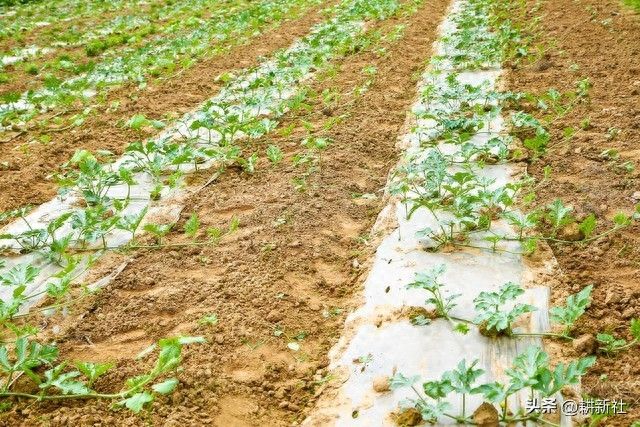
01 temperature management: “lifeline” for slow-growing periods
Watermelon is a hot crop and slow-growing periods are extremely sensitive to temperature. Temperature management is good, with fresh roots growing for 3 to 5 days; poorly managed, 10 and a half days will not slow down。
1-3 days after planting: high temperature, high humidity and root causes
These three days are a crucial period for the restoration of growth, with closed huts without ventilation and all efforts to keep warm and humid. The temperature of the shed is maintained at 28-32°c during the day and not less than 15°c at night. In the event of winter, small arch sheds or two curtains will need to be added to the shed to ensure that nighttime temperatures are met。
The shantytown is maintained at 80-90 per cent humidity and the soil is humid but not visible. “stand root water” can be poured immediately after planting, with a smaller amount of water appropriate for wet rooting the surrounding soil。
4-7 days after planting: gradual ventilation
Three days later, the seedlings began to grow new roots, allowing for a small amount of ventilation at noon in the middle of the day, reducing the humidity in the shed. The temperature is controlled at 25-28°c during the day and 13-15°c during the night. The vents need to be small to large and step by step to avoid "smoke"。
Watch out for cryogenic hazards
In case of chronic cold periods, the growth of seedlings is hampered, and there is a phenomenon of yellowing of leaves and stagnant growth. In this case, the temperature can be increased by the laying of a straw in a ditch or by the covering of a membrane, or by the application of amino acid-based foliage on the side of the leaf to increase the resistance to cold。
02 hydrological management: managing the “dry and wet balance” of fire
Water management during slow seeding periods, with the core being soil moist and promotion of root sequestering while avoiding excessive moisture leading to rotting roots。
Water fixation: no flooding
The “fixed root water”, which is poured on the day, is to be poured in such a way that the roots are in full contact with the soil, but it is not allowed to overflow. Vaccination or drip irrigation is recommended at 3-5 cubic metres per acre. When the water is poured, it is promptly inspected and the water dump is immediately discharged。
Sapling water: dry and wet
After planting, three to five days, a morning “smooth seed water” will be poured on the selected day, with a smaller amount of water than the fixed water, two to three cubic metres per acre. When water is watered and the surface is whitened, it is cut off and the soil is more ventilated。
You know how to judge when you water
Early observation of the edges of the guacamole leaves in the morning means that the water is abundant if the lobes are sprouted, and if the foliage is aging and the leaves are dark, it means that water is not available and must be filled in time. The mild atrophy of the leaves during the high temperatures at noon is normal and can be recovered at nightfall。
"hand over water."
Some of the guaranes have managed to save themselves by planting them and pouring them into water, resulting in a lack of oxygen and causing the death of the dead. Water is used “a small number of times”, rather than wet。
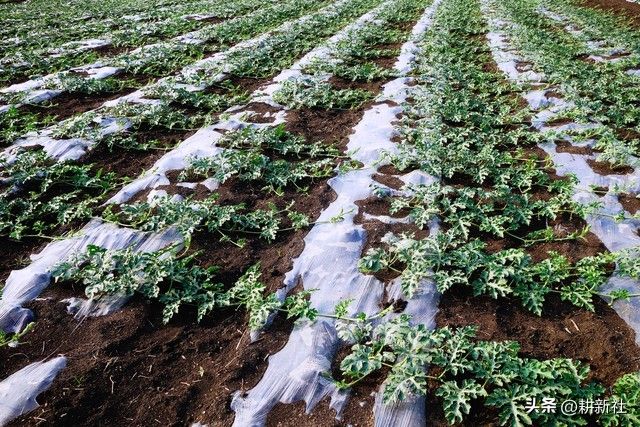
03 cultivated pine soil: neglected “increased underproduction”
Cultivated pine land is one of the management measures that is most easily neglected but critical to slow-down periods. It's a one-time liner。
First rowing: 3-4 days after planting
When the local table is dry and cracked, the first substrate is carried out. At depths of 2-3 cm, the topsoil is pineed, the sheeting layer is broken, the soil is improved in aerobics and the temperature rises. It operates close to the root and deep between the lines, avoiding injury to fresh roots。
Second crotching: 5-7 days after slow seeding
The second depth is 5-6 cm depth when the water is dried. The purpose of this troupe is to lead the roots down deep and to form strong roots. This is done in conjunction with the removal of weeds and the cultivation of fine earth into the roots of the melon, which will protect the roots。
The benefits of farming are not just loose land
Tilts can cut the soil catheters, reduce water evaporation and act as a shield; they can also increase soil permeability and promote root breath and nutrient absorption. The experienced squawk said, "though the head over the water, the pine tops."
04 common problems and remedies
The poor management of the stagnating period is prone to several problems, which are identified for prompt remediation。
Weakling
After planting, there is strong light and the water supply of the seedlings is inadequate. It can be covered with sunnets for 2-3 hours around noon, or it can be sprayed with cooling temperatures. Low seedlings with a continuous atrophy of more than three days can be sprayed with thaline + potassium phosphate to facilitate recovery。
It's rigid
This is reflected in the lack of growth points, small leaves, dark colors and few new roots. This is mainly due to low temperatures, soil sheeting or poor fertilization. New roots can be promoted through deep-drying of pine soil, increased application of manures of corrosive acid, and leaf spraying of growth regulators。
Dead meat
Most of the deaths occur as a result of illness or inappropriate watering. The dead seedlings were found to be uprooted immediately and to be sterilized from the stables. The shortage of seedlings provides timely replanting of seedlings of the same age to ensure the availability of whole seedlings。
05 "three signs" for the success of the slow seedlings
How do you judge the end of the scalding period and the entry of the sapling into normal growth? Look at these three signs:
1. New roots: the ground is torn apart and white roots can be seen to begin stretching around。
2. A long heart leaf: the growth point begins to stretch, the new leaf is green and there are clear signs of growth。
3. Leaf rises: morning and evening blades rise up and spread up, a mild atrophy at high noon temperatures but recover at night。
The achievement of these three markers indicates that the seedlings have been successfully “settled” and can be transferred to the cranium stretch management。
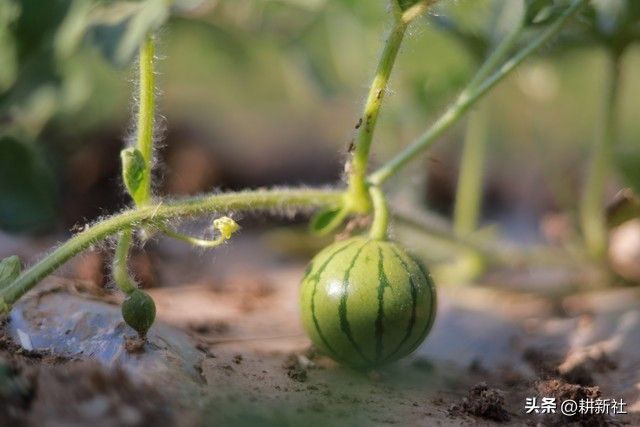
A guangnon in henan, who is deeply involved in the management of the sapling season, has a new root which breaks out on the fifth day of planting. Seven days later, he starts throwing chickens, 10 days ahead of the surrounding farmers and 2,000 more for each acre. Through precision management, hebei growers have established a solid basis for subsequent high yields by slowing down the growth rate of over 98 per cent。
It's..
The core of slow-moisture management:
(b) three days of unventilated and humid protection
Water is wet and dry, so no heavy water hurts the roots
Two rowings are to be put in place, and the pine earth is torn down
Weaknesses save us in time to see the new roots seven days later。
Remember these three key, seven-words, and you'll be guaranteed post-plant management. It's so big and productive



