


Many grow beans and spend every year on seeds. Some people feel that their seeds are not working, and that yields are going to be low. In practice, soybeans can grow on their own as long as they are properly operated and buy them every year。
Do you want to buy seeds for beans? There are two types of bean horns on the market, one conventional and the other hybrid. Conventional varieties can be kept on their own and can be maintained for many years. The packing of hybrid varieties would indicate that they were not suitable for seeding, which would result in different plant sizes and smaller numbers of composts. Before you keep it, you have to make sure that you grow it。
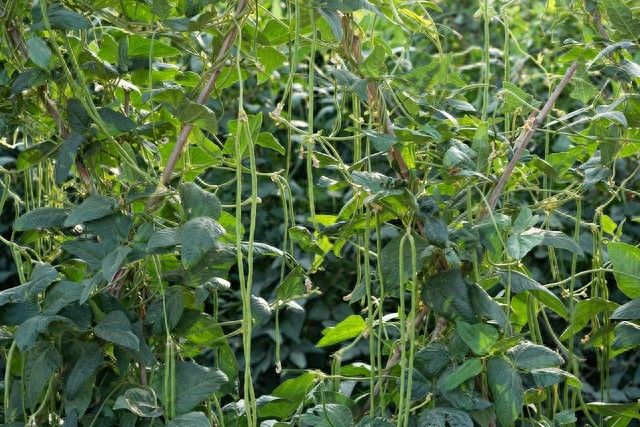
The first step is to select a plant from the seed of the bean. During the soybeans season, no pests or pests are found in the fields, leaves are normal, and there are large numbers of falcons are marked, which are suitable for seeding. We can't choose the seeds that are weak, yellow and small。
Step two, pick the beans. On the marked plant, the bean is selected to grow in the middle of the plant, with a high level of abundance and maturity of seed grains. Do not choose the top and bottom of the bean, nor the deforming, unfilled bean bean。
The third step is to mature the seeds. The bean is chosen not to be picked, but to remain on the plant, so that it may grow naturally until its skin turns yellow, dry, wrinkles, and then its whole roots are removed. Take it off and put it in a ventilated place, keep drying it, and don't just tan。
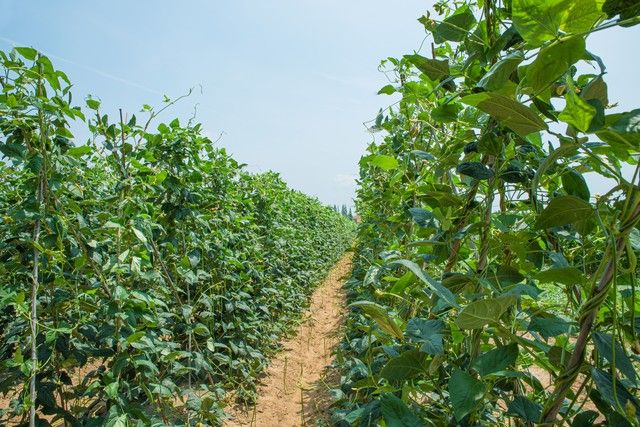
Step four to seed and save. When the bean is completely dried, the hand is removed and the seed is removed. Spread the seeds and dry them in the cool air. When dryed, they are packed in clean plastic bags or glass bottles, sealed and stored in cold, dry and wet places, which can be used directly in the following year。
The following management is required to keep the bean horns much closer together. First, seeding time is determined and field planting is planted at temperatures above 15 degrees. Before seeding, the soil is flattened, decomposed farmers are fed to base and the fertilizer is evenly mixed with the soil。
Control density at seeding, with two to three seeds per den, and reasonable distance between the cave and the den, so as not to be too dense. Keep strong seedlings and pull them out. When the bean is about 30 centimetres long, the leg grows along the shelf, not on the ground。
The soil is wet for long periods of time, without drought or water, and when it is watered, it is watered on the roots and not on leaves. When the vines are crawling, they take their hearts out, remove the top growth point and promote the growth of the side branches. Quantified fertilizer is not used for a few periods of maturation, mainly for manure。
Three things need to be noted when growing beans. Fields grow only one bean horn and do not mix with other species to avoid the impact of bouquets on the purity of seeds. Each year, the seed quality is maintained by re-selecting the seed. If, after three consecutive years of planting, plants are found to vary in size and to be reduced, new conventional seeds are replaced and replanted。
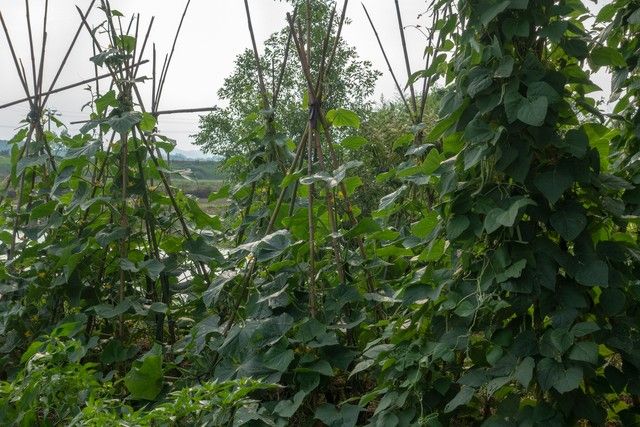
In summary, regular bean bean beans can be grown on their own and buy seeds every year. Replanting according to the steps of selection, selection, drying, sealing, seeding, build-up, water fattening, and eccentric management, lower costs of bean-fruit cultivation and stable production



