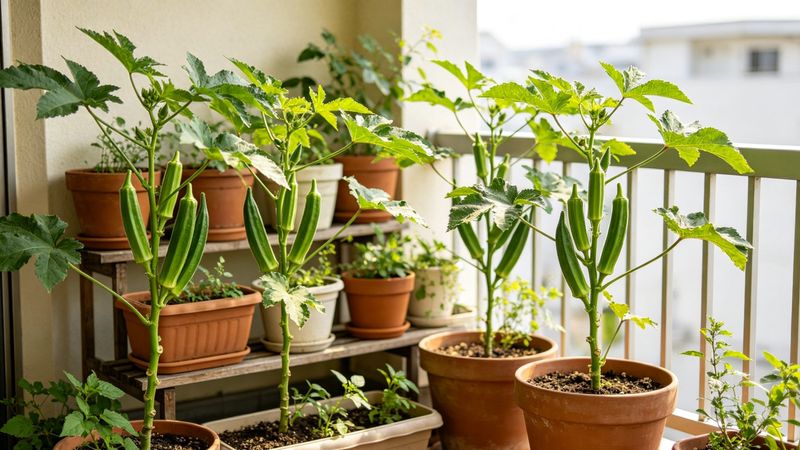
I. Biological characteristics
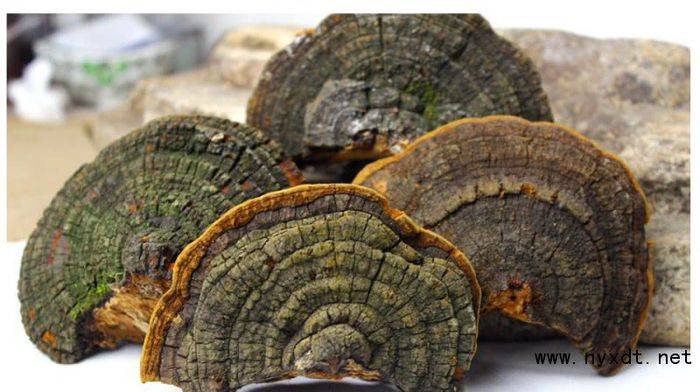
San yellow is also known as pyrocococcus, sanir, etc. Born on trees such as yang, willow, zeng, zeng, pine, etc., are widely distributed. The san yelp is a multi-year, hard-wood, unwieldy, side-born entity. Hemispheric, horse-footed or irregular, 3-21 cm long, 2-12 cm short and 1. 5-10 cm thick. It's yellow and it's yellow on the bottom. Bacillus omelet or light coffee, wood. The colour of yellow is a major feature. The country's wild areas are located between the ursuri river and lake hengkai in eastern heilongjiang province, and small production in the sunsai-gansu nature reserve in the north-west, the long white mountain forest in the north-east, harbin and jilin。
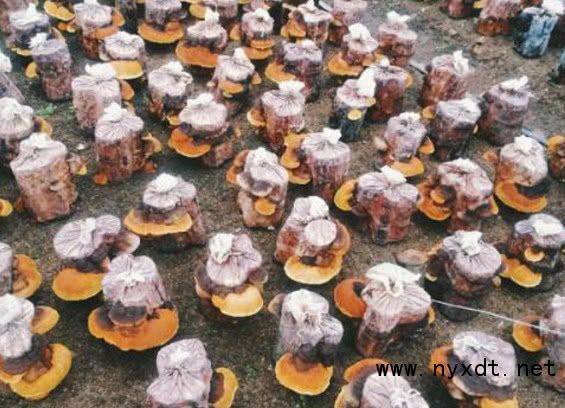
Ii. Construction of saloon sheds
Cultivation patterns, with indoor layers, and the construction of reasonable sanctuaries are important conditions for high productivity. On the basis of the biological properties of the somber, it is chosen to keep the floor clean and the walls bright and damp in order to keep the walls clean. The size of the sanctuaries depends on the size of the culture, and the sanctuaries are the most suitable place to be built with the shade of trees and near water sources. Strict disinfection of culture material before entering the shed, 5 ml of formaldehyde and potassium per cubic metre of space 10 g sealed fumigation 24 hours later. The north-east, yellow and yellow regions grow using natural temperatures, with the best spring seeds from april to may and summer crops from september to october。
Iii. Production of planting materials
In the preparation of the plant, cotton seed casings, wood crumbs, gills and plaster powders are evenly mixed, and the materials contain 60 to 65 per cent water, so that they can be sequestered with their hands. When the material is mixed, the bag can be packed. The plastic bag specification is based on 15 cm x 35 cm or 17 cm x 33 cm polypropylene or polyethylene drum bags, with 400 - 450 g per bag, 10 - 12 hours for the polyethylene bag, 2 hours for the polypropylene plastic bag, and up to 30 °c for vaccination in sterile rooms. A bottle of culpable vaccinators 25-35 bags. Vaccination bags are moved into a sterile culture room with layers of emissions, usually six to eight floors high, with walkways left between platoons, one up and down once a week, so that temperature can be balanced, the other way to increase oxygen in the bag and the fungus can be produced faster。
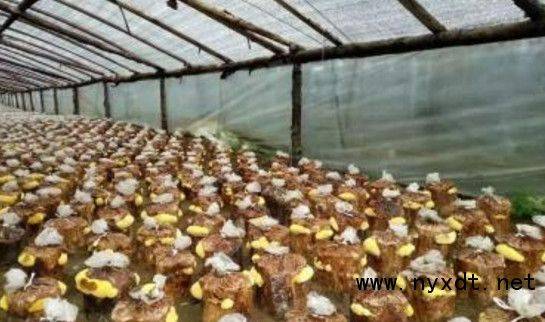
Management techniques
San yellow is a fungus of the hectic type that requires higher temperatures during growth and development. Mycelium growth temperatures are best at 24-28°c, and sub-entity growth is best between 18-26°c。
1. Bacillus stages: during the fungi period, the culture room is kept at 22-28°c, air is required at 50-60% relative humidity, air is ventilated for half an hour every day, flipping on and down every 5-7 days, and when the fungus reaches 2/3 days, it is moved into the culture shed, untying the bag, making a small handtip and leaving a little gap. The sheds are suitable for dispersing light so as to avoid flashing. Usually after 25 to 32 days, mycelium can be filled with bags. Individual bags of fungus are not well developed and can be singled out。
2. Yellow management: when mycelium is full, a blade can be used to cut both ends into a circle of five cents of coin in order to extract yellow. The temperature of the yellow-time shed is maintained at 18 to 26°c, and the relative humidity of the air is increased to 90 to 95%, with dispersed light and sufficient oxygen. The ground is maintained with a shallow layer of water and water is sprayed three to four times a day around the wall and in space. Every day, before 8 a. M. And after 4 p. M., the doors and vents are opened for air and, at low temperatures, between 12 noon and 2 p. M. The primary expansion is 3 to 5 days, and the fungus is gradually formed, so that the spray is increased and the temperature is too high. Poor ventilation is prone to malformations, which must be cut off in time. When the color of the lid changes from white to light yellow to yellow brown, the white on the edge of the lid basically disappears, the edge turns yellow, the lid begins to thaw, and the back is ejected with a taneous mist spores, indicating that the twilight entity is mature and can be collected in a timely manner (generally 50 days between the cut and the harvest)。
3. Post-harvest and post-harvest management: a week before the saloon harvest, water sprays were stopped, ventilation vents were closed and plastic sheeting was placed on the surface of the tunnel in order to collect distributed spam powder. • cutting off from the base of the handle with scissors or light lifting with hand, drying or drying with conditions of up to 12 per cent of the water content, and placing bags in dry rooms for preservation or sale. After the harvest, the old fungus skins from the mouth of the material bag were removed, the culture bag was re-ejected into the shed, increasing its humidity to 90-95 per cent, and the temperature remained at around 25°c, after a week, and it could continue to grow on the original bacterium. According to the previous phase of management, approximately 25 to 30 days is the second time, and generally 3 to 4 times. More than 3 kg of dry and yellow products per 100 kg dry。