Reporter for the press
On the afternoon of 19 june, the fourth people's hospital in makoto city held a hospital awareness training session in a conference room on the ninth floor, attended by new recruits, interns and selected on-duty nurses. The training session was given by the director of the infection control section of the institute, kim hwan。
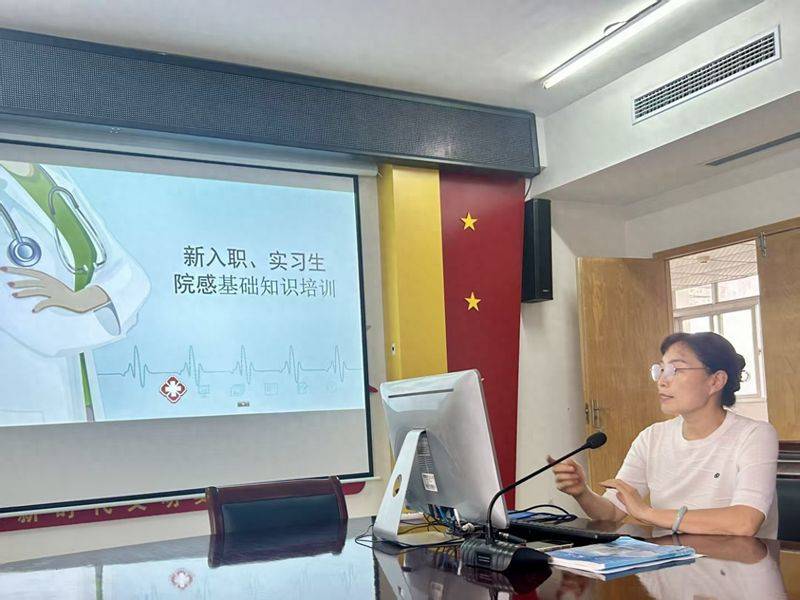
He warmly welcomed you to the large family of the city's fourth people's hospital, and said that the training was not only the starting point, but also the key to the safety of patients, medical personnel and hospitals. It then focused on the daily work of the hospital, from what the hospital infection is, how well the hospital infection management is connected to how to avoid it, focusing on a series of detailed lectures on the institutional awareness that must be known before entering the hospital's work, such as standard prevention and occupational protection, hand hygiene, occupational exposure and prevention, and disposal of medical waste。
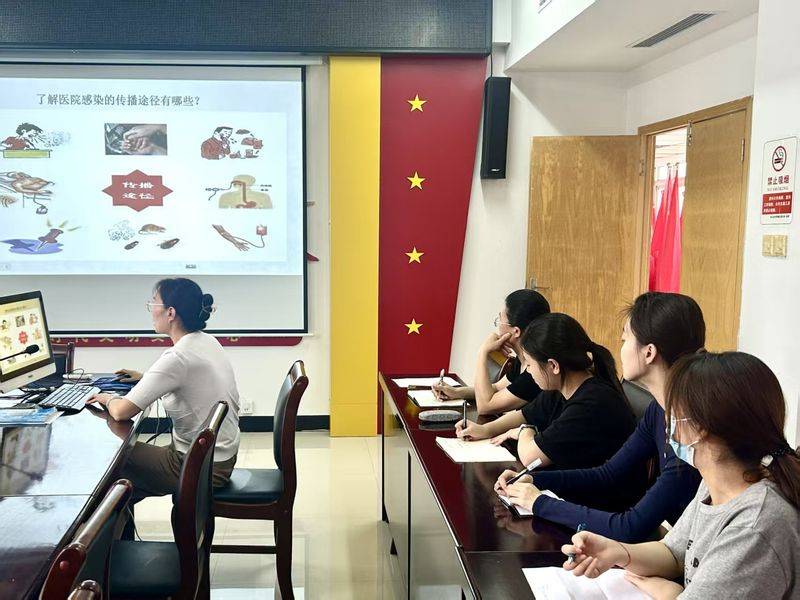
The training focused on the importance of institutional control. Hospitals are heavily patient-intensive and the hospital environment is most vulnerable to the contamination of pathogen microorganisms, and day-to-day institutionalization is the basis for reducing the incidence of infection in hospitals, ensuring medical safety and improving the quality of care. Therefore, the importance of institutional awareness work cannot be ignored, as it relates to the safety of patients, the health of medical personnel and the quality of care。
Through this training, the fourth people's hospital of the city has further strengthened the “hospital awareness” of responsibility and laid a solid foundation for improving the quality of services. As a next step, the fourth people's hospital of the city will continue to strengthen the management of the hospital's senses, ensure that all preventive and control measures are put in place and that every effort is made to secure and secure medical services and to provide safer, more reassuring and better quality medical services to the general population of the district。