


Cultivation is one of the main traditional industries in many mountain villages. However, the relatively complex environment in which most of the mountain areas are mountainous and hilly, as well as plains and lowlands, is characterized by the overall inefficiency of farming households in relation to the growing areas of the pure plains, which in part constrains the development of the rural sedan industry in the mountain areas. Let's talk about today. What are the problems with the mountain tree cultivation? (c) how to improve the technology for the management of san tree cultivation in mountain areas in order to achieve the optimal adjustment and upgrading of the sauna industry to serve farmers ' increased production。
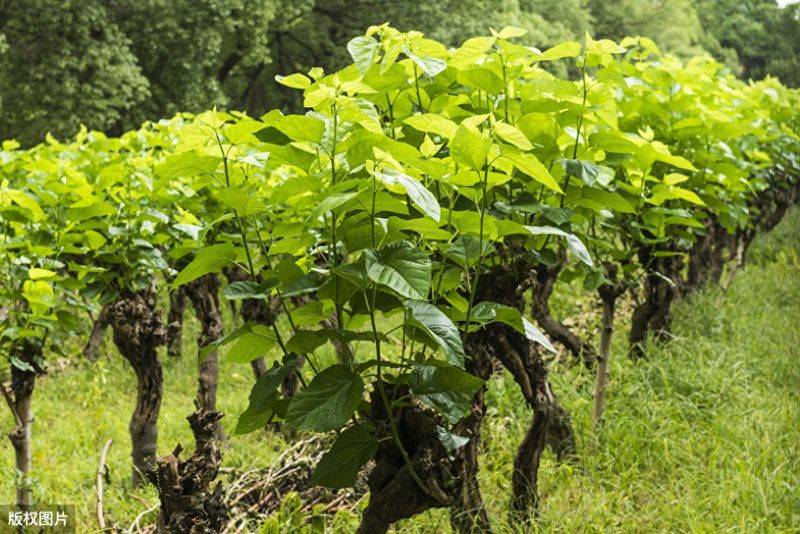
I. What are the current problems with the cultivation of sanctuaries in mountain regions
There are more common problems in terms of the more traditional and backward manner in which sanctuaries are grown, the more complex terrain, the less accessible traffic and less communication with the outside world, and therefore the difficulty of taking advantage of their cultivation. Specifically, it includes the following aspects。
1. The diversity of sank species
It is an indisputable fact that the sanctuaries that were planted in the countryside in the past are no longer able to meet the current planting requirements. However, in most of the mountainous regions, many farm families still have trees planted 30 years ago, without any active renewal. With the increase in the scale of rural sanctuary cultivation, different varieties have been planted at different stages, and some farmers have not chosen the species of sanctuaries in the process of planting, and have planted sanctuaries suitable for flat planting into the mountains and slopes, which has resulted in a variety of sanctuaries, resulting in a decline in the production of acres and no means of increasing the production of san leaves in general。
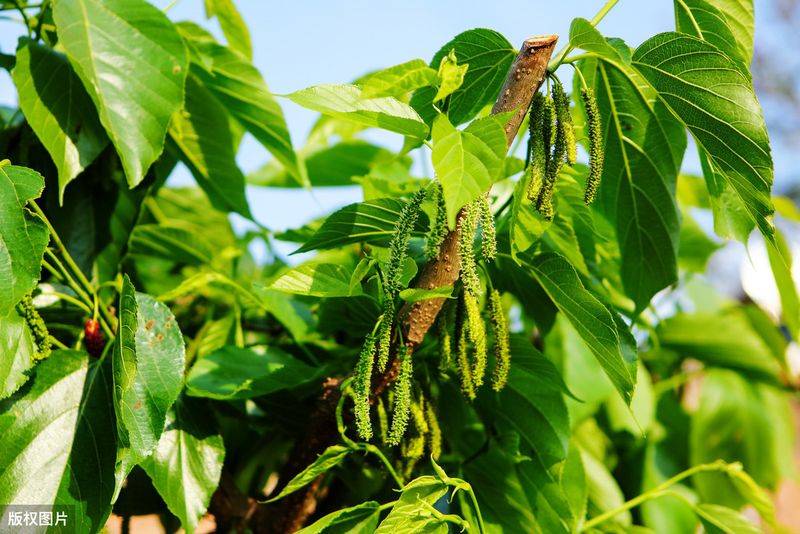
2. Decentralized family cultivation
While the use of family decentralization in the past has indeed increased the motivation of farmers to grow land, with the development of modern societies and rural advances, the fragmented smallholder business model has been unable to meet and adapt to the current demand for sanctuaries. For modern san tree cultivation involves the integration of resources, the enhancement of capacity for integrated utilization, the addition of industrial value to san tree cultivation, and the formation of an ecological green development chain. However, the poor economic efficiency of traditionally dispersed smallholder farming and the lack of efficient use and integration of resources have become major obstacles to the restructuring of the rural sank industry。
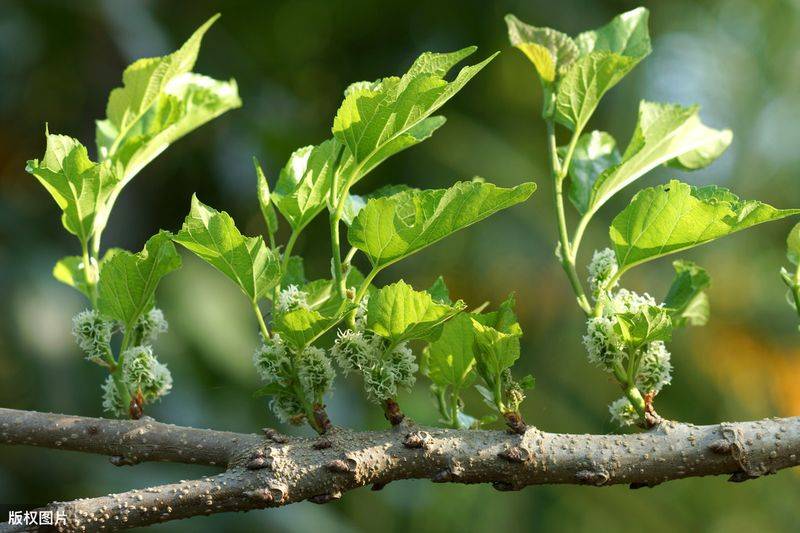
3. Labour shortage
Most of the mountain areas are traditional agricultural areas, and in the past farmers used to rely mainly on growing crops to support themselves, with few people out to work. However, the situation is now completely reversed, as most of the young labour force has gone out to work and only some of the elderly, children and women remain at home. However, there is a greater demand for labour in the process of planting san trees, especially in the context of the traditionally backward patterns of family decentralization of small farmers, mainly by hand. Thus, in the context of the exodus of large numbers of young and young people, the impact on local san tree cultivation and san farming has been significant, and the shortage of labour has been highlighted。
4. Poor production patterns
At present, weeding, fertilization and sauna harvesting in mountain areas continue to be largely manual and have not changed much for decades. It is important to know that scientific and technological progress is on the rise and that the mechanization of agricultural industries and the expansion of new production methods have become a powerful guarantee for the restructuring of rural industries. However, implementation on the ground is not yet good and overall production patterns are still lagging behind. There are even agricultural households that adopt a purely spontaneous and income-generating production model, which severely constrains the development of the san industry。
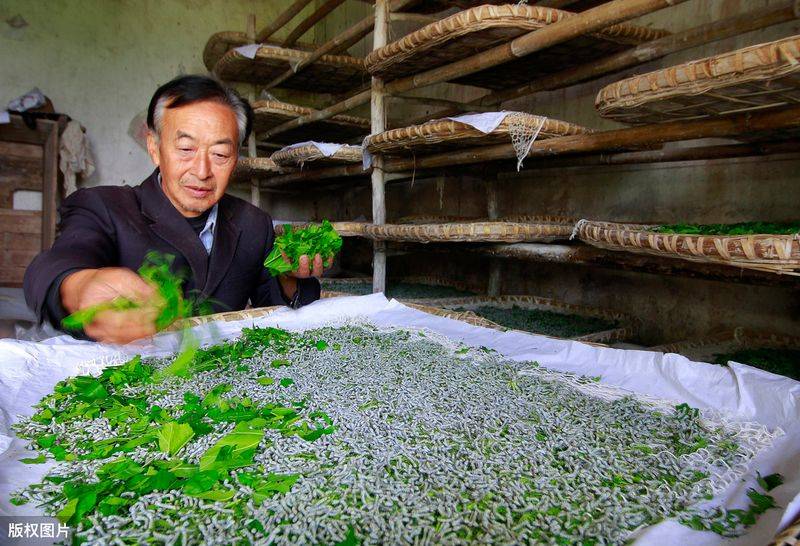
5. Ineffective unit output
In the case of farm-farmers who are manually dispersed, only about four times a year can be grown, with an output benefit of only $5,000 to $6,000 per acre. However, in areas where new technologies are more mature and production methods more advanced, 10-12 times a year can be grown, with output gains of at least $10,000 per acre. As a result, the output of san tree-growing units in most of the rural households in the mountain regions is currently relatively inefficient, and the potential of san tree cultivation and sapling is not being explored in depth, and traditional sanctuaries are not being actively and effectively developed towards a sustainable and ecologically efficient scale。
6. Low level of industrialization
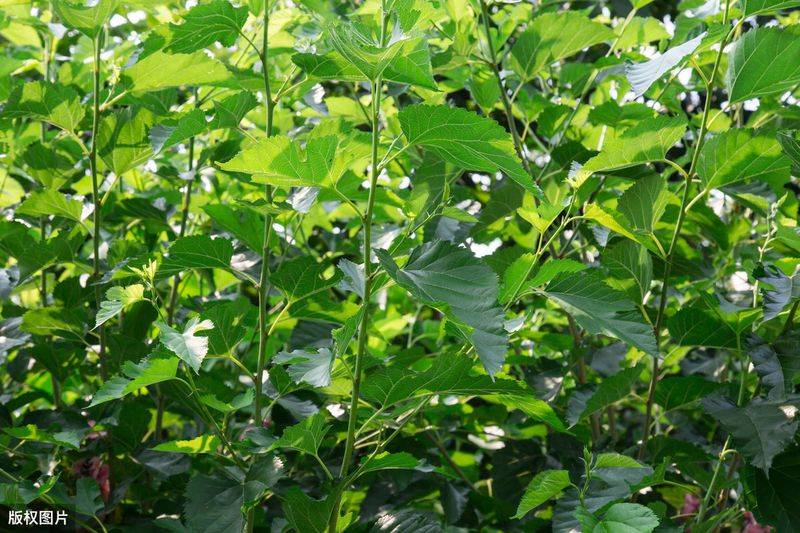
As an economic type of plant, san trees are treasured in their whole body, but integrated use of san trees in rural areas does not meet the standards and requirements required. Most farmers are now growing sanctuaries and rely only on sauna production for their benefit. In practice, however, only about 2 per cent of the sauna are found in the sauna chain, and the remaining 98 per cent of the various by-products, such as sauna, sauna and sauna, are relatively less exploited and developed, and agricultural households are monolithic and do not raise overall levels of industrialization. It is also important to note that decentralized farming is less resilient to risks and contributes to the low level of sedative industries。
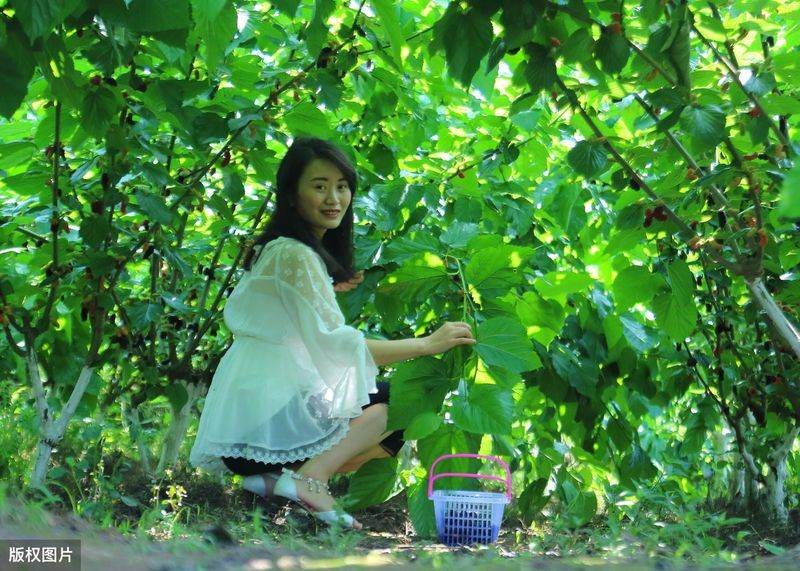
In which areas should the increase in the level of sanctuaries in mountain areas begin
I'm going to do san park
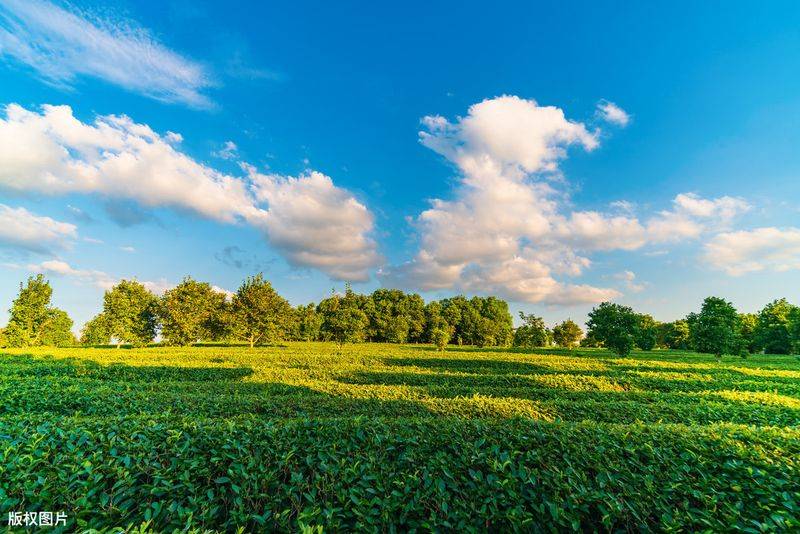
One of the most important reasons for the poor and low level of traditional sanctuaries is the inadequate and inadequate infrastructure of the san garden. Therefore, if the level of san tree cultivation in the mountains is to be raised, it will be necessary to build infrastructure at the san park. This is a prerequisite for the modernization of sanctuaries and, more importantly, for the benefit of years of construction. First, the road traffic network around san park needs to be completed. Since mechanical management of the san park will be possible only if the road network is accessible, otherwise the various machine functions cannot be transported to the san park in the mountains. Second, we have to build water. The mountains are prone to floods and drought and water scarcity. It is therefore important to do well in the construction of drain canals, to function as irrigation during the dry season, and to be able to drain water quickly when floods occur. Once again, it should be accompanied by an upgrade of the electricity network. Many people feel that the power system in san park is of little use, and that modern san park management must be accompanied by electrical equipment, which can increase the level of mechanization applications and the overall efficiency of zan tree cultivation。
2. Accelerate the upgrading of excellent san tree varieties
Increased production of sank trees in mountain areas requires the selection of suitable varieties of excellence, which are an important guarantee of increased sauna yields. In rural mountain areas, as the conditions for cultivation, such as geo-climatic characteristics, are not identical, it is important to choose suitable varieties, such as the sauna in the mountains and the different species in the sauna in the plains. In the case of higher altitude in the mountains, the species that are more resistant to the cold are recommended, and in the case of higher fog and heavy rainfall, the species that are more resistant to disease and resistance. Attention also needs to be paid to upgrading old san parks to phase out past varieties and to upgrading them to high-yielding, high-quality and resistant sanctuaries. For example, the johnson 1, huacon 2, huacon 3, silk rain 2 and so on are very good new varieties, especially suitable for mountain san plantations。
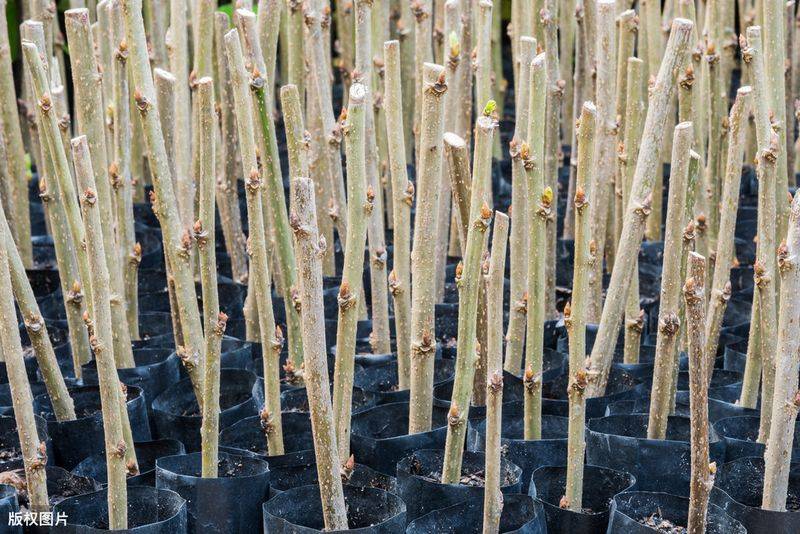
3. Further expansion of cultivation
The current pattern of small-scale farming, which is largely fragmented in mountain areas, as we have already mentioned, is difficult to adapt to the requirements of modern sanctuaries, so it is necessary to further scale up, professionalize and consolidate these cultivations in order to improve the overall level of scientific cultivation, upgrade management capacity and promote the upgrading of the whole sanctuary industry. In the case of large households with large demand, large-scale sanctuaries can be built by shifting land, or by upgrading old low-yield sanctuaries to scale. For scattered smallholder farmers, effective integration of resources can be achieved by bringing together farmers in the form of professional rural cooperatives, thus enhancing market competitiveness and risk resistance。
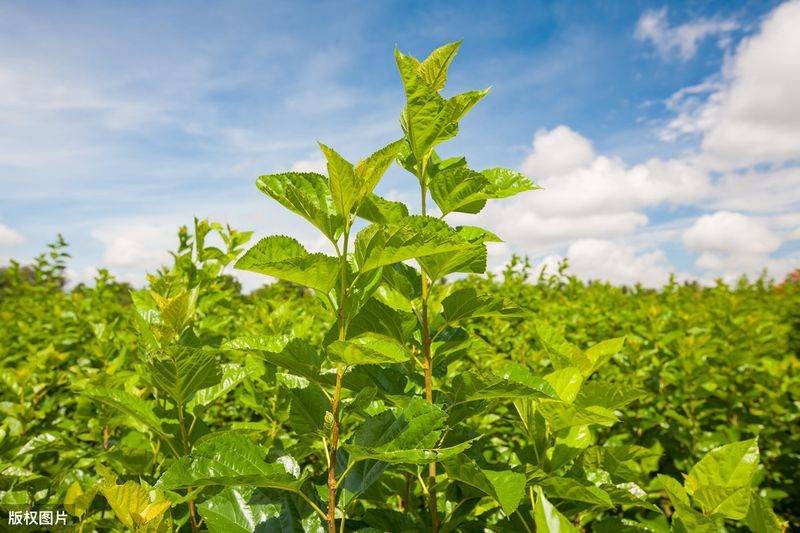
4. Upgrading of mechanization applications at san park
In the current situation of the san park in the mountains, which is entirely manual, labour-intensive and inefficient, we are actively promoting the application of the mechanization of the san park on the basis of scientific planning and infrastructure development. Particularly in the case of large rural labour outflows, especially of young adults, who work outside the home, and where only the elderly grow sauna trees at home, the promotion and application of mechanization of sauna gardens in mountain areas, the use of machinery in various areas such as sauna cutting, sauna pest control, weeding in the fields and fertilization of sauna irrigation in lieu of manual operations can be effective in reducing labour demand and improving labour efficiency, thus overcoming the existing bottlenecks in the development of sauna cultivation due to labour shortages. In the past, for example, artificial sauna is used to produce up to 300 and 400 pounds per hour, but if a tanning machine is used now, it can be cut up to 10,000 pounds per hour, and the overall labour efficiency has increased 20 times, with remarkable results。
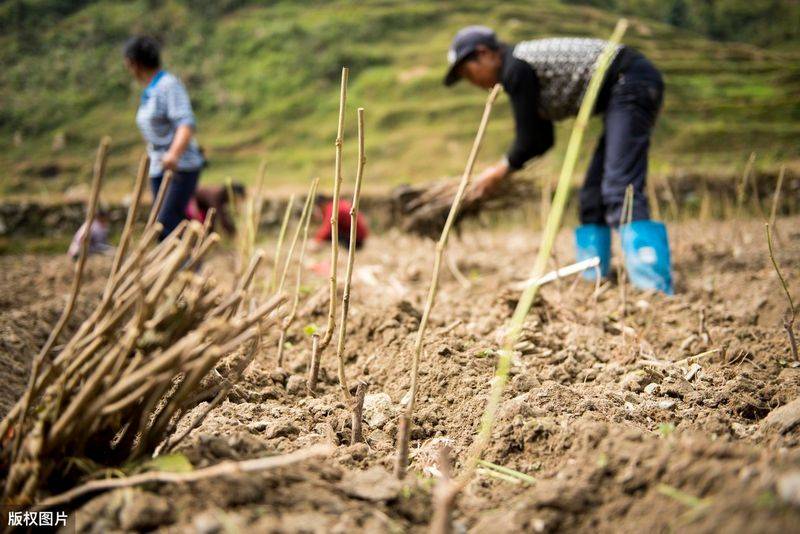
5. Active learning about advanced cultivation techniques and experiences
Having lived in rural mountain areas, and having visited the developed regions to learn about local farming experiences, i learned from this comparison how isolated rural areas are, how scarce they are and how backward they are. Therefore, the development of closed rural sanctuaries in mountain areas requires courage and determination to go out and learn actively about the experiences and techniques of sanctuaries in advanced areas, introduce their scientific management and integrate them with local realities, and refine and upgrade them so that advanced technologies can be increasingly localized in order to improve the overall efficiency of sanctuaries in mountain areas. One model is for local governments and relevant industry departments to organize large households to learn from experience in advanced areas. Another approach is to hire san tree management specialists to conduct local instruction and one-to-one mentoring and training for local sanctuaries. It will then lead more farmers to higher levels of scientific crop management through demonstration and leadership of large-house farming experience。
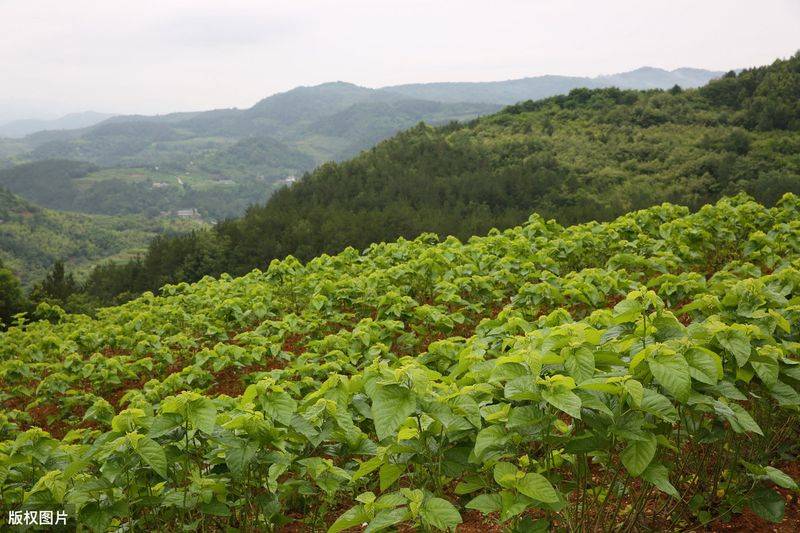
6. Increasing the combined utilization of sank cultivation
As we have already said, today's countryside is growing sanctuaries, mainly on the basis of larvae, and the integrated use of other aspects is very inefficient. And now we need to move positively from the former single-industry development model of “a sauna, a leaf, a thread” to a model of integrated development of diversified industries such as “a sauna, a series of resources”. In addition to planting san trees, there is a positive and locally adapted development of integrated fruit, feed and rural san tourism industries, as well as the integrated development of the remaining by-products such as san branches, sands and silks. In addition, during the sanctuaries, the combined benefits of sanctuary cultivation can be enhanced either by ploughing them or by sharing them with livestock。
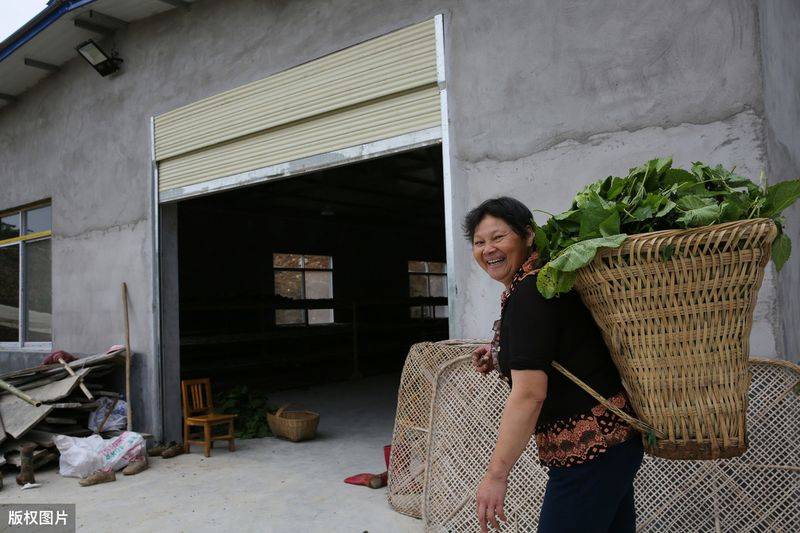
While it is true that there are problems in the process of planting san trees in mountain areas at present, we need to look to the future to achieve integrated management and recycling through continuous improvement and upgrading, using more modern scientific management methods, and to improve the production value of sanland and the incomes of farmers in general by increasing the combined benefits of san trees。



