Sampling practices are easy to reproduce and can be used in live, incubated and incubated。
Live reproduction can normally be weighed 2-8 kg per 100 kg sanctuaries and the weight of wind-dry san seeds in thousands; 1. 48g, 1 g seed 700-800 and 1 kg san seeds in about 70x-10. Sandseeds should preferably be available on hand, or in dry or wet storage and cold storage. Zang tree seedlings can be sowed in the spring, summer, and autumn three seasons, either on or off. After planting, it's covered with 1-1. 5 cm wet soil, slightly suppressed, covering grass. Seeding is 0. 5~0. 75kg for 667 m2 and 0. 8~l. 0kg for 667 m2.
There are branches or sprouts that are common ways of indoctrination. The branches, when the spring temperature is warm and the aluminum is budding and the cortex is easily squeezed, are filled with full winter buds and cut down into ears at 1 cm above the sprout; the aluminum trim should first remove some 6-7 cm of dirt from the tree, so that the roots can be exposed, and then, at the thickest point below the root must, select a sideless smooth side, cutting to about 45°: squeeze the cortex with its fingers, separate the wood from the cortex in the form of a pocket, then lean the circulus in the middle and cut it out and insert it in the bag, and then select the wetter concrete soil, which is then leaning on each hand to the next part, and burys the ear around 1 cm. A variety of methods can also be used for sank branches, such as cutting, cutting and innuendo. The sprouts may be carried out by the "t" type sprouts, the simple sprouts, the sprouts, the sprouts of squares, etc。
Plumbing breeds with a hard plumb or a young plumb. Hard branch intubation is the selection of a year-long branch that fills a healthy, disease-free pest with one third to cut up 15-20 cm, containing 2-3 sprouts, disinfecting with 0. 5% potassium permanganate water solution, plastering the base 2-3 cm with 0. 1% root powder or 1000 ~ 1,500 mg/l radium acetate or 500 ~ 1,000 mg/l rare fluid j acid solution, or embedding it with a thin solution of 24h, with a hot bed of 28 ~ 32 " c, which can then be transferred to the seedbed once the base has surfaced. The twigs were inserted into the new floors to leave the leaves and the new lobes to be inserted. It is best to get the heart out of the 10d (about mid-may) before it is ready to be plugged in, which is more or less the same as a hard-wire plug in, but only omits the hotbed rooting process: new taped lobe plugs should be careful to keep the sun warm in case the leaves fall。
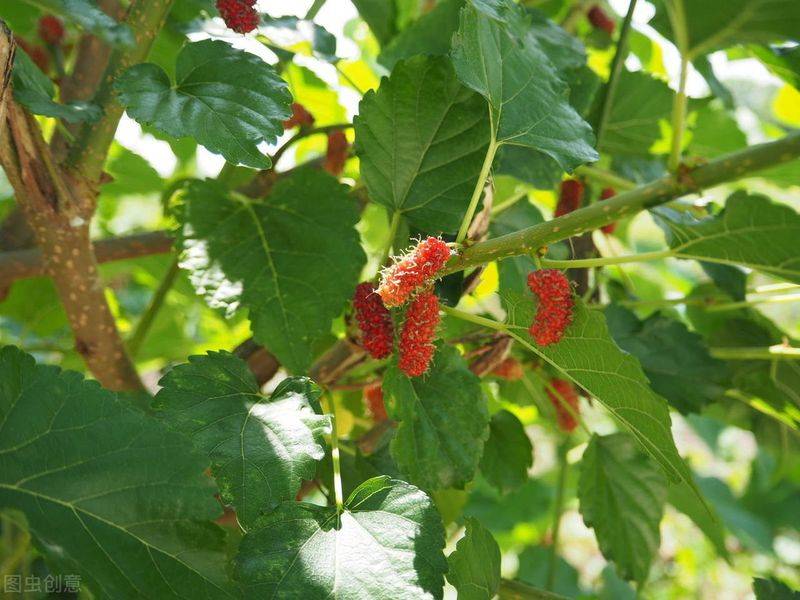
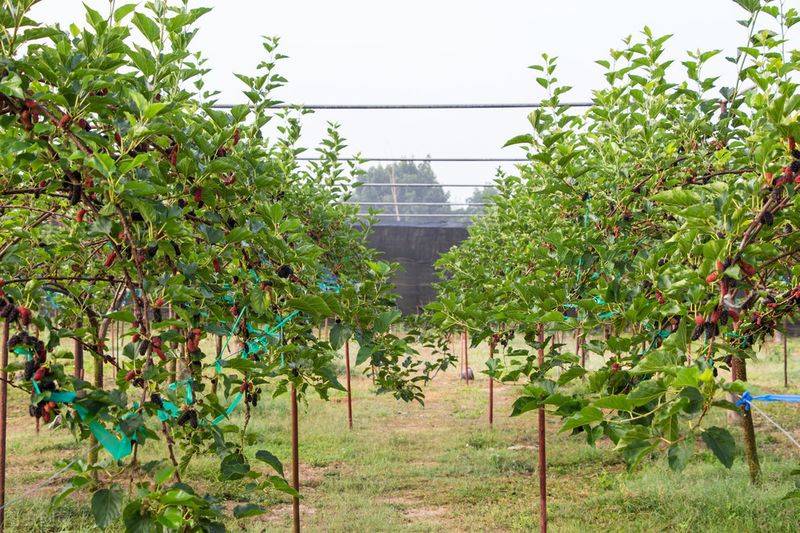
Replanting techniques, based on the purpose and purpose of cultivation, can be divided into techniques such as sanctuaries, fruit sanctuaries and sanctuaries, with different characteristics of cultivation. The sanctuaries planted by leaves are relatively adaptive to the soil and, except for dry and high mountains, can be planted on plains, hills, beaches and four sides, provided that the sanctuaries are properly concentrated and reasonably organized. Before planting, the land must be levelled and well-opened to meet the requirements of drainage, irrigation and drought and water harvesting, with a combination of ditches, ditches and ditches, and nearby water sources. If necessary, they can be equipped with spray or drip irrigation facilities, etc. The sanland of the plain water grid can reduce the groundwater table to less than 1 m by opening trenches. The conflict between salve and crop spraying for insects should be addressed, and the poisoning of the salve caused by pesticide contamination. In addition, the establishment of a sauna park would avoid plants that emit gas and toxic substances and their contaminated areas, leaving 100 m from tobacco plantations. There are a variety of types, each with its own characteristics. - one or more types of sanctuaries, in accordance with the economic approach and the requirements for breeding。
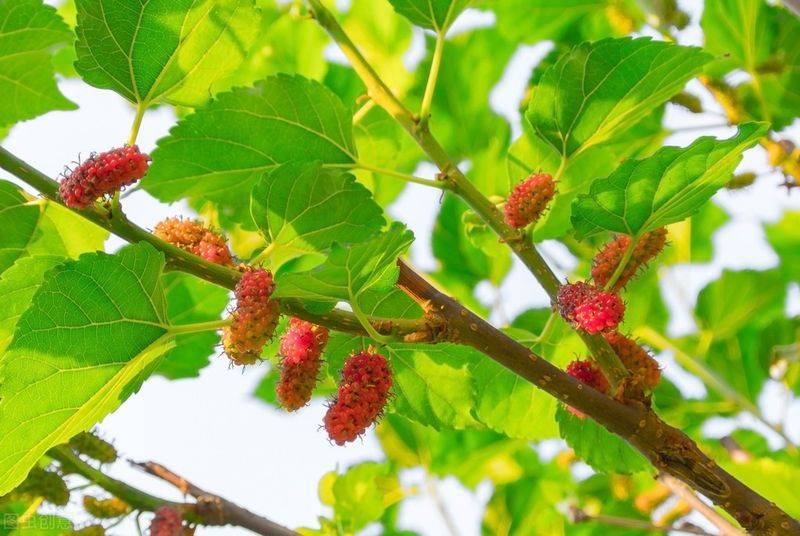
Before planting, the land is flattened according to terrain and terrain. The hills are for soil and water conservation: the lowlands are for ditches to drain and lower the groundwater table. It is also necessary to carry out the necessary deep tillage and land conversion work in accordance with the local soil characteristics. For example, adhesive lands are subject to increased organic fertilisation and deep pine cultivation: lime is applied in the red border area, soil acidity is adjusted, salt-washing is used in the saline area, etc. Sing-ming is prepared -- to take place after the leaves fall, until the spring of the following year. At that time, sanctuaries were in sanctuaries, with a high stock of nutrients, low natural temperatures and high survival rates。
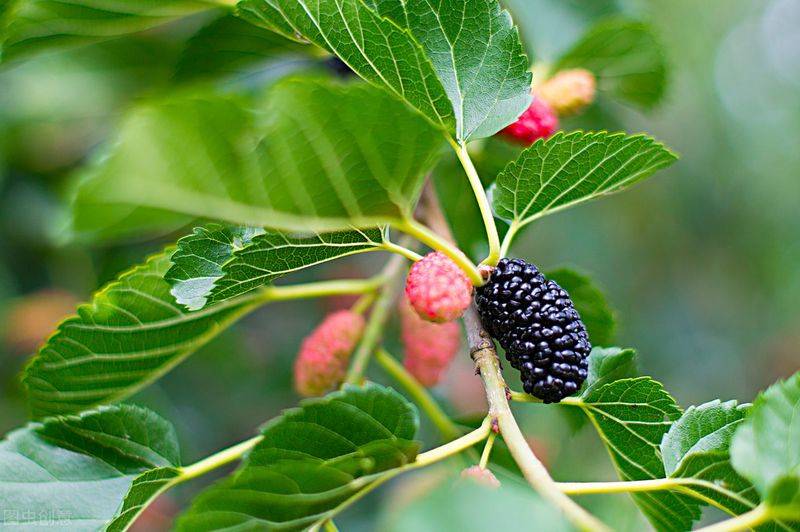
Modern sauna gardens are produced from time to time as other crops, with the main purpose of harvesting sauna leaves, known as sauna gardens. It facilitates the implementation of technical measures and harvesting management, with a high volume of leaves per unit, a long productive life and a low number of plantations per unit of 667 m2 at 500 ~
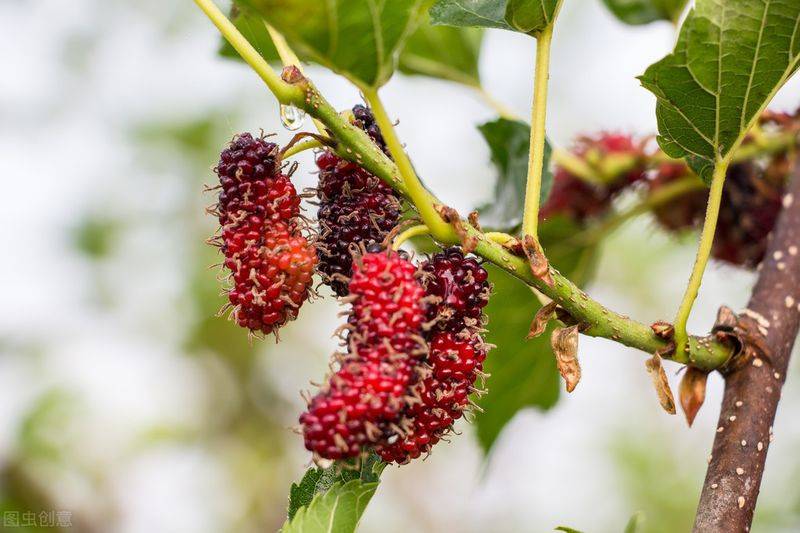
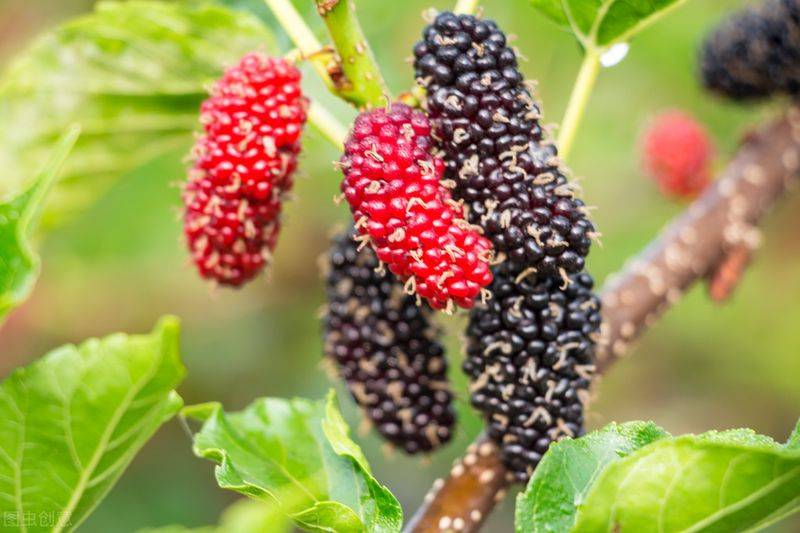
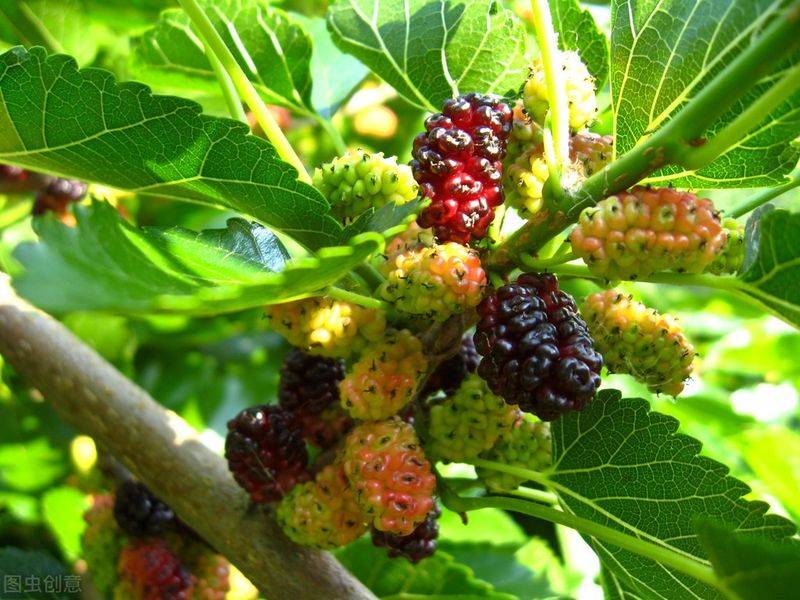
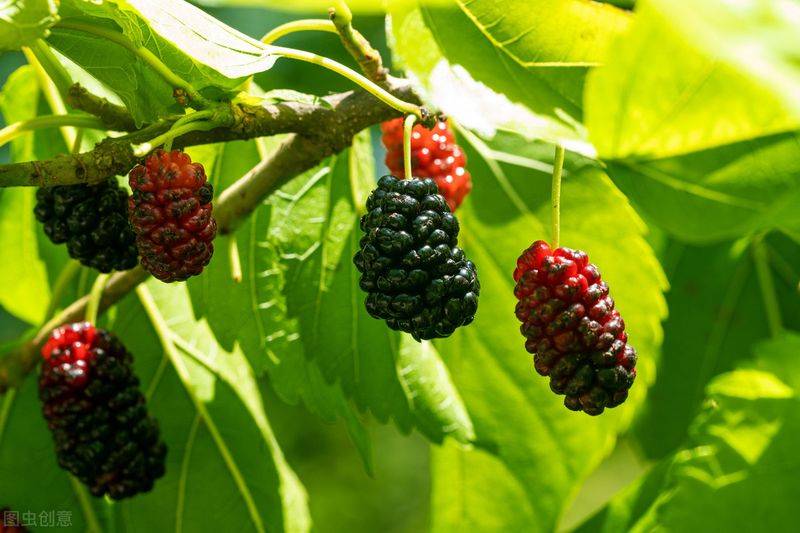
The fruit-sanding plant is less demanding for the soil, with sufficient sunlight, good ventilation, well-drained water and the best gardening on deep soil. There are three types of fruit-sampling plant: a cluster of specialty sorghum plantations, rarely run fruit-sampling plantations, and sporadic plantings in the back of the house. It's 5-8 cm, it's 7-10 cm, it's between crops, it's above 15 m. In future, fruit-sanding shall be suitable for small coronal plantings and for 2mx4m, 3mx4m or 4mx5m。
It usually has a distance of 20-25 m (on sand), a width of 1-15. 5 m, a range of 15-20 cm for new planting in a sanctuaries, which, after many years, cannot be separated, forms an overall one-to-one sauna, which can act as a protection against wind and sand. ... Breeding and management of forestland management for weeding, winter tillage during sauna leaves at about 20 cm depth, combined with winter fertilization. Summer farming is combined with summer fertilisation at a depth of about 10 cm. Weeding in the sauna must be timed and measured according to the occurrence of weed. Winter grass is removed in spring and seed grass in autumn. Herbicides are also available, which is not only labour- and energy-saving, but also has a long life span。
Fertilizing in the fertilizers - the same as spring, summer, autumn and winter. Spring fertilizers are dominated by fast-acting nitrogen fertilizers, such as ammonium carbonate, urea, and manure. Summer fertilizer is based on quick-impact fertilizers, which can be combined with the application of some delayed organic fertilizers, such as composting, school fertilizer, etc. Autumn fertilizers should not be applied by mid-august. Winter fertilisation after the fall of the sauna leaves and additional application of delayed fertilizer。
Production experience suggests that urea is fertilized throughout the year at a high-yielding sauna, 45kg/677m? Or ammonium bicarbonate 120 kg/667 m2, calcium perphosphate 250 kg/667 m2, organic fat 6,000 kg/667 m2. Of these, 20% - 30% - spring, 50% - autumn and 20% - winter. Fertilization in the year in which it was planted was approximately one third in the seng lin park, 2/3 in the second year and the same as in the adult san park since the third year。
Irrigation and drainage have been watered once before the spring sprouts, once after the summer harvest, once during the high-temperature drought in the summer and autumn and once during the winter drought. Cave irrigation, ditch irrigation, spray irrigation, drip irrigation etc. If the san park is low, the groundwater table is too high, the rain season is too high and the san park accumulates water, it must be eliminated in a timely manner。
Tree management leaves are sanctified leaves are sanctuary-shaped and dry heights are divided into low-dry san (under 70 cm length), medium-dry san (under 70 - 170 cm) and high-dry san (above 170 cm). It's 10-20cm. The method of sanctuaries, the length of which is kept by the base at the time of the clipping, can be divided into boxing and non-fisting. Boxing is repeated every year from the base of a branch or a very short branch after the upper branch has been dried up. After the summer harvest, new branches were extracted from the residual incubation. After many years, the tops swelled and gradually formed the form of a fist called sanken. After the san tree was formed, 6-i0 cm was kept in the base of the branch each year to trim the strips, which were drawn from the hibernation of the left, so that year after year, the hair was raised and the top could not form the fist, so it was called non-fist。
The principal is the drying of 20 cm before the sprouts after the planting of the 1st year seedling of the low-gang san. In the spring of the second year, the branches were cut from 40 to 50 cm to form the first stem (2 to 3). After a sprouts, two to three sprouts were left before each one, the whole tree bred 5 to seven swigs, the third year after the spring sprouts, the summer harvest (late may), the second dry cut at a distance of 50 to 70 cm, and thereafter a boxing or non-fisted bar。
The 1st year of the gogansan cultivation act is set to dry 60 to 70 cm and form 3 branches, 110 to 120 cm from the ground in the 2nd year, with 2 new branches in each branch, 150 to 160 cm from the ground in the 3rd spring, 2 dry branches in each branch, 4th summer, 3rd dry, 180 to 190 cm off the ground, and can be followed by boxing or non-fisting. It is in between。
According to the cutout period, they are divided into spring and summer. Spring felling is the method by which all branches are kept for a certain length before the spring sprouts, and summer felling is the method by which the branches on the whole tree are cut off at the end of may and early june after the spring sprouts have been brought up. Spring felling can regenerate, and summer felling can weaken. Both methods should be appropriately interpolated。
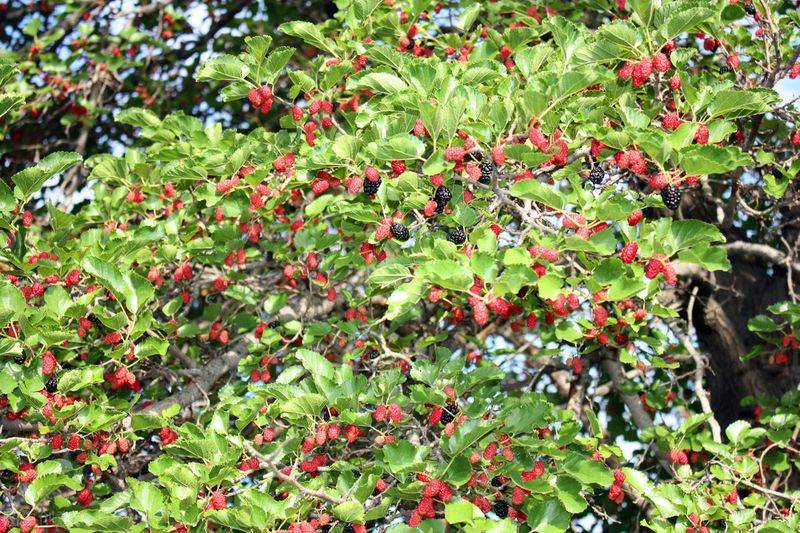
The goosan plastics were not trimmed after the past fruit san cultivation, so that it would grow naturally, without a visible branch and without a visible layer. The sank tree is suitable for a happy or cup-shaped plasticization, with two to three main branches. On the cut, before the spring sprouts, the twigs, the sick branches, the thin branches and the dry branches are removed, and the resulting branches may be cut lightly or long. The sauna branches are updated in fixed positions by double branches, while in the case of heavy branches or a few thousand larvae, retrenchments are required in time to enhance the tree position。
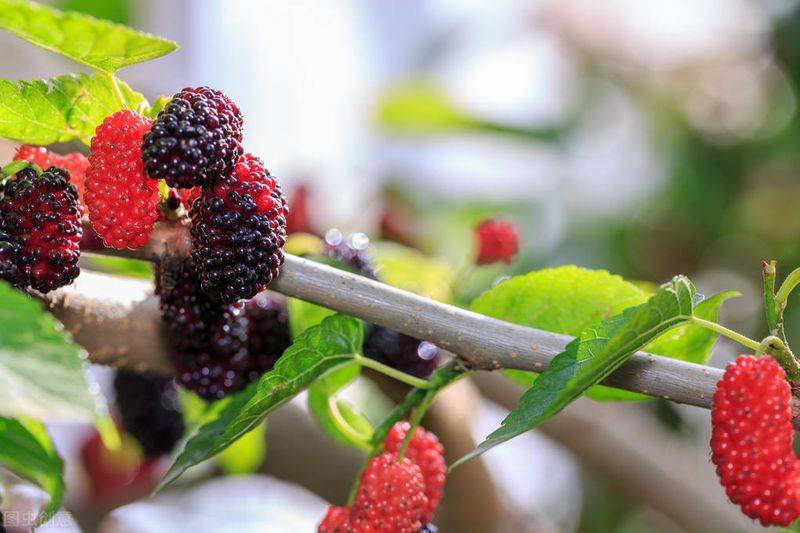
The main pests in the south are sauna worms, sauna lice, sauna lice, sauna lice, sauna horses, etc. Integrated treatment approach, which should clean up the sauna in winter, centralize leaves, dried weeds, etc., and remove strains of disease, winter pests and eggs, saline larvae in the early spring, and a marathon milk for saline larvae
1,500 times liquid or ammonium parathion emulsion 500 to 800 times liquid sprayed, and salphate used syringes to fill 25 per cent of the fruit emulsions, mixed with kerosene, squeezed into the faeces and killed the larvae. Phosphates of thiomers can be sprayed at 5 degrees of platinum. After spring, 90 per cent of trichlorfon can be sprayed with 1,000 ~ 2,000 times more liquid in areas where sanctuaries, sauna worms and gold turtles are severely affected. In the summer autumn, 90 per cent of trichlorfon may be sprayed with 1,000 times more fluid when the damage is severe, such as santrema and oranges。
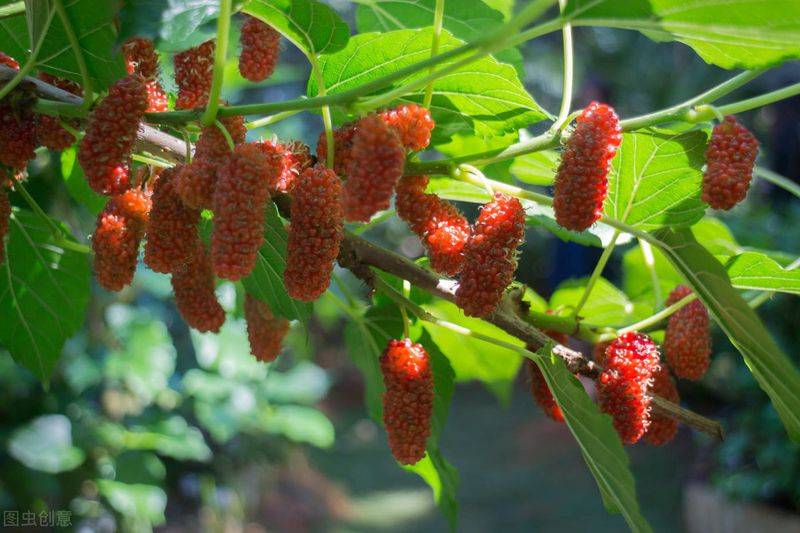
The harvest product is salved for leaf harvesting, 7-8 leaf harvesting per year in the southern region and 10 d per year, known as winter thaw. The height of the shears varies from one winter to another. The former are cutting branches in the base, while the latter are cutting branches 30 to 40 cm above the ground. Here.
In the spring, when it stretches up to 70 cm, it starts picking leaves. The leaves of the 1st to 3rd branches, which leave behind the 4th to 5th leaves, contribute to the upward extension of the new article. The 4th or 5th branches of the branch, all of the leaves, and the heart (the tender heart of the new sprouts) stimulate the buds to grow and to grow fresh. In order to increase the yield of white silk for the purposes of the first and sixth branches, only before and after winter
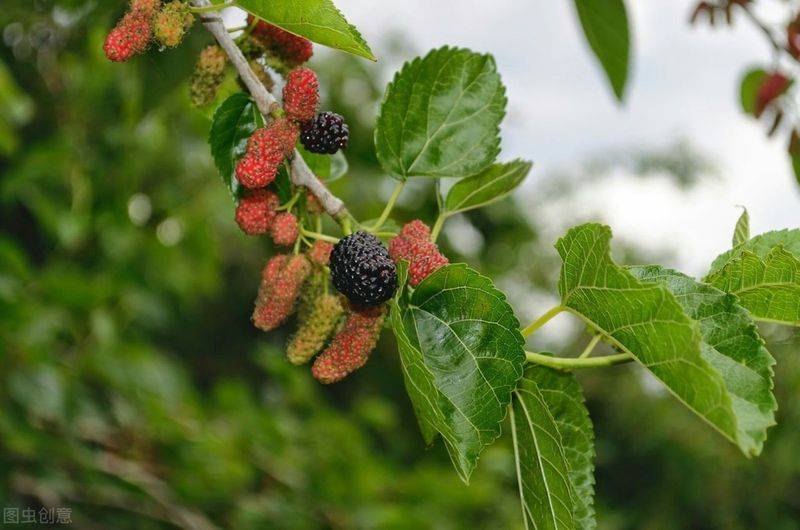
Cutting, after leaf harvesting in the first, or after leaf harvesting in the second, referred to as " sauna " , is generally called " sauna " , i. E., cutting only 60 cm at the end of the winter (30 per cent long), promoting the emergence of winter buds in the lower part of the branch, new strength and fewer flowers. This would increase the yield of leaf by approximately onefold. Whether it is spring or summer, the volume of leaves produced by the sixth is 33% - 40% higher than that produced by winter。
However, since the long-term cutting of branches in the trees affects the physiology of the trees, the rotation should take place in alternate years。
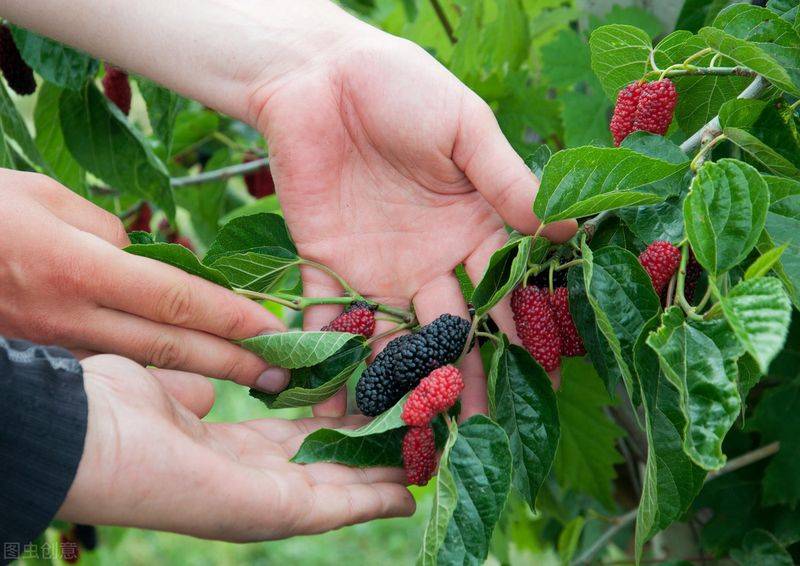
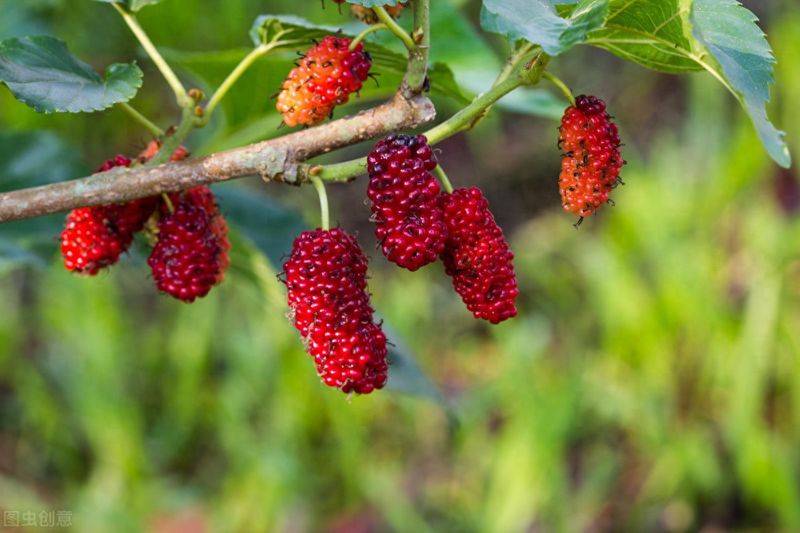
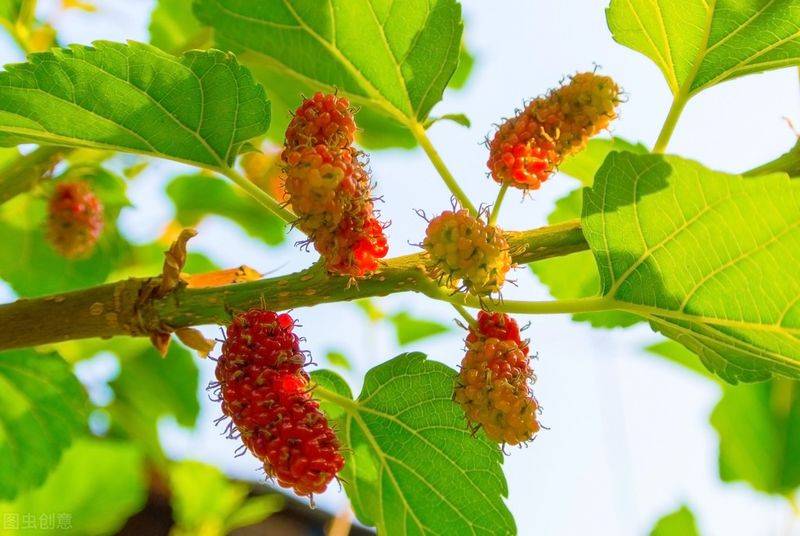
The harvest began to mature in late may and continued until mid-june, when matured trees were collected, and were sprung under the trees in the early morning hours of the day with a labubone or plastic sheeting, and the trees were shaken with branches. A mature saloon can be blown down. For matured trees, the previous period can be divided between 1 d and 3 d after 3,4. When they mature, they must be spread out, placed in the shade, sold or processed as soon as possible, and can also be tanned。
The sauna harvest cut down the sauna around the winter of december, cut off the sauna with a sickle, then tied it up, steamed it with a specially made steam cage, then removed the sauna, and then made a good white sauna. Sampi should dry it and sell it to the paper mill。