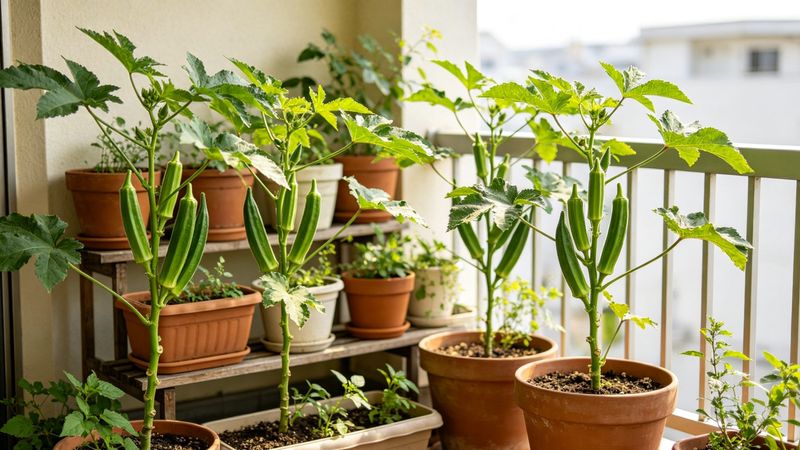
Speaking of the trees, what's in everyone's mind? Is it sour and sweet or is it the white and fat baby? We have a long history of silk production, which is said to have taken the form of sauna, silk, silk and sauna. The saline industry, which is the dominant feature of the city of nanning, has been steadily developing and now has a total of 6,863,000 acres. Today, let's get to know what it takes to plant a good tree
I. Smoking and collection
Sanctuary is a perennial plant with a productive period of 10-20 years. Therefore, the new sanctuaries should be organized in a single series to facilitate intensive operation and efficiency。
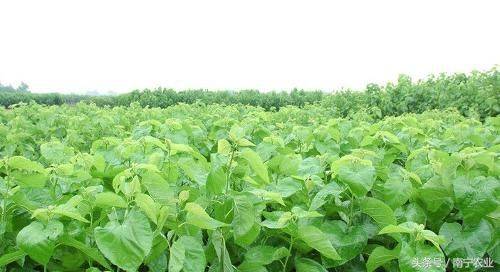
New sanctuaries must be fully ploughed, weeded removed, ditched at a distance of 80 centimetres (40 centimetres deep and 35 centimetres wide) and applied to base fattening (60-100 herbs per acre, 50 kg per phosphate or calcium per phosphate) in the ditch, and then returned to the ground to fertilize, raze and line up for planting。
Selection and handling of trees
Care is taken to protect the roots of the trees when digging for saplings. By the size of the tree, the excessively long primary system should be trimmed at the near fork and the mud impregnated seedlings should be planted。
Iii. Cultivation methods
When sanctuaries are grown, they are laid down on a line with shovel plugs at a distance of 15-20 cm. The average acre is 5,000, or about 8,000 if a sanctuary is used. Small and small sampshires need separate branches. The seed shall be soaked that the upper stem shall be cut at 10 cm above the ground. In the event of a drought, water should be taken into account。
Iv. Fertilizer management in san park
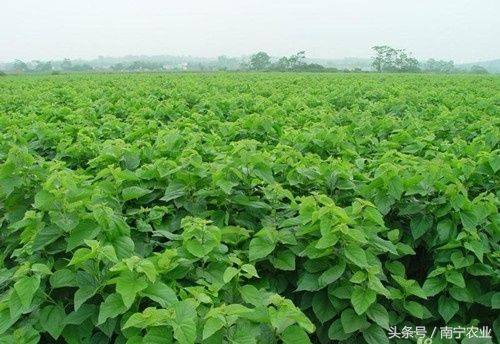
Rational fertilization is an important condition for stable, high-yielding and high-quality sauna. The timing, type, quantity and method of application are therefore determined according to the growth patterns of san trees, soil climatic conditions, fertilizer properties and the timing of leaf extraction。
1. Demolition fattening: the saloon is applied when it grows to 2-3 leafs and is mainly applied to nitrous fertilizers, such as manure or urea or compound fertilizers. Usage: 15 kg/acre of urea, 25 kg/acre of compound fat and 100 kg/acre of human urine。
2. Sanctuary fattening: i. E., one leaf picking and one fatting. Usage: 50 dung/acre or 15 kg/acre urea. Waterable, fatty. An additional organic fertilizer is applied after the summer season, in the case of guaranteed sanctuaries。
3. Winter fertilizer: winter fertilizer plays an important role in the annual growth of san trees and in the production and quality of sauna leaves. It should be applied after winterization (i. E. Before and after winter) in combination with winter farming. Winter fertilizer should be based on organic fertilizers, such as composting, school fertilizer and soil fertilizer, at 3,000-5,000 kg per acre. It's more effective to use pond mud and gutter mud for sanctuaries。
It is also important to note that the application of fertilizers, i. E. The opening of cleavages between rows, the subsequent application of fertilizing soil, should be combined with chinese tillage。
V. San wood clipping and sunning
Sand trees are cut in winter and summer. Winter logging occurs around winter and summer logging takes place in mid-july。
Cutting takes the form of root and low. The root is a flat ground cutting of branches; the low ground is cut more than 30 cm from the ground. Three or four strong branches were cut, leaving them weak and sick. Roots and lows are interchangeable. In general, winter is low and summer is low。
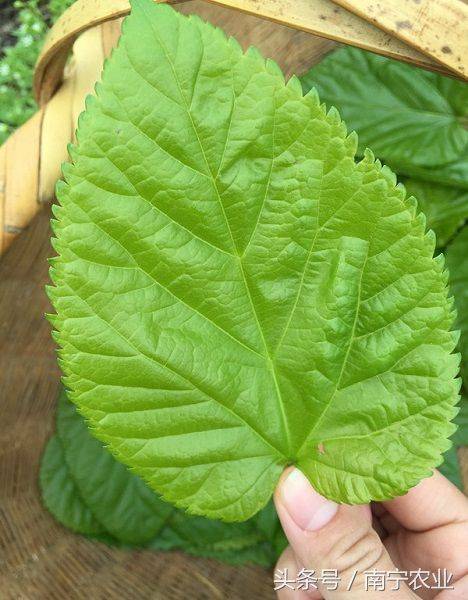
The sauna is the nutritional organ of the sauna tree, and it is necessary to balance the extraction of the leaf with the preservation of the leaves in order to produce a high yield。
For the first time, spring and autumn silks were harvested, starting when sansin grew up to about 80 cm, leaving four to five leaves on the upper part of each batch, and the next leaf was fully available. Leaves can only be emptied before cutting。
These are the specific ways of planting and managing san trees, and we will continue to follow up on the tweets from the “nanning agriculture” public and today's headline on sauna breeding technology