


Scientific “sets” under the oil and tea larvae forest not only increase land use efficiency, but also economic gains, improve soil fertility, reduce pests and diseases, and achieve ecological and economic gains. So what are the models
I. Tea with oil + chinese medicine
Recommended categories: mingko, winter, awell, etc
Advantages: the medicinal material in herbal books, such as saplings, is less demanding for the soil, is shallow, does not compete with oil tea for deep nutrients, is suitable for growing under the forest and can contain weeds and reduce management costs。
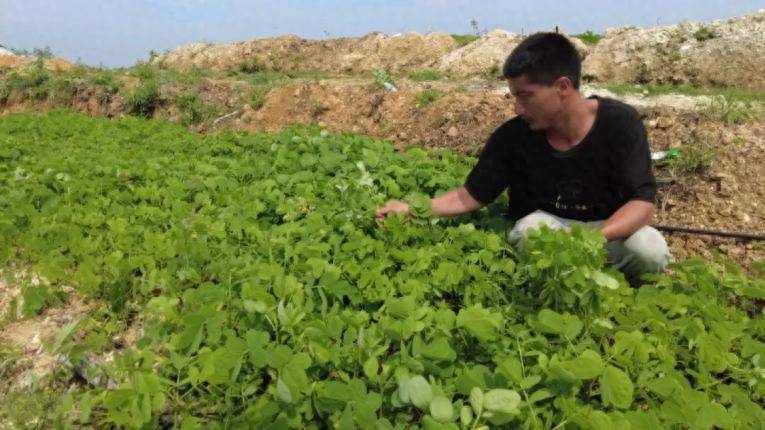
"gold tea + sensibility"
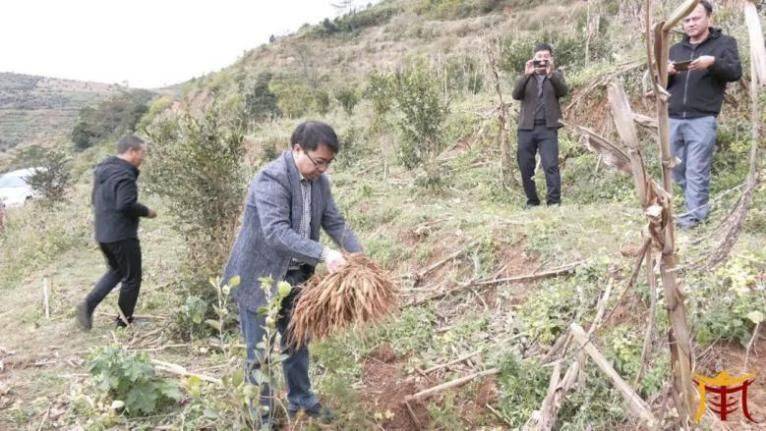
"chat + winter" complex planting "show" new ways to become rich
Oil tea + “food and vegetable” crops
Rice
Advantages: rice has a short growth cycle, does not compete with oil tea for deep nutrients, and the resulting straw can cover the ground and reduce treatment costs。
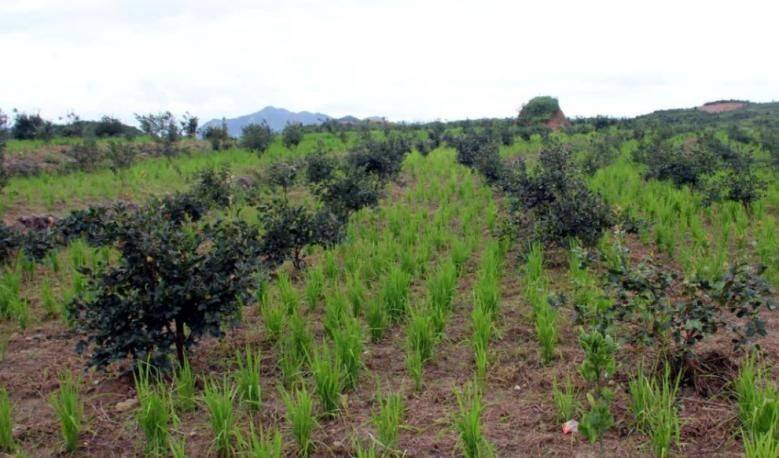
Oil tea and larvae science paddy
Paprika
Advantages: hot pepper cultivation is short-lived, adaptable, does not compete with oil tea for sunlight, market demand is high and returns are high。
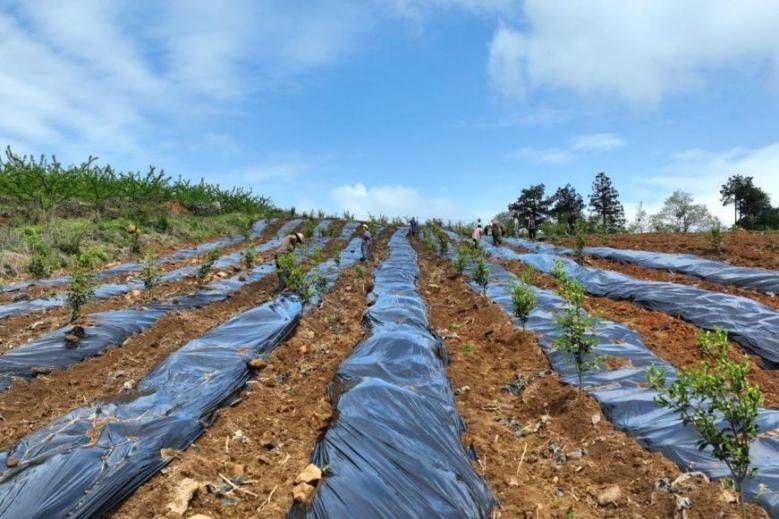
A hot pepper set in the oil and tea forest to achieve a double harvest
Soybeans
Advantages: soybean root root roots can bio-fix nitrogen, increase soil fertility, increase soil microbial communities, improve soil structure and promote oil and tea growth。
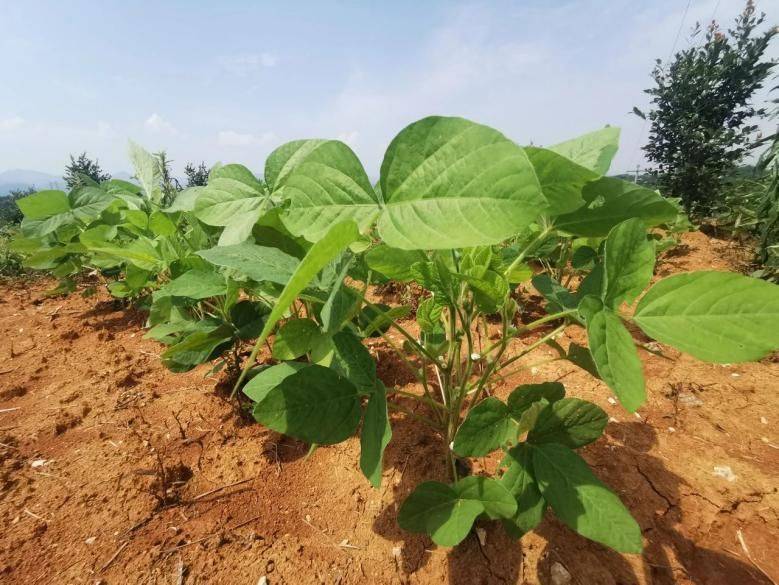
Under the forest, soybeans are grown, and the jade screen ponds are "sets" with new ways to raise revenue
Iii. Tea with oil + fungus
Recommended species: large ball-covered mushrooms
Advantages: large ball-covered mushrooms are grass-crushed edible, have simple and cost-effective characteristics and can be used for open cultivation with crop straw. Straws covered during planting can be effective in reducing weed growth, reducing the cost of weeding and reducing the application of oil and tea fertilizers by decomposing the straw, improving soil and increasing fertility。
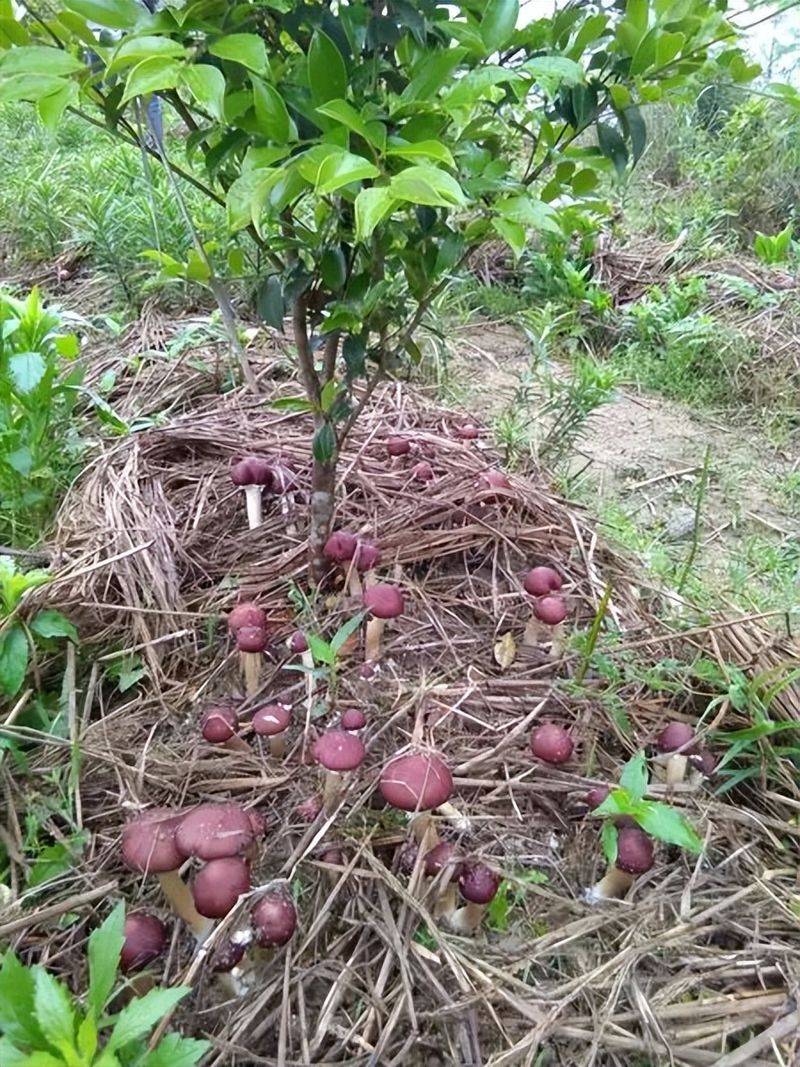
Tea packs for the big balls and mushrooms. Okay
It will take years after the planting of oil and tea seedlings to enter the poignant season, adopting a variety of seeding models to grow short, to make full use of the forest land and to maximize the benefits, so that the oil and tea forests become “rich forests”



