High-quality and efficient breeding support technologies in subtropical san
Affiliated area: subtropical erosion area
Technical advantages
1. Mainly promote climate-appropriate, sanctuary varieties in subtropical areas
2. Cultivation of sanctuaries
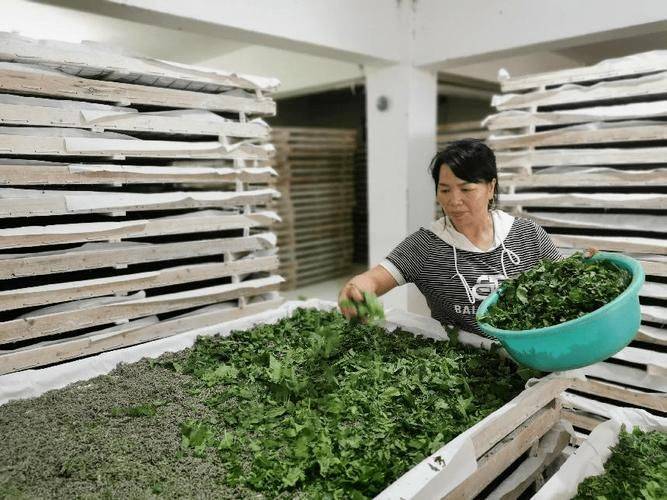
3. Coherent and energy-efficient multiple-rolling batches of larvae
4. Light, low-cost, high-quality and efficient。
Technical elements
Sansa tree planting and production technology
1. Quantified species of sang trees: such as the main thrusts as gui yu 12, gui sang 5, gui sang 6 and other drought-resistant species。
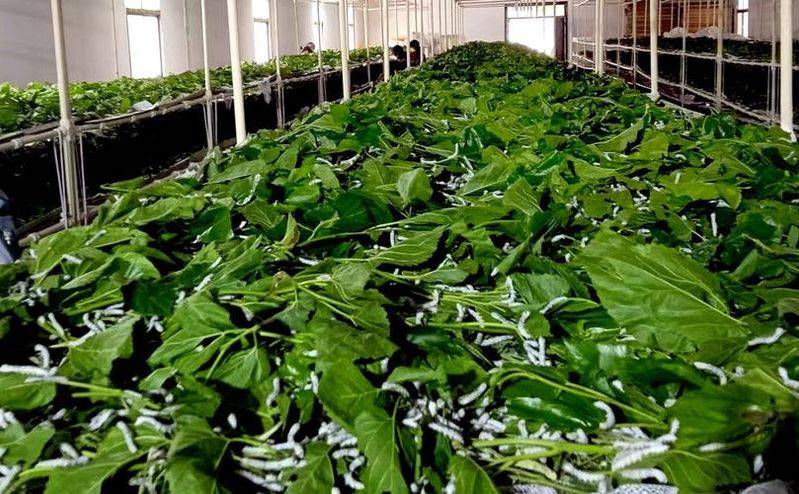
2. Reasonable planting: cultivation of 4,000 to 6,000 acres, effective branching of 18,000 to 22,000 acres, maintenance of an appropriate efficient branch distribution structure in the sanctuaries。
3. Fertilizer management: re-energizing fertilizers, planting new san gardens, ploughing old san gardens in winter and ploughing them in winter, re-applying them in a quantity of 1000 ~ 2000 y/cm; rational pursuit of fertilization, san fertilization, reasonable ratio (n:p:k = 5:3:4) and 20 ~ 25 ycm + urea = 10 ycc/cmc; covering horticultural areas for physical protection, timely irrigation and removal of water and maintenance of good soil structure in san estates。
4. Reasonable cut-off: two harvests per year, 30 to 50 cm in winter and 30 to 50 cm in summer season; and four to five harvests per year to strengthen the management of water and fertilizer。
5. San garden pest management: better pest monitoring, mainly green control, and, if necessary, the use of san park-specific pesticides。
Coherent and efficient erosion techniques
Subtropical climate-appropriate, multi-resistant, high-quality species of silk。
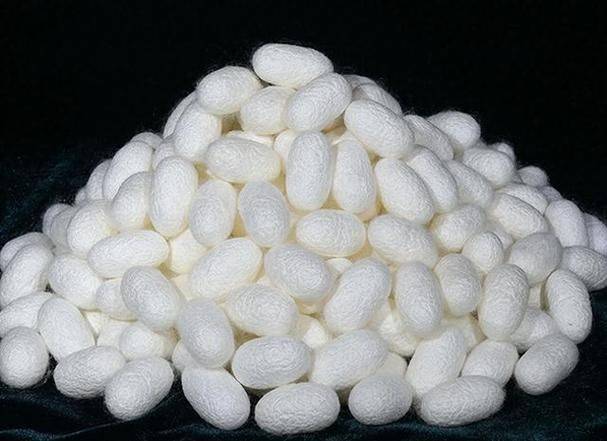
2. Co-production of co-incorporated silks: the feeding of small silks is based on specialized and centralized breeding, is distributed after four-year-olds have been fed, is equipped with special facilities such as corrosives, thermostats and specially designed carcasses, is based on superstitious frames, is controlled by technology such as disinfection, temperature control and rearing operations, and is provided through standardized production and industrialization, with the provision of strong commodities。
3. Light and simple ground breeding: 4 to 5-year-olds are given ground breeding, 35m2 to 40m2 are provided with large-sized corrosive houses, orbital feeding platforms are installed to perform rearing operations such as leaf-bearing, lime-spreading, extended seating, etc., to reduce labour intensity and increase productivity。
4. Argumentation and mechanical cocoon: the use of cocoon on cocoon on the cocoon of the cocoon of the cocoon of the cocoon of the cocoon of the cocoon of the cocoon of the cocoon of the cocoon of the cocoon of the cocoon of the cocoon of the cocoon of the cocoon of the cocoon of the cocoon of the cocoon of the cocoon of the cocoon of the cocoon of the cocoon of the cocoon of the cocoon of the cocoon of the cocoon of the cococoon of the cocoon of the cococoon of the cococoon of the cocoon of the cocoon of the cocoon of the cocoon of the cocoon of the cocoon of the cocoon of the cocoon of the cocoon of the cocoon of the cocoon of the cocoon of the cocoon of the cocoon of the cocoon of the cocoon of the cocoon of the。
Integrated disease control technology
High-yield and efficient production patterns are built through the selection of suitable sauna and sauna varieties, high-quality sauna security and specialized standardized save practices. Implement integrated prevention and control techniques for the “preventive, integrated and control” of transvestites, so that they can be sterilized before, during and after the pre-coup, the sub-coup, the mussels, the cosmos, so that the mussels are fully developed, healthy and healthy, and bad individuals are eliminated in a timely manner。