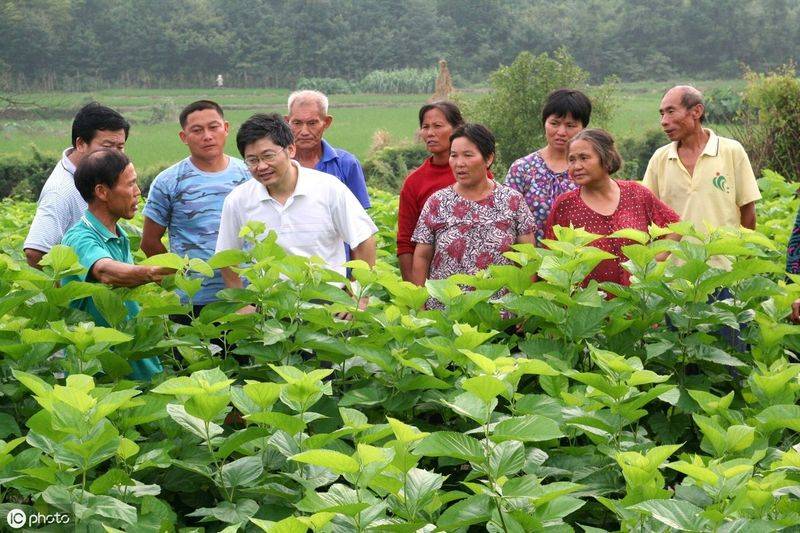
Our country has a long history of planting sanctuaries, and it is now thousands of years old. In the ongoing cultivation and management process, farmers have developed a number of experiences and methods of tree planting, identifying the main forms of tree planting, understanding the adaptation requirements of the trees to the soil, and targeting the optimization and improvement of the land where the trees are planted in order to increase the yield of the trees and increase the yield of farmers. Today, the tea stop is a chat. What are the most common ways to plant sank trees? The advantages and disadvantages of these forms of planting and the direction to be taken by future sanctuaries are expected to provide a wide range of practical references to their friends。
Part of our sanctuaries is grown on a large scale, which requires a wealth of land resources that cannot otherwise be achieved. However, in many rural areas, although san trees are grown, this is not the main sector of farmers, especially in some mountainous areas, where it is difficult to form large-scale sanctuaries, more often sporadically, because of scarce land resources. As a result, sanctuary planting takes different forms for different planting environments and areas. In particular, there may be the following:
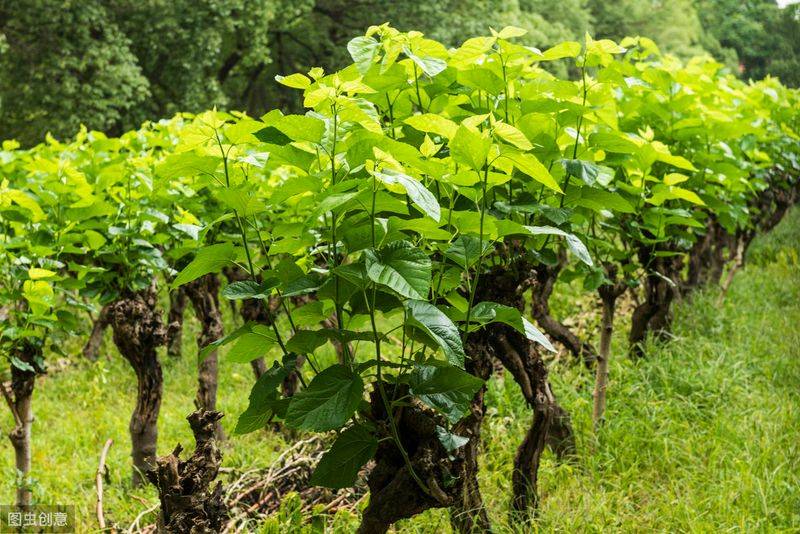
I. Scaled up into a sauna is the main form of future sauna cultivation in the country
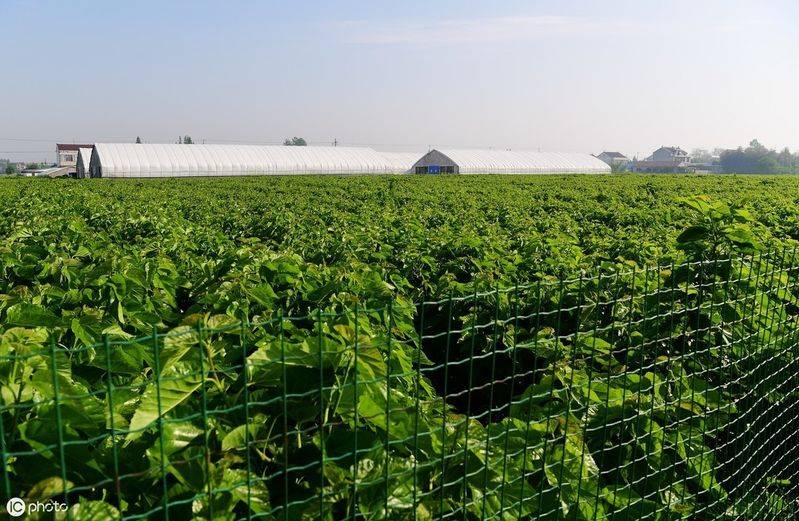
This form of sanctuary planting occurs in rural areas where sanctuaries are the main source of economic income, where sanctuaries are grown on a scale based on the scientific requirements of modern sanctuaries that are reasonably dense. The size of the sanctuaries can be divided into more detailed types depending on their use. For example, sanctuaries, mainly for the raising of young children, and sanctuaries, mainly for the raising of older children. For example, it can be divided into sauna gardens for sauna, sauna gardens for sauna and sauna gardens for spring and autumn. The main difference between the sanctuaries is the variety of plants being planted, the manner in which they are trimmed, and the distance between the branches。
First, the benefits of growing into a sauna
The management of plantations on a scale is relatively easy and labour productivity is higher. Under normal circumstances, it is also the labour force that is managing the sanctuaries more efficiently than other crops, with the possibility of increasing their productivity one to two times. Moreover, small-scale sauna plantations can effectively increase land productivity. According to experiments, the economic value has increased by more than 20 per cent, at least as compared to the average crop, and some well-managed sanctuaries can even increase by 100 per cent. More importantly, the size of the sanctuaries facilitates mechanization operations and has significant advantages in farming for weeding and pest control。
Second, the weakness of growing into a sauna
There are, of course, some shortcomings in the size of the sanctuaries, namely, the relatively high level of pre-existing infrastructure inputs, the high number of cultivated land occupied and the relatively high level of demand for water fertilizer supply and technical management, which is not generally affordable for small-scale farmers. In particular, large-scale cropping is difficult in rural mountainous areas where land resources are scarce and not predominantly rural。
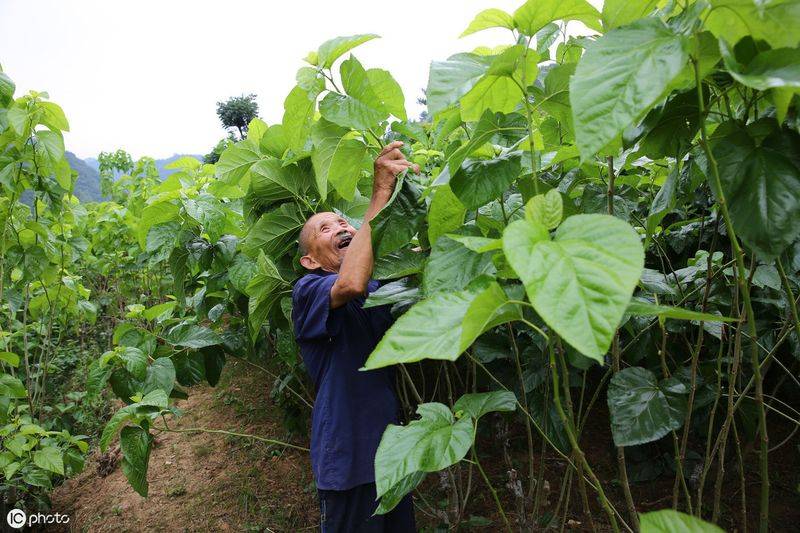
Ii. Samp gardening is an important form of rural farming in mountain regions
For many rural areas where land resources are relatively small, it is difficult to form a sanctuaries on a scale, and therefore most of them use inter-cropping. This approach is mainly based on the use of a combination of san trees and other food or cash crops to maximize the efficiency of land resources. It is generally possible to produce sauna-based sauna-based models, supported by other food or cash crops, and sauna-based models, supported by food and cash crops. In other words, both models are based on the judgement that the sanctuaries are the main plantings on the land. For different regions, the demand for different growers may vary, so the results vary。
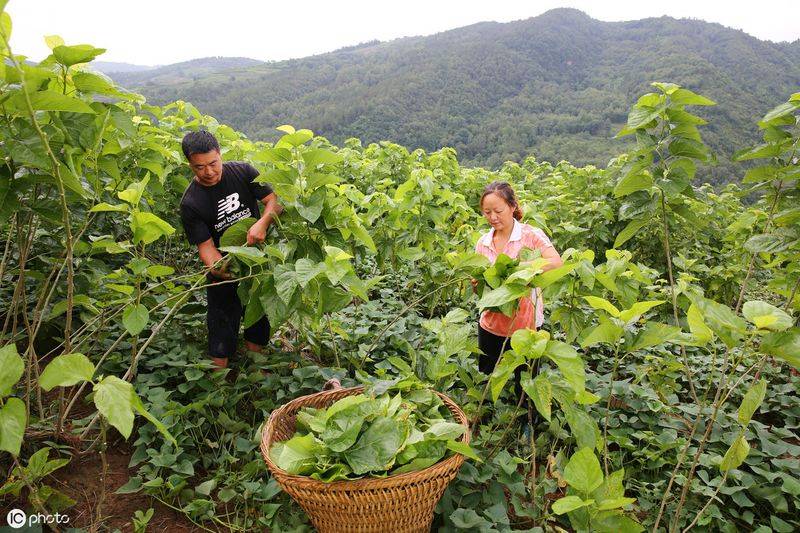
First, the benefits of a sauna
The benefits of inter-plant sanctuaries are that they can increase the efficiency of land use and achieve the effects of complex cultivation, especially in mountainous regions where land resources are relatively tight, and maximize the use of different plant demand for different growth spaces to achieve stereoculture. For example, farmers often plant sanctuaries and tea trees in their home. Spring tea is picked at the end of march and the beginning of may each year, after which tea trees are cut down for the growth of san trees. From may to october, sauna was produced mainly on sauna trees。
Second, the defect of a sauna
The combination of sauna trees and other food or cash crops, using inter-cropping techniques, can have a very good effect if properly matched, and can significantly increase land efficiency and farmers ' incomes. If not properly coordinated, they can interact with each other and can easily be compromised, resulting in wasteful land resources and low economic efficiency. In addition, there is a need to pay attention to the need for crop management to reduce pesticide contamination. Otherwise, it is vulnerable to intoxication due to food error。
Iii. Fragmented sanctuaries in the surrounding areas are an effective form of supplementing farmers ' incomes
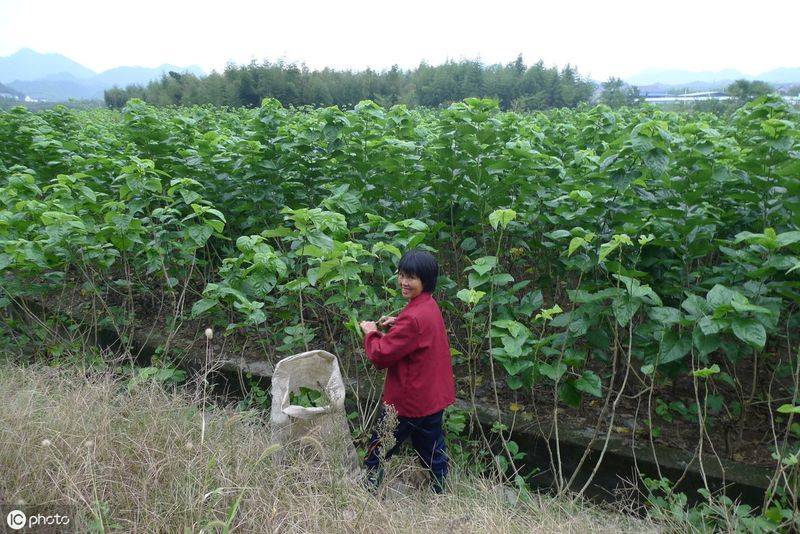
It is also known as the quadrilateral planting of sanctuaries, mainly in areas that are not suitable for food and other cash crops, such as on the edge of the field, behind the door, behind the road, on the waste slopes, and in a sporadic manner. These are often non-cultivated land and are parcels of land that farmers squeezed out like toothpaste in order to increase their income. In many hilly rural areas of the country, there is often such scattered sanctuaries, especially in sichuan and chongqing。
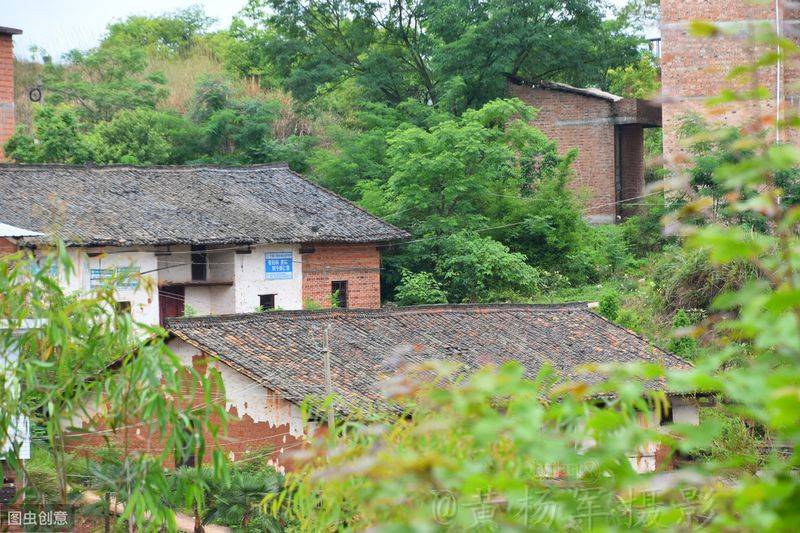
First, the benefits of small and scattered san gardening around
This method of planting represents the most likely use of land and does not occupy arable land from major food crops, while increasing the yield of sanctuaries to increase farmers ' income. Cultivation of sauna trees on the edge of the field is better in the environment, with good ventilation, strong light cooperation and lower costs。
Second, the shortcomings of scattered san gardening around
There are, of course, certain shortcomings in this approach, which is cumbersome to manage and inefficient. More labour costs are needed for management and harvesting, and the supply of sank water and fertilizers, as well as land conditions, are complex and do not contribute to increased efficiency. Now, in many rural areas, there has been a gradual move away from scattered cultivation of san gardens and towards a concentrated sanctuaries。
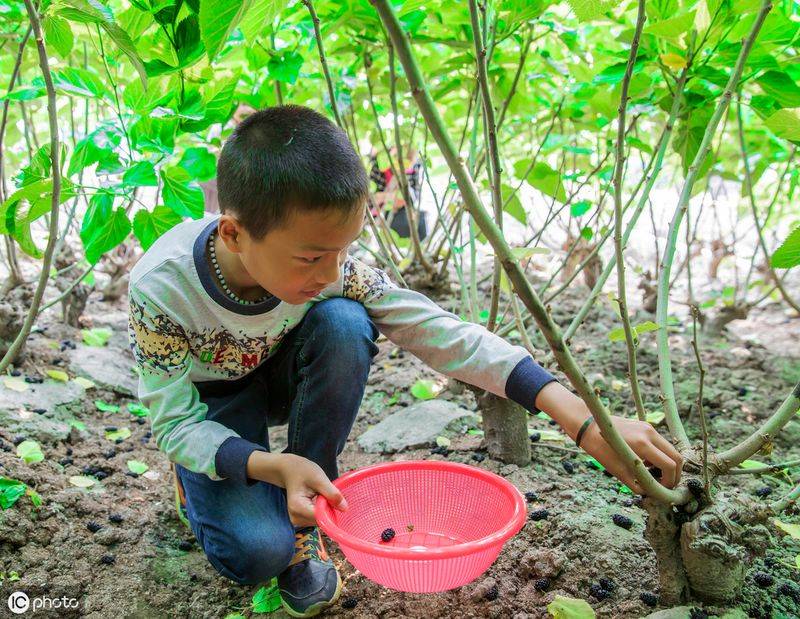
Iv. Adaptation of sanze lands as a classic form of experimental bio-agriculture
In the process of planting, sanctuaries are highly adaptable to the soil, not only in mountainous hills but also in degraded soil environments in plain areas and some marshlands. For example, in the marshes along the guangdong pearl river delta, farmers use the marshes to grow sank trees after they have been modified, which is very effective. (c) reducing water levels in the unfavourable terrain, creating ponds and ponds and expanding cultivated land by digging up the earth's foundations of ponds. The ponds can be used to feed fish, and their foundations can be used to plant sanctuaries. The salves produced by salves can also be used to feed fish. In turn, the fertilized mud in fish ponds can be used to plant sanctuaries, thus creating an effective ecological cycle that increases the efficiency of land use and achieves co-operative ecological farming。
Not only can marshlands be modified, but others, such as saline, streamland and dykes, can grow sanctuaries through proper adaptation. It is a good thing that this can effectively consolidate and protect the environment while increasing the economic income of farmers. Particularly in the context of the complexity of the local land environment, social, economic and eco-efficient long-term sustainable development can be achieved through the adaptation of the unfavourable terrain into a landscape suitable for sanctuaries。
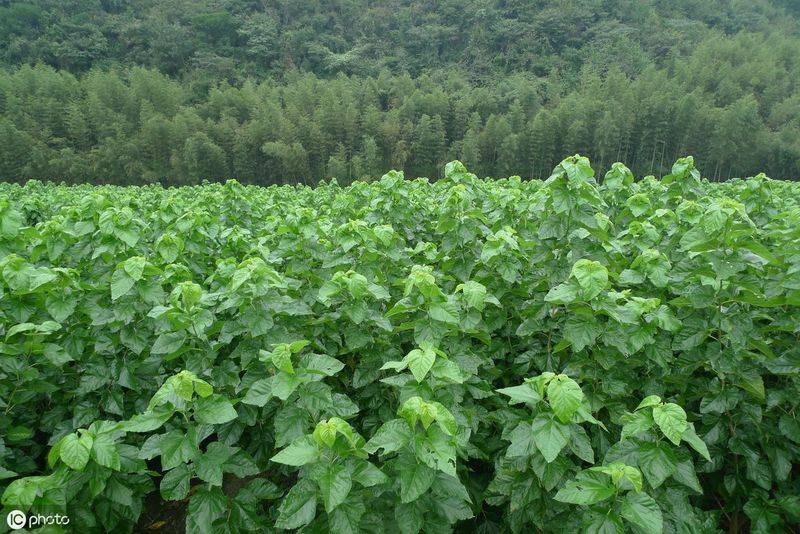
In short, there is a large variety of san trees and a strong capacity to adapt to the land, which can be planted in large areas of the country. Whatever form of cultivation is used, it should be adapted to local conditions and conditions, and scientific cultivation should be achieved through soil modifications, soil alkalinity adjustments, increased soil organicity and ground levelling. It is clear from the trends and developments in the cultivation of our sanctuaries that the future will be dominated by the cultivation of tea plantations on a scale that will greatly increase the use of science and technology, as well as mechanization, which is also a necessary path to agricultural development in our country。