


In the previous section, we have detailed information on the outstanding potential of various kinds of fine oil and tea varieties. They are like gifted “seed players” with high-yield, high-quality genetics. However, when i visited the oil and tea base in the north and south of the river, a profound phenomenon was repeated: the same breed, which produces high-quality fruits with strong aroma and high oil rates on site a, could be even on site b. This provides a profound insight into the extent to which diversity determines potential and environmental decision potential. An oiled tea tree, ranging from seedlings to fruitful fruit, has been engaged throughout its life in a silent and profound dialogue with its environment. This section will focus on three core “participants” in this dialogue: light, soil and climate, and how they work together to shape the final quality of mountain tea fruit。
I. Light: the resources of energy and the “cutter” of the oil
All things grow by the sun. For oil tea, with oil resin accumulation at its core, the light is not only the only energy source for photocooperative use in the manufacture of organic matter, but also the “total switch” that directly regulates the activity of the key enzymes of oil resin synthesis。
1. Light intensity and photolytic efficiency
Oil tea is a more radiant, positive tree species. Sufficient light can significantly increase the photocoupling rate of the leaves and produce more carbohydrates (sugars), which are the most basic ingredients for synthetic oil resin. Studies have shown that oil and tea trees growing on sun slopes, forest edges or reasonably thinly planted are usually produced in a single production and fruit oiling rate significantly higher than those under shade conditions [1]. In my base planning, i have been insisting on reasonable planting density (usually 70-110 units per acre) and standard cutting to ensure that the tree crown is radiant and that every leaf captures the sun to the maximum extent possible。
Photomass and grease synthesis
In recent years, scientific research has gone further into the effects of “photo” (lights of different wavelengths). Blue and red light are the most important for light cooperation in plants. More interestingly, studies have found that certain wavelengths of light can regulate the expression of critical genes (such as the fad2 gene, whose enzyme enzyme is responsible for saturating the acid to sub-oil acid) in the process of oil resin synthesis. This means that adequate and spectrometric sunlight not only provides more raw materials, but may also “direct” the strains to synthesize more of the high-oil acid we expect. This may partly explain why the oil-acid content of the same species is more likely to peak in core production areas (e. G. Zhongnan, then zhongnan) with long sunlight hours。
3. A practical revelation: a science-planning park land
The choice of direction of the slopes is therefore crucial at the start of construction. The south and south-east slopes are the preferred ones because they receive the most and the longest solar radiation. Avoid the choice of valleys long hidden by mountains or trees. At the same time, through winter trims, cleaning of the inner chamber branches, overlapping branches, and the formation of a “crumbed” crown of joy, light spots can be spilled inside the tree canopy to achieve “stereogenic results”. This is not just an increase in production, but a basis for upgrading oil。
Soils: the foundation and the ethos of the “pregnant”
And the oil and the tea tree is thin, but it is not. Its lifetime is fixed in the soil and water of one side, and soil is the only source of moisture and mineral nutrition. The physical structure, chemical nature and biological activity of the soil together form the micro-basic basis of the fruit flavor and nutrients。
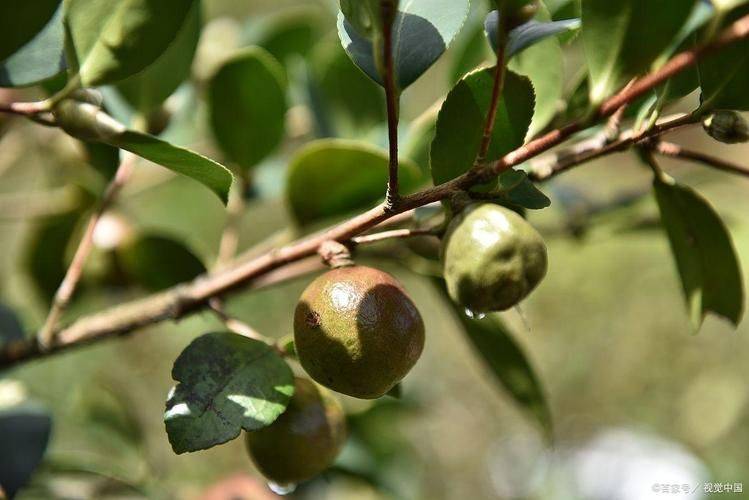
1. Soil physical structure: balance between air access and water conservation
The root system of oil and tea needs to breathe, and water is the worst. Thus, deep (80 cm or more), perturbing, well drained sandy or light sticky soil are ideal options. Such soils can both ensure deep roots, absorb nutrients and moisture widely, and avoid dry roots during the rainy season. Soil slabs or plots with excessive groundwater levels can lead to weakened trees, susceptibility to disease and poor development of fruit。
Soil alkalinity (ph): nutritionally absorbed “gatekeeper”
The most appropriate ph range is between 4. 5 and 6. 5 [3]. Within this range, essential elements such as phosphorus, iron, zinc and manganese are most effective in the soil and are most readily absorbed by root systems. If the soil is alkaline (ph>7), the elements are fixed, the strains are deficient and even if fertilized, they are difficult to absorb, seriously affecting the abundance of fruit and oil synthesis. This is also the underlying reason why it is difficult to scale oil tea in the alkalin soils of the north。
Soil nutrients: agents behind quality
Large quantities of elements: nitrogen (n), phosphorus (p), potassium (k) are basic needs. It needs to be noted, however, that nitrogen fertilizer is not too high, otherwise it can lead to longer nutrients that concentrate on the branches and reduce the distribution of fruit, leading to “big but low oil”。
Micro-elements: this is the "pock pen" that affects the quality of grease. For example, boron (b) is essential for pollen growth and fertilisation processes and is directly related to sit-in rates; zinc (zn) is involved in the synthesis of growers, which affects fruit development; magnesium (mg) is the core ingredient of chlorophyll, which is related to light-cooperative efficiency. Studies have shown that modest additions to trace elements such as boron and zinc not only increase production, but also increase oil-bearing rates and oil acid levels in small amounts [4]。
Organic: soil organic matter is at the heart of soil fertility. It not only improves soil structures and conserves water and fertilizer, but also provides more sustainable nutrients after mineralization. Tea gardens where organic fertilizers are applied (e. G. Decomposed farmers ' fats, tea cakes) tend to produce more pure and fragrance。
Practice revelation: soil formulations, precise fertilization
At the base of the village chief's brand, we insist on fertilizing soil formulas. Each year after harvest, we take soil samples and send them to specialized institutions for testing. Depending on the results and the age of the tree, the ratio of nitrogen, phosphorus, potassium and micronutrients is tailored to avoid blind fertilization. It is sustainable quality that we vigorously promote orchard and grass-planting (e. G., hyenas, purple clouds), not only to keep wet and weeds, but also to produce more fertile soil, increasing soil organic matter and microbiodiversity。
Climate: the hands of time and space and mature “managers”
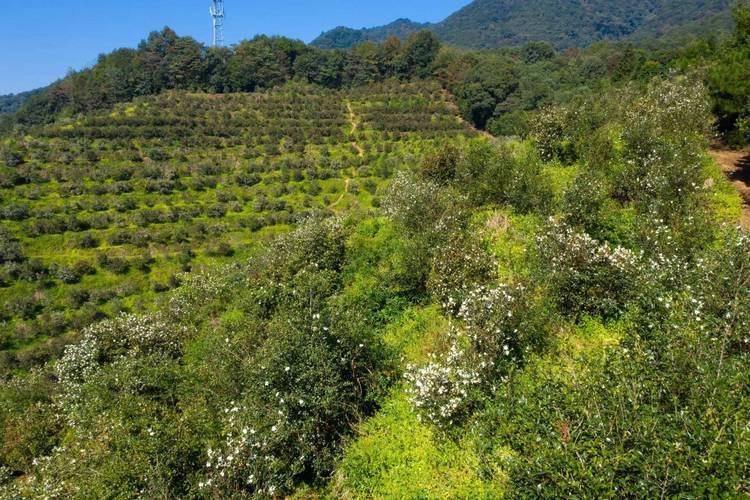
Climate factors, including temperature, precipitation, altitude, etc., determine at macro scales the suitability of an area for oil and tea growth, and finely regulate the annual pace and final quality of the fruits。
Temperature: growth metronome
The tea is suitable for growing in areas where the average annual temperature is 14-21°c. It is sensitive to temperature, particularly during the following critical periods:
Long-term spring (march-april): appropriate temperatures are needed to facilitate new onsets and lay the foundation for the results of the year。
Spectrum dichotomy (july-august): higher temperatures and abundant sunlight contribute to the fracturing of flowers and lay the foundation for flowering in the coming year。
Fruit expansion and grease conversion period (july-october): this period is a critical period for the accumulation of oil resins. The larger day and night temperatures are very favourable. High temperature during the day promotes photocosm and accumulates nutrients; low temperature at night reduces breathing consumption, increases net accumulation and contributes to higher oil-bearing rates. This is also why many high-quality oil and tea-producing areas are located in hilly areas, where temperatures are significantly higher than in plain areas。
Plumbing period (october-december): poaching in oil and tea runs in fear of a continuous cold and cloudy rain or frost, leading to a decrease in pollinating insect activity and a severe impact on sit-in rates. The sudden cold in the hunan-producing region at the end of 2022 led to a significant reduction in production, which i still remember。
2. Humidity: life's lubricant and quality double-edged sword
Oil and tea generally require precipitation of more than 1,000 mm per year and require a relatively even distribution。
Critical period of demand: during rapid expansion of fruit (july-august) and oil and grease conversion (september-october) in case of drought, the result will be a smaller crop, an under-saturated crop and a significant decrease in oil content [5]. As a result, conditional orchards were irrigated during this period (the best drip irrigation) and the effect of the increase in the production of the extracts was extremely significant。
The “unintended pleasure” of hydrocoercion: moderate hydrocoercion (dryland) may, in the later stages of oil resin conversion, in some cases “stimulate” the plant to convert more photocolumn products into oil (rather than nutrient growth) and may contribute to the accumulation of unsaturated fatty acids such as oil acid. However, it requires precise water control techniques, which would be in vain。
Precipice of harvesting: in the months preceding the harvest, heavy rainfall and the wetting of the soil not only discourages operations, but also increases the water content of the fruit, increases energy consumption during the extraction of oil, and increases the moisture and impurities content of the wool, affecting subsequent refining and preservation。
Altitude: a combination of climatic factors
Altitudes create unique local climates by influencing temperature, light, precipitation, etc. Typically, oil and tea grow well in hilly mountains at altitudes of 200 to 800 metres. Too low, too hot for the summer, too high, too hot for the fruits to mature. In a given region, there is a “best altitude belt” where the light, temperature and water mix is best suited for the species to achieve its best quality potential。
Quality differences under environmental factors synergies: for example, “frostseed”
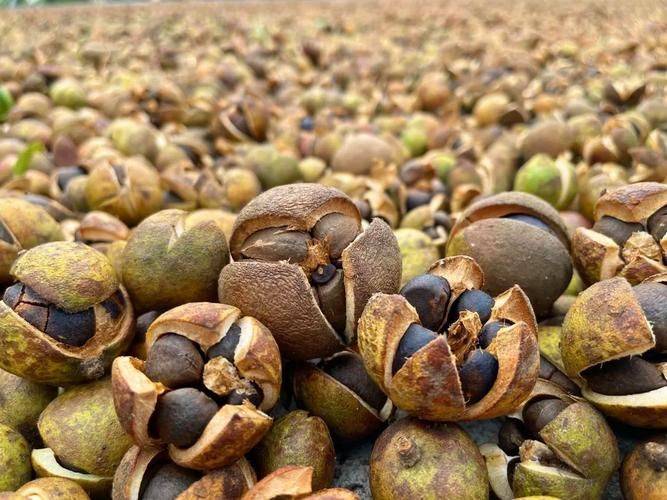
Civil wisdom, which emphasizes the best quality of “frostseeds”, is indeed a perfect example of the synergy of environmental factors. Before and after the frost-down, most of the country's oil- and tea-producing areas are well-literated, with the greatest temperature differential of one year and night and usually dry. Such conditions:
Maximize accumulation of photocolumn products (light, temperature differential)。
Promote the transfer of nutrients from leaves and fruits to seeds (temperature differential signals)。
Reduce the amount of water contained in fruit, resulting in a relative concentration of grease (dry)。
As a result, the high level of oil production, clean oil quality and fragrance are excellent summaries of climate-quality relationships over the centuries。
Concluding remarks
Looking back at this section, we have seen how light provides energy and direction for oily synthesis, how the soil carries every mineral that makes up the wind, and the climate, like an experienced conductor, controls every beat of ripe fruit. A fine variety of oil and tea, whose genetic potential can only be maximized in an environment where light is abundant, earthy and climate-harmonic, eventually condensed into a drop of pure, healthy and aromatic “liquid gold”。
When we understand the shaping power of the environment for quality, we are better able to appreciate the profound meaning of the term “terror”. A good bottle of oil not only encoded genetic information on varieties but also branded the sun, rain and soil memories of the land of origin. This provides a solid foundation for our next section to conduct an in-depth analysis of the internal structure of mountain tea nuts and to explore “where oil is stored”. At the same time, it reminds all industrial practitioners of their duty to natural and scientific management as a necessary way of producing top mountain tea。



