


After the summer, the weather is hot and rainy, and the plants enter the most booming season of the year, with the exception of sanctuaries. However, the high consumption of sauna nutrients by spring sauna leaf extraction, combined with artificial pedals on the surface of the sauna, has led to a decrease in soil sheeting and a decrease in air-transmission performance, which has affected the normal absorption of sauna nutrients in the soil. In addition, because of the heavy rains in the summer, the erosion of soil and nutrients as a result of sheeting, and the peak of outbreaks of pests and diseases, the management of sanctuaries in the summer is crucial. So what's the main job of summer sauna management? Today we will talk together, hoping to give a little reference to our farmers' friends who need it。
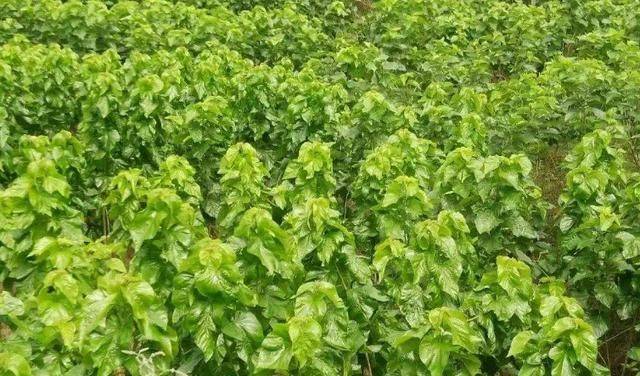
One, it's early in the summer
Summer harvesting is in fact one of the ways in which sauna branches are cut during spring-spring farming, and the leaves cut can be used to feed the sauna. In fact, the summer management of sauna trees is synchronized with spring-spring farming, while the sauna is harvested and the summer cut. The sanctuary is based on the principle that it is desirable and not late, and can generally start around the age of five。
Because of the early and late timing of logging, the rate at which the san branches grow at summer and fall, as well as the production and quality of sauna leaves, are at stake. Usually between 20 may and 10 june, that is, between late may and early june. The late onset of logging can lead to slower growth, poor yields and poor quality。
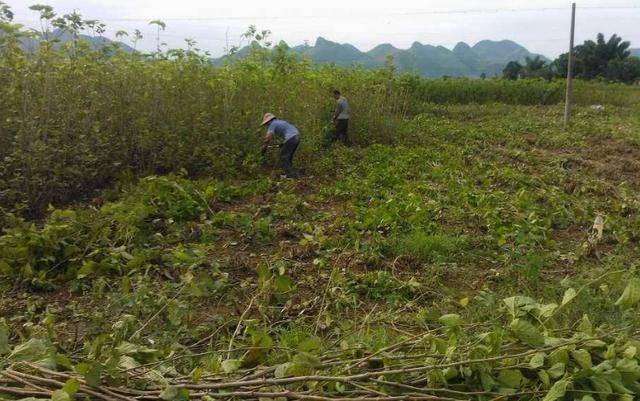
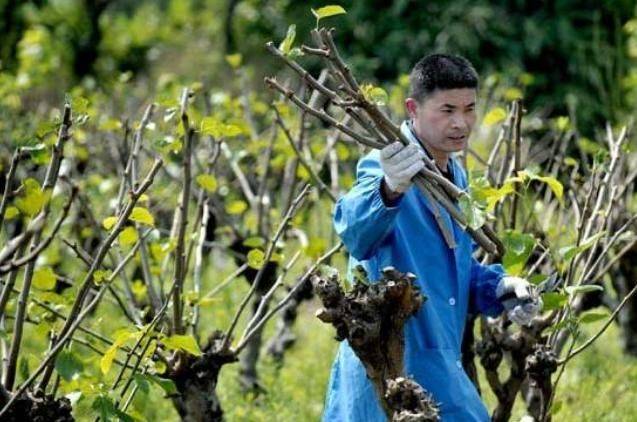
There are currently two methods of production, the first of which is to cut the logs directly back and then to remove the leaf and grazes. The second is to pick sauna leaves before cutting them. For the latter method, cutting is usually done within 2-3 days after the sauna is removed. Cuts should be done at as high a level as possible so as to facilitate the development of tree canopy and tree positions. At the same time, as far as possible, cutting in the rainy weather is avoided, and the flow of cutting fluid is low and the wounds heal quickly. When cutting, care is taken to cut one-time, so that the cut is smooth and so that san trees grow later。
Ii. Sand tree and summer fertiliser
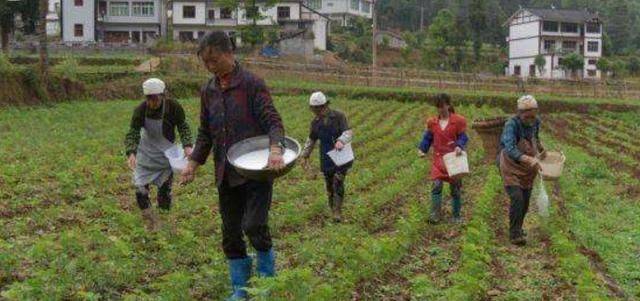
After the san tree harvest, fertilizer is applied in a timely manner. Because of high summer temperatures, heavy rainfall, strong plant growth and particularly high nutrient consumption, if fat water is not fully replenished in a timely manner, it can lead to slow-growing salves, short branches, thin leaves and sub-standard yields. It is therefore necessary to catch up in the summer so that the branches of the san trees are much longer, the leaves are large, of good quality, and the yields are high, so that they can better serve the summer and autumn silk farming。
The pursuit of fat in summer usually takes place twice. The first was to be added in time after the summer season and not more than three days. This would allow the san trees to germinate early and recover as much as possible. The second summer is usually followed by sanctuaries so that the main branches can absorb enough nutrients to grow as quickly as possible. Overall, summer fertilization accounts for 40 ~50 per cent of all annual fertilization. Fertilisation is mainly based on fast-activated nitrogen and is associated with potassium phosphate. There are, of course, a lot of tannery-specific compound fats that can be chosen。
If necessary, or if the sauna is of poor quality, it can also be improved by combining the use of leaf pasta for fertilization in the summer. Usually we use 0. 5% urea, 0. 2% potassium phosphate water solution, either alone or in combination. It would be better to opt for spraying in the dark or in the middle of the sun。
Iii. The contemporation of smoking
Weeding is a very basic and long-term activity in all agricultural processes. The same applies to the management of sanctuaries, especially in summer, where farming and weeding are crucial. When san trees are harvested and felling, they step on the floor of the san garden, leading to soil slabs, which render the aerobics and permeations of the san garden less breathable and are detrimental to its normal growth and development。
Summer sauna cultivation is generally shallow, with depths of around 8-10 cm. This would not hurt the root of the san tree, but would allow the surface soil of the san garden to be farmed, with the aim of defusing the soil and increasing the pore level in order to improve the respiratory capacity of the sank root system and reduce soil erosion and fertility consumption。
Together with work, we're going to do manual weeding. Because summer is a rich season for sanctuaries, and it is also a season for weeds. Weeds must be removed in time to avoid competition for moisture, air and nutrients between weeds and san trees. For weeds on sauna plots, manual removal is the main method, and weeds in the ditches around the sauna can be weededed with chemical agents. Weeding can also be done under conditions of straw cover, although many people in production now use chemical herbicides to remove them directly for reasons of economy. However, frequent repeated use can cause some contamination of the soil。
Iv. Sorghum sprouts are timely
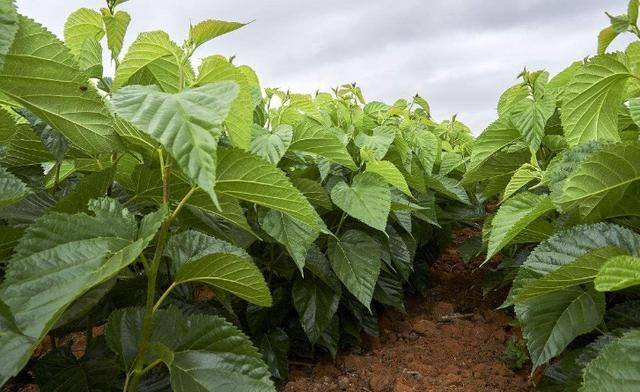
After the sanctuaries, there is a certain amount of sprout management for the new sprouts, which would otherwise be detrimental to the increase in sauna production. In general, sorghum sorghum can sprout, concentrating nutrients on the main branches, focusing on the cultivation of rational tree structures, reducing the unnecessary consumption of nutrients and avoiding some sprouts competing for nutrients, thereby truly increasing the productivity and quality of commerce。
The principles of sanctuaries are: to be strong, to be thin, to be flat and in an appropriate number. The sprouts are generally not too early, but not too late. It's too early for that. It's too late to overconsumption. Under normal circumstances, it usually begins to sprouts when the san trees are fresh and grow to 8-10 cm. If the first one is clean, it can be replaced by another seven to ten days。
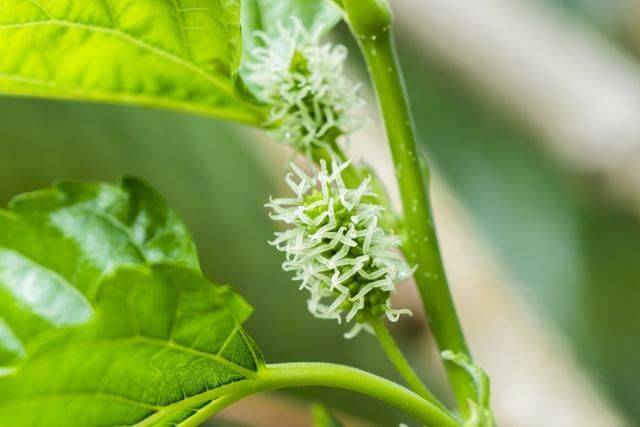
The number of sanctuaries is determined on the basis of the local planting environment and the variety of sanctuaries. As a rule, approximately 7,000 to 8,000 pieces per acre are left. If a thousand sauna trees are planted per acre, 7-8 sauna trees can be kept per acre. The main branch with a diameter of more than one centimetre chooses to keep 4-5 strong buds, and on the branch with a diameter of about one centimetre, to choose 2-3. In addition, depending on the circumstances of the situation, it may be possible to choose to retain one or the other in a thin branch, but in a better position。
V. Science for sauna pest control
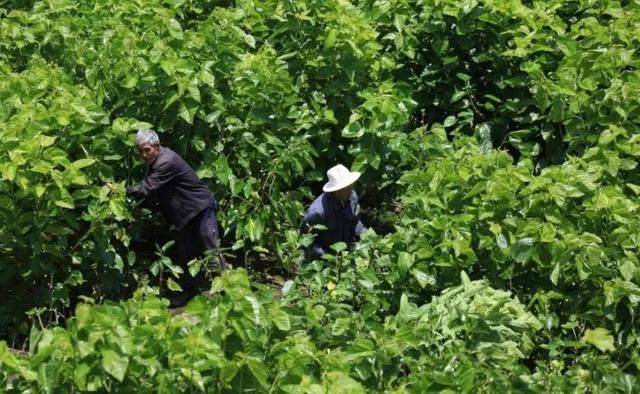
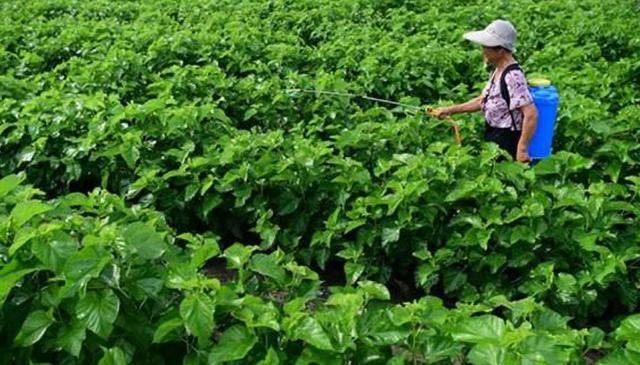
Summers are hot, heavy rains and high temperatures, and it is the season when many diseases and pests are high. After sauna, sauna, sauna, sauna, etc., there will be a significant hazard when the bud grows. When the new ones grow, leaves-eating pests, such as sauna, sauna and wild silks, explode. In addition, diseases such as sanctuary and sanctuary diseases are common. If the weather is warmer and dryer, care must also be taken to combat the effects of salsin and mites pests。
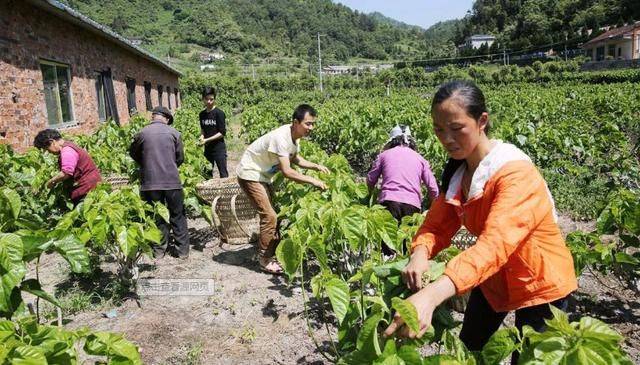
As a result, 50% of the acetamine phosphorus 1,500 times the fluid can be used after sank trees, or a mixture of 80% of dichlorvos and 50% of octhion 1,000 times the fluid can be used to spray sanland and effectively combat pests such as sanphids and sauna. Using 80 per cent of the dichlorvos 1000 times the fluid or 40 per cent of the fruit 1000 times, the sanctuary sprouts are sprayed with a maximum of sanctuaries, which can effectively combat the pests that endanger the leaves。
In addition, for other pests and diseases, suitable pesticides can be purchased in agricultural establishments for scientific control. Drugs must be used strictly in accordance with operational instructions and with care to protect themselves personally. If the pests are severe, they are sprayed again three to five days after one spraying. The spraying must be carried out in a balanced manner, not only with the dry sank, including weeds, floors and ditches around the sauna。
Six, the sauna canal has to be renovated
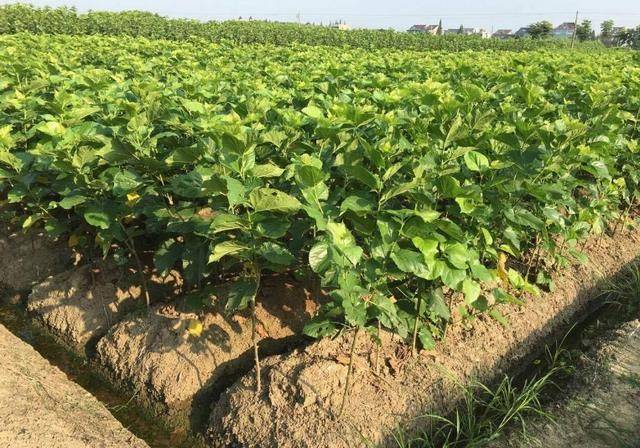
After summer, the rains are increasing. In particular, as in this year, rain began in may and continues to this day, throughout the yangtze river and the vast sanland plantations along the river wei river, there have been heavy rains and flooding, especially in low-lying and poorly drained sanctuaries, which can easily cause water accumulation and affect the growth of san trees. As a result, during the summer, it was important to renovate ditches in the course of the sauna management。
Usually we use the sun or the rain break to clean up the ditches in the sanctuaries and take the groceries out of the park to avoid congestion. It would be preferable to establish rational drainage and drainage systems that, when heavy rainfall is available, release excess water in time and irrigation in time when drought strikes。
In general, these six tasks must take place during the summer management of san park. The principle to be followed is that it is scientifically sound and integrated to ensure the normal healthy growth of sauna trees, while maximizing labour savings, increasing labour efficiency and reducing production costs while increasing the productivity of farmers in order to maximize benefits。



