


As an economic plant, sanctuaries can be cultivated through both sexual and non-sexual reproduction. But in practice, however, there is a risk of an abnormally or poorly grown death. As a result, how to improve the survival rate during the planting of san trees has become one of the issues of greatest concern to sanon friends. Today, let us talk about what needs to be done to improve the survival rate of sanctuaries, and what can be done to effectively improve the low rate of sanctuaries in the dry areas of winter and spring, and hopefully provide some useful help to those who need it。
I. The quality of the trees is the key to the survival of the trees
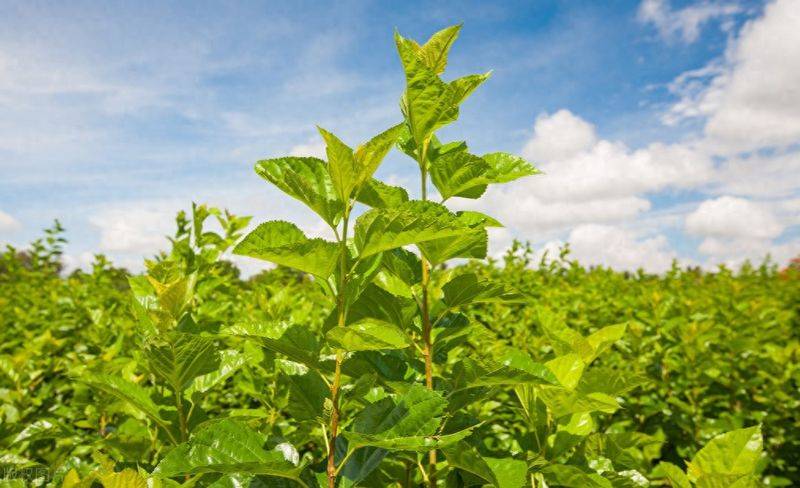
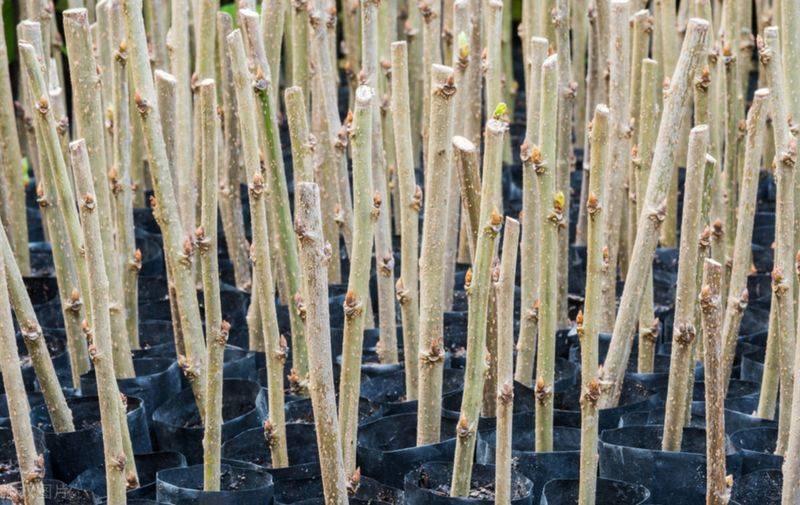
The quality of sanctuaries, planted in production practices, is a key factor in improving survival rates. Even where planted sites, the climate environment and other factors are ideal, there is no way to grow if trees are of poor quality. Usually we have to choose a healthy and strong seedling. Apart from the fact that the root parts of sorghum are more than 7 mm, the rate of survival is high。
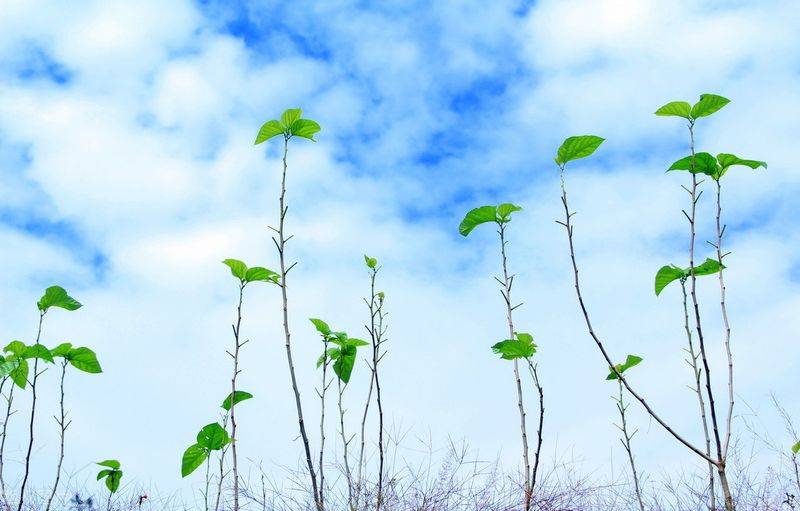
At the same time, when choosing san trees, it is important that they be adapted to local realities. For example, in guangdong guangxi, where the climate is mild and the rainfall is abundant, the choice should be made for large leaves, thick leaves, maturation, growth, water-resistant fertilizers, and high-yielding varieties such as gui sang yeo 12, gui sang yeo 62, north zone 1. In the area of the jiangsu zhejiang, the climate is relatively mild, the rainfall is moderate and the soil is fertile, and high-yielding and disease-resistant varieties, such as the countryside, san14, hunsang32, hunsang199 and kiryu, are needed。
The terrain of sichuan and chongqing regions is relatively complex, and if in the arid regions, the drought-resistant, medium-yielding varieties, such as small crowns, penthouses, etc., should be chosen, and if in the more fertile areas, the excellent varieties of kamah 16, westinon 6071 and south one, should be chosen. Only by choosing varieties suitable for the local growing environment in different areas can the rate of sanctuaries be truly increased and high-yield quality achieved。
Ii. The impact of sanmoo transport storage on survival rates
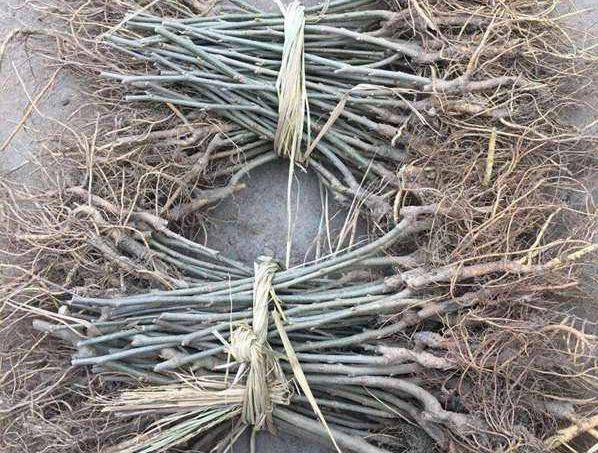
As we all know, the central and downstream areas of the yangtze river, such as the jiangsu zhejiang, are important areas for the cultivation of sauna trees, and many of the western ripples are transporting sauna seedlings from places such as zhejiang when new sauna are being built. However, in the case of long-distance transport, inappropriate treatment of sorghum results in varying degrees of drying up of seedlings, leading to low survival rates of sorghum plants. Therefore, in order to increase the survival rate of san tree planting, it is important to focus on the sanctuary transport storage process, to be as well packaged as possible and to ensure that the quality of the trees is not affected. In general, if long-distance transport takes place, the sorghum is then classified according to its size and then divided into 50 and 100 or 200 bundles according to different levels。
The roots of the sanctuaries and the saplings should be split in half at the time of bundling, and at both ends they can be wrapped together with straw and transported with rope. Straws can be wet, especially outside the roots, by covering them with membranes or grass mats, so as to avoid the drying up of sanctuaries during long transport. As far as possible, during the transport, it should be carried out in a fast and fast manner, avoiding heavy pressure or sun and rain, and should be inspected and planted in a timely manner upon arrival at the destination. If sanctuaries are dried up to varying degrees, they can be transported to their destination for 12-24 hours and then placed in cold places, so that the sanctuaries can absorb as much water as possible and increase their survival after planting。
The choice of the time and method of seedling planting is equally important
Sanctuary planting usually occurs before the spring of the second year following the fall of the sanctuaries, when sanctuaries are dormant, with more nutrients stored in their bodies, less water evaporation and easier to survive. In the middle-downstream of the yangtze river, planting is generally most appropriate in mid-december. However, in the colder regions of the north of the country, where the soil is frozen earlier and planting is often difficult to survive during the winter season, the choice should be made to move before the san trees germinate after the soil is unfrozen. In the case of dryer areas in winter and spring, planting should take place before the san tree sprouts in spring, with a proper depth in order to reduce the loss of water in san tree roots。
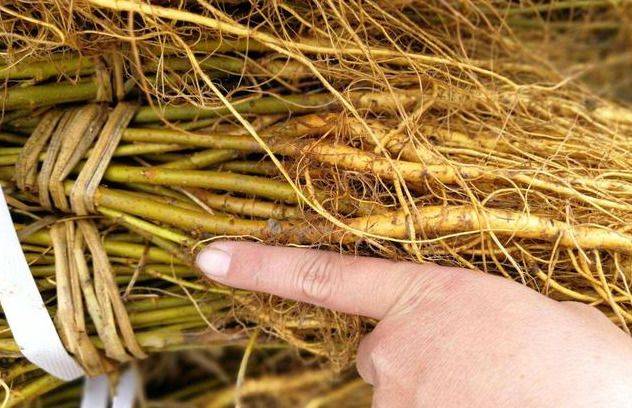
In practice, trees are planted in the north in order to rob the soil before it is frozen. It usually starts in mid-october. However, at this point in time, when the weather is relatively warm, when the somber is not fully leafed, when the fluid flow is strong, it is too early to grow and has a certain impact on the survival of the plant. However, if the planting takes place in the spring, the sorghum sprouts are particularly rapid because of the rapid recovery of temperature, and if it is not planted in time, it also affects survival rates. Thus, when planting in the spring, it is usually necessary to artificially plant the trees and to protect the roots of the sanctuaries from dry rots and frosts, as well as to pay timely attention to irrigation for the purpose of living。
The root line of the sorghum should also be trimmed and organized prior to planting, and part of the long roots or curls should be churned together, even the broken parts, so as to avoid the deterioration of the sanctuaries. The normal whole root system should be maintained as far as possible and, if the root system is cut too heavily, it is very detrimental to the active growth of the trees. • placing san tree seedlings in lime water of 2% to 5% for 5 to 10 minutes, which can be sterile, thus effectively increasing the survival of sanctuaries。
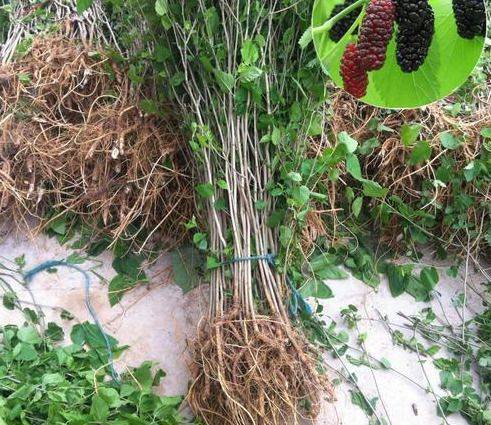
Iv. Post-sampling management
When san trees are planted, it is dependent on the management of the field after planting. In the case of arid areas, irrigation is more difficult and can be implemented once planted and then covered with membranes. This would reduce the evaporation of surface moisture at the san park and maintain the relatively moist soil, which would significantly increase the survival rate. For areas where drainage is relatively easy, appropriate water is to be distributed according to soil drying and local climatic characteristics. If the rainfall is particularly abundant, care must also be taken to drain water so as not to cause flooding。
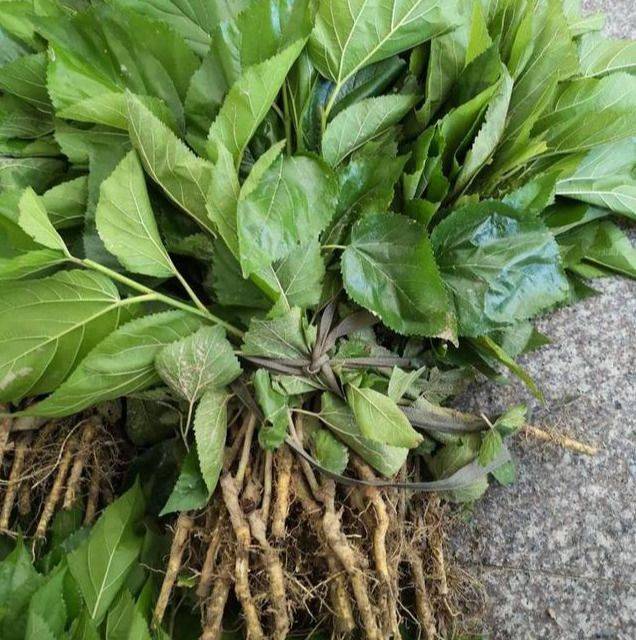
At the same time, when san tree seedlings are planted, it is possible to properly cover the ground topsoil of the san garden, so as to level the pine and remove the weed waste, ensure the laxity and aerobic properties of the soil, facilitate the normal breathing of the sanctuary system, grow in favour of the activity of organic microorganisms in the soil and improve overall nutrition. However, when farming the soil, care must be taken to avoid causing san tree saplings to waver and damage to humans and animals. Since sank seedlings are not fully grown after they have been planted, the roots are not fully integrated with the soil and, if shaken, they can easily die because they cannot absorb nutrients in time. We can also cut off some of the seedlings planted before the spring san trees are sprouted, which will also contribute to their survival。
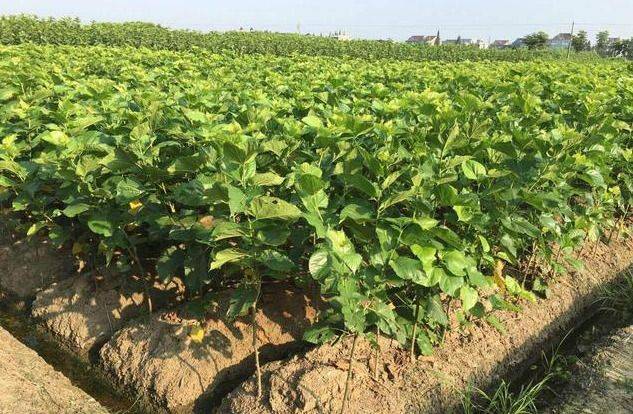
In addition, in some more arid areas, where irrigation is not available, every effort should be made to plant sanctuaries during the rainy season, thus contributing to their survival. However, if the option is to plant in the rainy season, it would be preferable to plant the seedlings in situ, as they are in the production of the trees at this point in time, which, if transported over long distances, can easily lead to their death. And when planting, it is important to remove the leaves above the sauna and to retain only a small number of leaves, which will reduce the evaporation of the sauna and reduce the consumption of moisture and nutrients, thereby preventing its death and increasing its productivity。



