


A summary selects seeds with well-saturated and well-specified particles, which are tanned in the sun during the middle of the sun, and which are rolled over from time to time to ensure that every seed is tanned to the sun, and that the tanned seeds are rinsed in hot water about 55-60 °c for about half an hour and then immersed in a container with warm water around 20-30 °c, followed by seedlings at about 25-35 °c, which can be sowed when the seeds grow to about 1-2 mm。
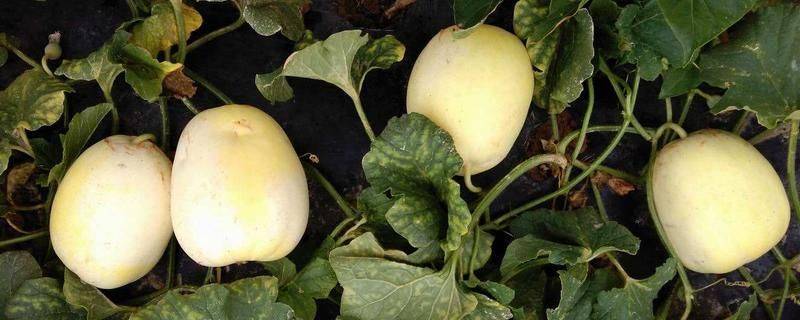
The sweetness of the melons is one of the fruits most consumed by our people during the summer and one of the fruits that we have grown on a large scale. They are of a variety, such as the guacamole, the platinum, etc., which are non-useful, and which have the effect of cooling, vomiting, dehumidizing and yellowing。
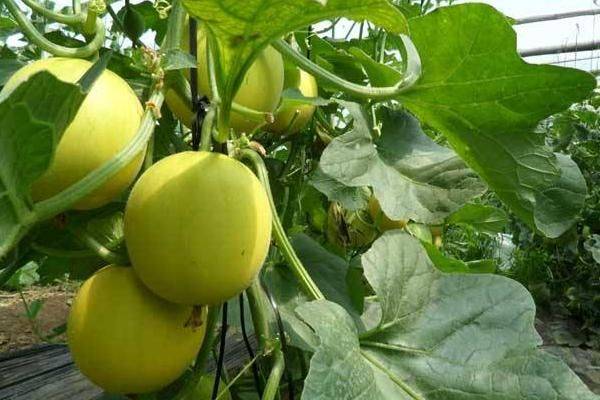
The method of planting melon seeds
Selection: seeds ready to sow are selected in a clean location, preferably with full particles and consistent specifications。
B. Sunshine: the sun is full, the selected seeds are spread evenly over paper or grass mats for some time, and they are rolled every other time to ensure that the seeds can get to the sun。
3. Decontamination: put tanned seeds in hot water at 55-60°c, gently stir the water in the same direction with hands or other tools. If the water cools down, new hot water needs to be injected, ensure that the water temperature of bubble seeds is between 55-60°c and that the seeds are leached in half an hour。
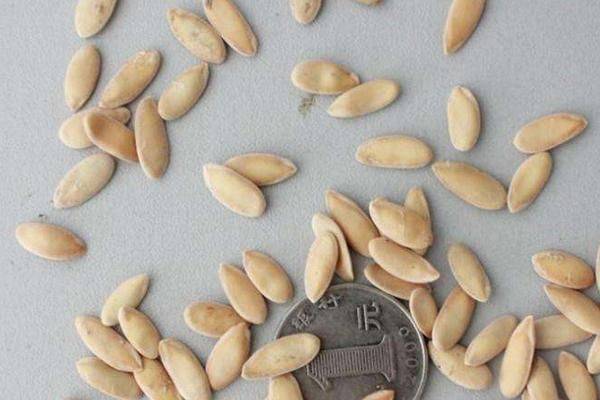
Absorption: seeds after disinfected dry asphalt are placed in a container, warm water of 20-30°c pours the seed into a larger container for about five to six hours, rubs out the glue on the seed and washes it clean。
5. Drumbs: immersed seeds dry the surface moisture, wrap them in wet cotton cloth, then put them in plastic bags, seed them at temperatures around 25-35°c, and soak them when their embryos reach about 1-2mm。
6 cultivation: the seeds that are sprouted place each of them in a nutrient-containing earth-nutrient and then in the fruitlands where they are grown for membrane breeding until the seeds grow into seedlings before screening them according to their state of growth, leaving them to grow better。
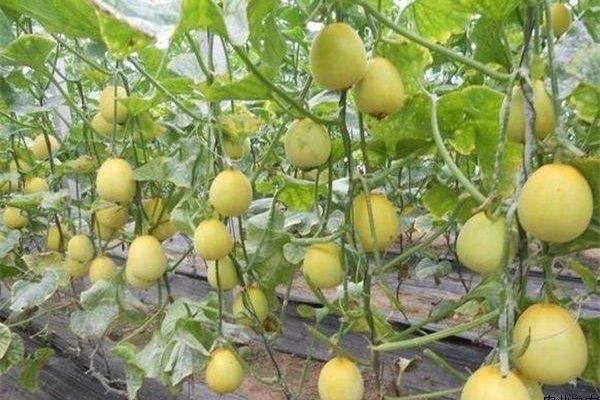
The growth of melons
1 soil: the deep, rich organic, fertile and gaseous border or sandy border soil is the most suitable soil for the growth and development of melons, usually with a solid phase, gas phase and liquid phase of one third。
2 humidity: melons are drought-resistant but not flood-resistant and cannot be sown with too much water. If too much rain causes too much water to be accumulated, they are removed in a timely manner. They have very shallow roots, higher requirements for growing soil moisture, not high requirements for moisture in air, and it is appropriate to control the relative humidity of air in general at around 50 per cent。
3. Temperature: 18-25°c is the temperature suitable for the growth and development of melons, 22-25°c is the temperature suitable for their flowering results, and they are more resilient to the environment and more resistant to hypothermia。
Light: cultivating melons requires sufficient sunlight, with a minimum of 10 to 12 hours of sunlight per day, which can be maintained at 14 to 15 hours/day for a long period。



