In the spring, tomatoes are grown, and beginners are most likely to make a mistake: once the seedlings are planted in the soil, the buckets are poured up. It is always felt that “more water to survive” is counterproductive — seedlings slow, rotten roots, yellow leaves, and even death. For half a month, it was empty。
In fact, for the first few days after the tomatoes were planted, the water was not as hard as possible, but rather “sustained” to feed. Remember the four big white words, and hold on to these key nodes so that the tomato plant can take root and grow, from spring to late autumn, with fruit and fruit running out, with no care。
First sentence: "don't pour it in the day after planting."
A lot of people grow tomatoes, and when they plant the seedlings in the soil, they rush into the water, and they think it's going to hold the roots tight. But the opposite is true, when the water pours out the air from the soil, the roots are in the dust, and there is no way to breathe, and it will rot over time, commonly referred to as “the root”。
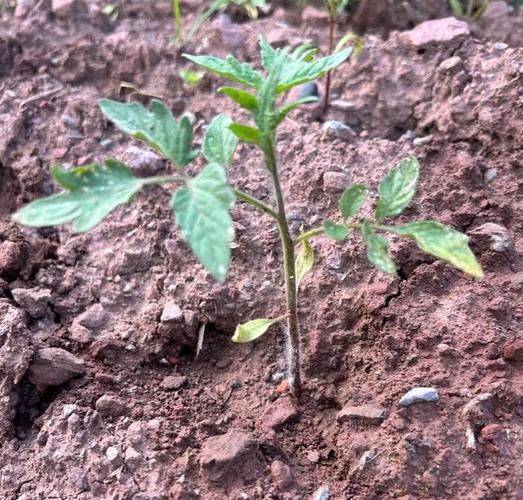
The seedlings that have just been planted are themselves fragile, at a time when there is no need for excessive moisture, but rather a dry, air-breeding environment in which it is “puzzled” to take root. The correct approach is to plant the soil lightly with hands and to ensure close contact between the roots and the soil, but never water the same day. If the soil is dry enough, only one round of water will be sprayed along the root with a canteen, so that the surface soil can be wet and no heavy water can be poured。
This is called “crawling”, the purpose of which is to allow the roots to plough down and search for the moisture and nutrients of deep soils. The roots are steady, the later the dry, the flood, and the fruits are big and sweet. After two to three days of planting, the soil dried up slightly, and the “deep root water” was poured over again, so that the water reached the root distribution layer, which then entered a long water control period。
Second sentence: “wet-seeing is the iron law, so don't be lazy.”
The core principle of watering is “dry and wet” when tomato seedlings begin to grow again after a period of immersion. Many people are in trouble, either pouring water for three days and the soil is wet, or for 10 and a half months without water and drying up. Both approaches must not be allowed。
The phrase “dry and wet” is white: it is two to three centimetres into the soil with its fingers, and it is felt that the soil is dry and then watered, which must be watered until water is released from the bottom of the pelvis (the soil is humid into the soil). Such rhythms ensure that the soil is both water-borne and air-based and is always healthy。
It should be noted, in particular, that the temperature rises rapidly in the spring, but that the temperature is high sooner or later, and the soil evaporates slowly, and it is important not to pour several times a week. The frequency of the water should be adjusted flexibly to the state of the soil, with a 5-7-day planting, which is sufficient because the soil is small and evaporated, and a 3-5-day examination of the soil. Long wet soils are prone to fungus, causing disease and growing tomato seedlings, with no fruit but leaves。
Third sentence: "flowtime water for pollination, fattening after fruit."
The flowering of tomatoes is the most critical phase in the entire growth cycle, when water must be “controlled”. If the flower season is overwatered, the soil is wet and the pollen particles swell, they lose their capacity to pollinate, which directly leads to the flowering fruit, which is not available for half a day。
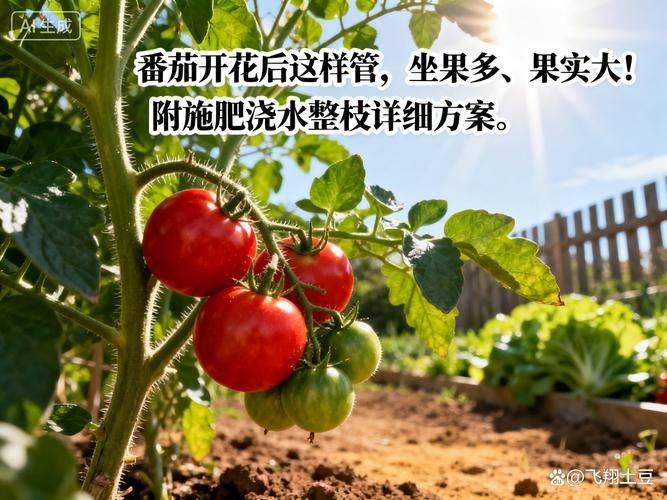
As a result, tomato flowering must be properly managed to keep the soil dry, so that the plant produces a sense of “crisis”, which in turn promotes pollination. When a tomato is seen sitting in a fruit, the little fruit grows to the size of a walnut, it can end water control and enter the normal management phase of hydrofertilizer。
This is a period of rapid expansion of the fruits and a sharp increase in demand for moisture and nutrients. It restores the normal rhythm of “dry and wet” and is accompanied by thin phosphate fertilizer, such as decomposed chicken dung, potassium phosphate solution, which is applied every 10-15 days to keep nutrients and moisture in line, so that fruit can expand rapidly and grow evenly and yield will increase significantly. If water is kept under constant control at this time, the fruit will grow small and deformed and have a poor taste。
Fourth sentence: "absolutely less nitrogen at the end of the outcome, and a strong root to fall."
Tomatoes range from sitting fruit to maturity, have a longer cycle and grow in the spring, and can continue until the frost falls. But by the end of the day, many people will be fertilizing at an earlier pace, or even fertilizing with nitrogen, resulting in premature plant failure, early maturity, loss of fruit and failure to eat the frost。
As a result, the absorption capacity of the roots of tomatoes was gradually reduced at a later stage, at which time the use of nitrogen fertilizer was reduced. Nitrogen fertilizer can cause the plant to grow wildly new leaves, take the nutrients of the fruit, slow-growing late-stage fruit, decrease its taste and become prone to fissures. The correct approach is to reduce the frequency of watering, maintain soil drying, apply fertilizers based on potassium phosphorus fertilizer, with a few organic fertilizers, with a focus on the development of the remaining fruit。
This will allow the fruits to mature slowly, achieve optimal levels of sweetness and taste, while extending the outcome period to allow tomatoes to hang the fruit until the fall of the autumn frost. Many people grow tomatoes only in the early summer, because later management is not up to speed, so that they can easily eat the frost。
I don't want to ignore these three details except for the mouthpiece
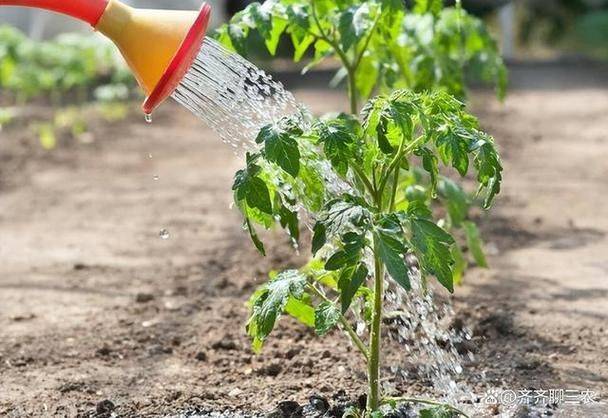
1. The timing of the watering is right: at any stage, the watering takes place in the morning of the sun, at which time the temperature rises, and the soil rises rapidly after the watering and the roots are not irritated. Water is strictly forbidden in the evenings, with low temperatures at night and slow evaporation of soil water, which can easily lead to rotting roots and disease。
Watering avoids root flushing: watering of tomatoes is done as far as possible along the roots and does not go directly into the tubing leaves, especially when there is water on the leaves, exposure to sunlight and easily burning leaves, and is also prone to foliage. The plant can be watered in shallow ditches and the plant can be watered directly in the root soil。
3. Timely drainage after rain: in the spring, when heavy rains occur in the field of tomatoes, it is necessary to clear the drains in a timely manner and to drain the excess water out of the water so as to avoid root water accumulation; the plant is required to dump water in the tray in a timely manner to prevent stupor. The soil pine can be given, as appropriate, after the rain, to increase air permeability。
Tomatoes, as simple as they look, are grown at every step. When planting in the spring, do not rush water, so that the four mouths will be locked and fined, from seedlings to sit-in fruit, to later management, and close to each other, the tomato plant will grow。
Instead of enviing others in the tomato shed, we can eat our own tomatoes from spring to late autumn, with their own fresh tomatoes grown four seasons a year, as long as we manage the water flow and management points。