


Tomatoes (sand tomatoes, tomatoes) are one-year herbivores. They are common foods for “national” foods in the north and south of the country. They are sour, juicy and nutritious. They contain minerals such as vitamin c, tomato erythmus (natural antioxidants), food fibres and potassium and calcium. They are suitable for raw foods, fracking, fried eggs, soup and sauce。
It is highly adaptable, has a very warm and radiant, short-lived growth cycle, can harvest more than once, can grow three seasons in the northern spring sheds, autumn fields and winter greenhouses, has been grown over four seasons in the south, has a limited growth cycle of 90-110 days, has an unlimited growth range of over six months, is managed as a single-mounted fruit of 20-30, has an unlimited growth capacity of more than 50, produces 6000-10,000 pounds of field acre production, produces 15000-2000 pounds of mackerel acre production, has a market price of 2-8 kyats (a much higher price for anti-season, cherry tomatoes) and has an acre income of 12,000-16,000 dollars, which is a highly profitable product of “high-yielding” family vegetable gardens, and farm-scale。
The core pains of tomato cultivation are fissures, umbilical morbidities, flowering fruit, and the high incidence of late disease. Many beginners have grown tomatoes, “fruit of fruit cracks, umbilical umbilical rots, flower blooms and leaves, black-leaved leaves” because of water fertilizer management, whole-stamping and poor pest control
This national plan of action, from the choice of varieties, the planting of seedlings to the top of the whole tree, and the preservation of the flowers, will help you grow high-quality, fruit-shaped, sour and juicy tomatoes
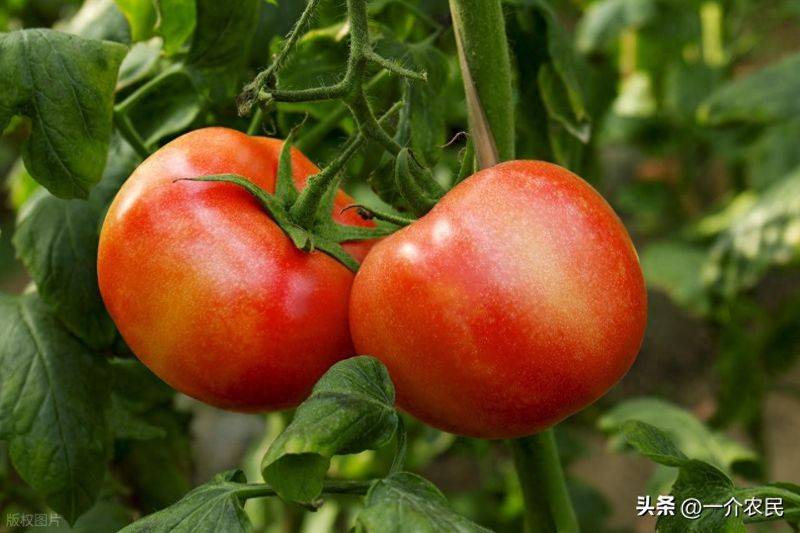
I. Recognition of tomatoes: “growth codes” for high-yielding fruit and vegetables ii. Multicropping in the north and the south: time + precision of varieties
Tomatoes are divided into limited growth types by type of growth (prematurely prepared, suitable for balconies, northern spring and premature) and unlimited growth types (high production of chickens, suitable for large sheds, open field production); large fruit tomatoes by size of fruit (200-300g per fruit, suitable for fresh cooking) and cherry tomatoes (10-30g per fruit, suitable for raw food, potting), with preference for cold-resistant varieties in the north and a combination of heat-resistant varieties in the south。
Northern (north, north-east, north-west) 2. Southern (south, east, south-west) 3. The balconies exclusive programme (north-south)
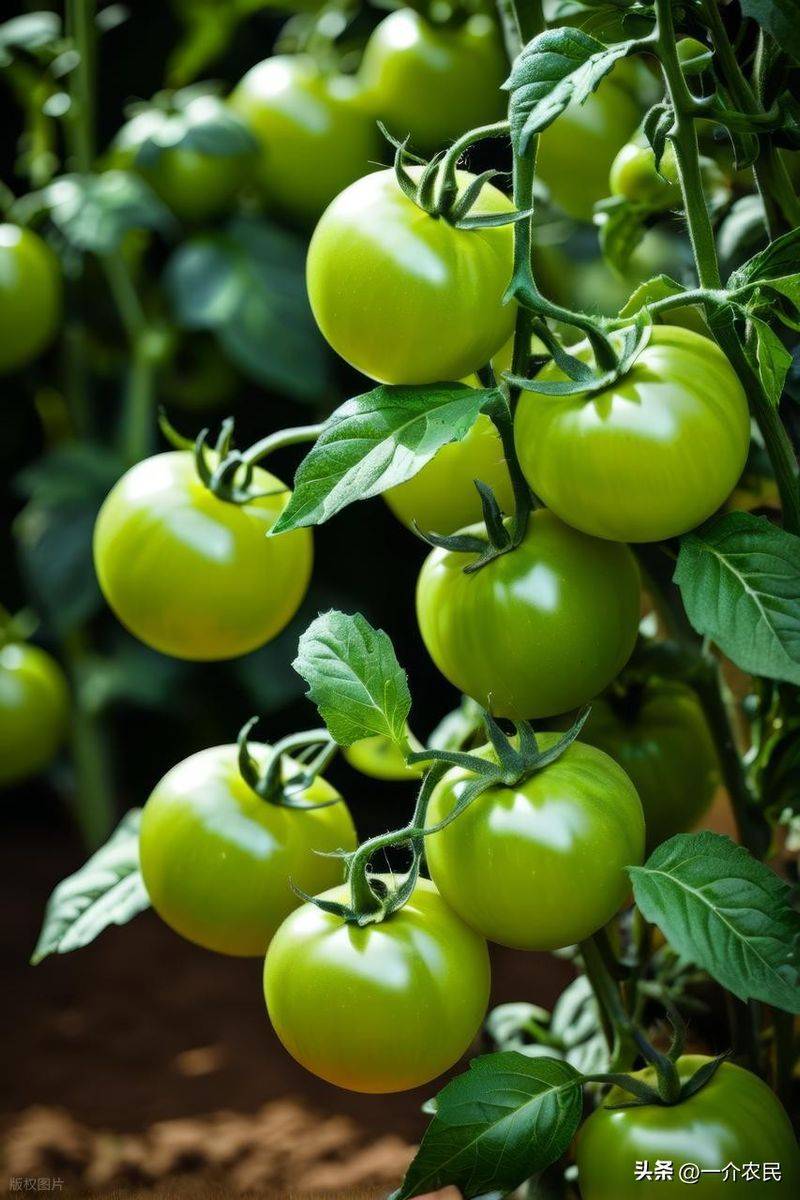
Iii. Complete transfer technology: from seedling to harvest, the newer's zero-failure step 1: seedling (breeding, protection against high-foot seedlings)
Core principle: tomato seeds have a high sprout rate (80-90%), but during their breeding period they are transvestite and need to control temperature and light and to cultivate “dumpling” (bone thick, leaf thick, roots developed)
Step 2: plantation (reasonable planting, high-yielding base) step 3: field management (fracking fruit, umbilical disease, flower key)
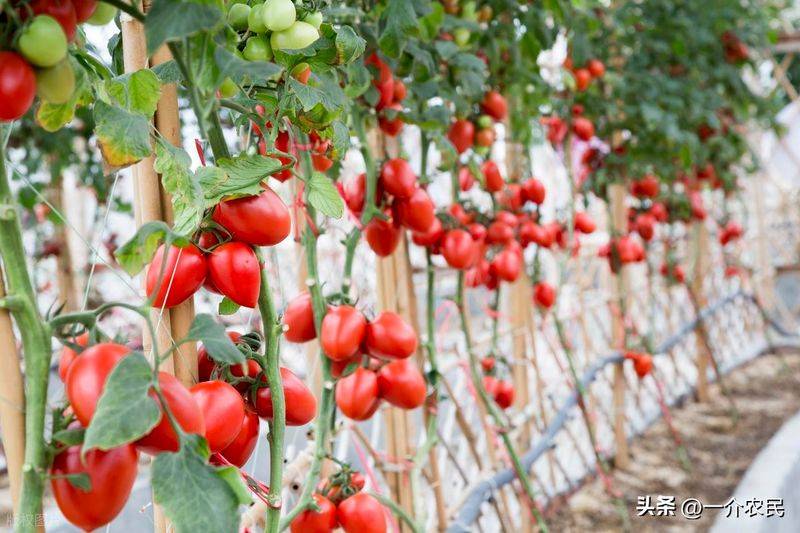
Pest control: avoiding fissures, decay, fallows, etc. 1. Physical problems (non-pesticide treatment, priority prevention) 2. Reasonable diseases (focus on control) 3. Pest control v. Harvesting and economic benefits: 1. Timing of harvests and methods 2. Economic benefits (national reference) vi. Domestic pit avoidance techniques: newcomers must look at the core points of review and recommendations for action
Core points: the key to tomato cultivation is “breeding strong seedlings, rational planting, whole-stuffing, balanced water fattening, calcium fracking”, avoiding dry and wetness (fissile-proofing), excessive temperatures (facility-proofing), conjunctivation (infection-proofing), limited growth patterns suitable for early harvest, unlimited growth for high-yielding cultivation, and management of 20-30 single-planted fruit
Proposals for action:
Tomatoes are “high-yielding fruit and vegetables” grown at home, and pests and pests can be controlled, managed flexibly, and harvested for long periods of time, with good harvests for both balcony and yard planting. With the three cores of "water manure management, whole branches, calcium protection", freshmen can grow high-quality, fruity, sour, juicy tomatoes to meet the daily food needs of their families



