


Cultivating mustard blues ( mustard orchids) is the key to success in selecting the right species and planting the right species over time. In management, it likes to eat well and drink well, and it's very delicate in the management of water fertilizer. Mainstream varieties and suitable seed times
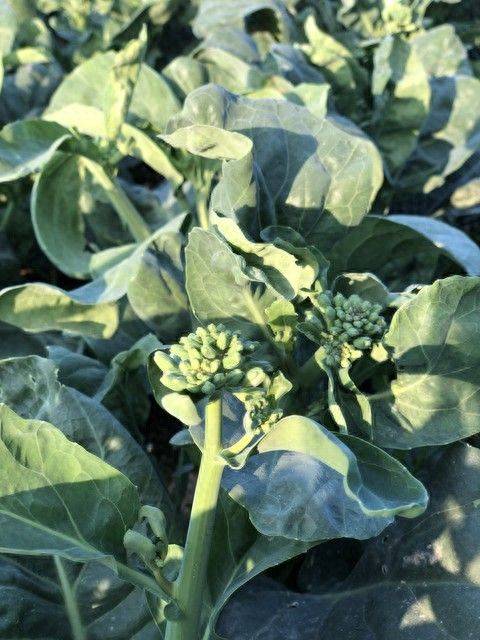
In selecting varieties, you must first consider your area and the planting season. The following table summarizes some of the best performing and dominant varieties and their characteristics:
Autumn mustard blue
• main characteristics: guangdong-dominated varieties, disease-resisting and stamina quality。
• suitable area/season: guangdong, etc., autumn winter (e. G., planting in guangzhou in august-november)。
Zachlan
:: main characteristics: hybrid generation, pre-maturity (45-51 days), flood resistance。
• suitable area/season: guangdong et al., autumn。
Green mustard blue
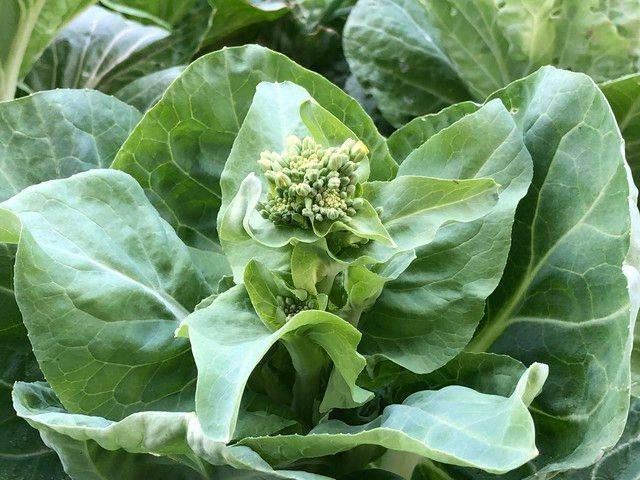
• main characteristics: hybrid generation, strong resilience, high productivity and mixed harvest。
• suitable area/season: south china, spring (february-march) or autumn (august-november)。
Four seasons of mustard blue
• main characteristics: medium and late ripening, wide adaptability and wide temperature range (6-35°c)。
• suitable areas/seasons: a wide range of adaptations, such as guillin seeding in august-december。
Key planting steps and management elements
After selection, the following steps can be taken:
1. Cultivation
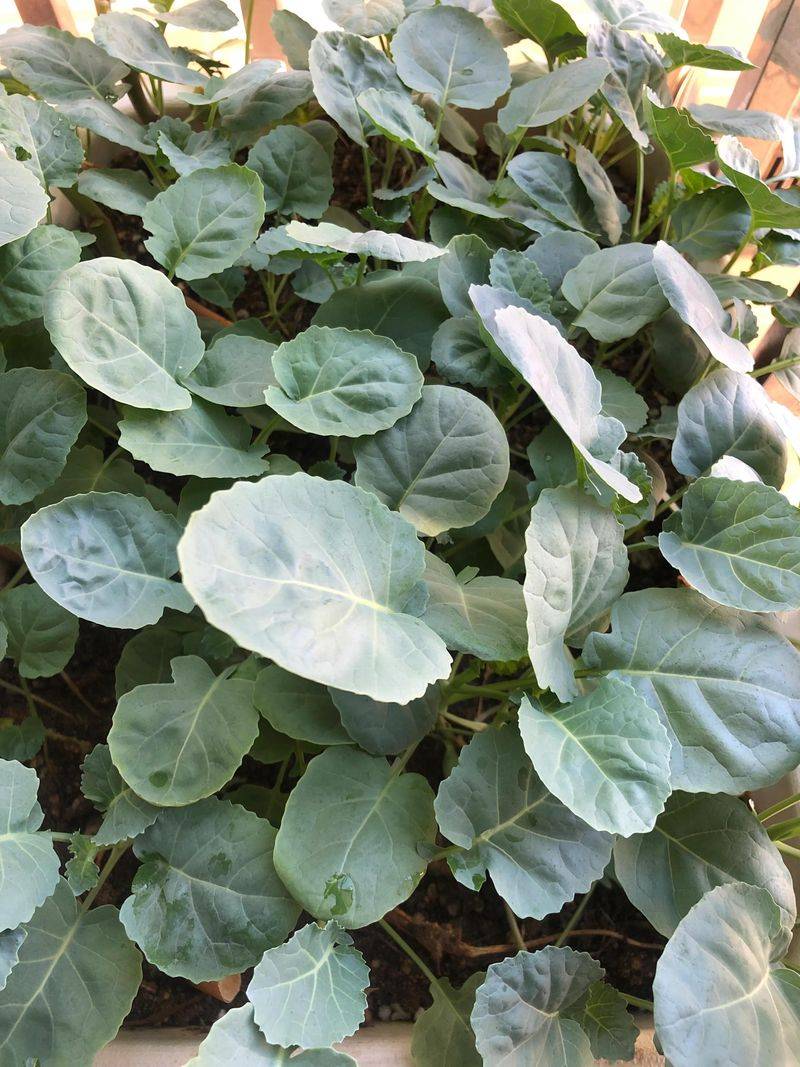
• modalities: it is recommended that seedlings be relocated to foster seedlings and save seeds. The seedling age is typically 20-30 days and can be established when 4-6 leafs grow。
:: shrimp management: keep the soil wet and, when seeded, properly control the hydro-protective length. One or two thin fats can be applied. During the summer, the seedlings watch over the sun。
2. Landing
• land selection: selection of soil-rich, easy-to-drink plots and avoidance of cross-bouquets such as cabbage and heart。
• fashion-based fertilizer: 1000-2000 kg of fertilizer per acre per decomposed farmer and appropriate compound fertilizer。
:: cultivation density: adapted to varieties. Premature or compact varieties (e. G. Mustard blues in the autumn) range approximately 17 x 20 cm; medium- and late-term mature varieties (e. G. Four seasons mustard blues) can be expanded to 20 x 30 cm. Approximately 10,000 to 12,000 plants per acre。
Fertilizer management: this is at the core and requires a mastery of the principle of “doing with diligence”。
• post-plantation: about seven days after a slow seedling, the first fat hunt begins, mainly with nitrogen fertilizer (e. G. Urea) to promote growth。
• medium-growth (pre- and post-rest): increase in the amount of fertilizer that can be applied to compound fertilizers and promote vegetable growth。
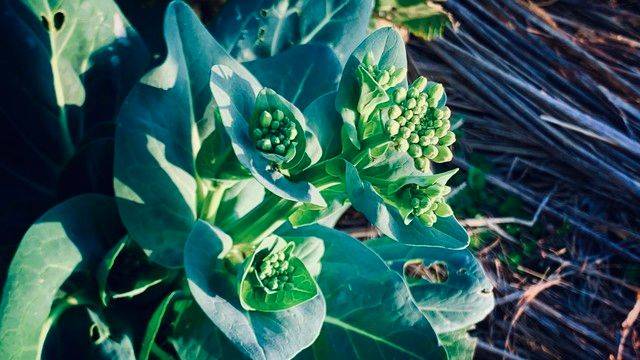
• harvesting period: 2-3 days after each harvest of the main or sidebar, until the wound is healed and fattening up once in a timely manner to promote subsequent sidebarging。
• water: keep the soil wet and avoid drought or water accumulation. Watch out for ventilation after watering and lower humidity。
4. Insect and pest control: prevention is the main focus。
:: main diseases: frost, black, soft. Watch out for rotation, drainage after rain, and timely removal of disease strains。
• major pests: yellow strips, moths, larvae, etc. Physical control such as anti-worm nets, cedars, or biological pesticides and low-toxic chemical pesticides can be used in alternate uses。
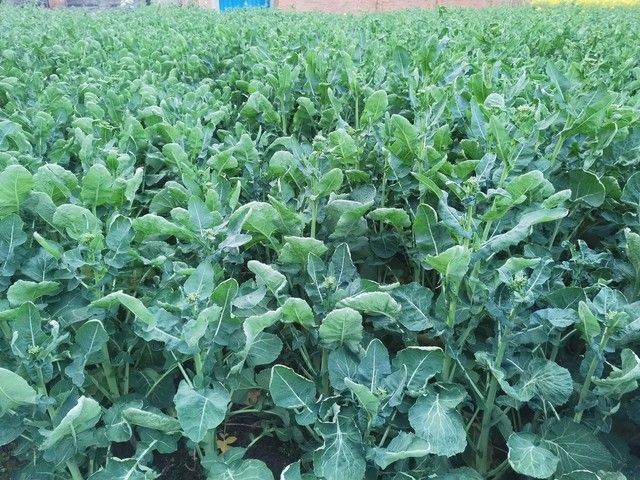
Two techniques to improve production and quality
Routine harvesting: the best harvest period is a “single flower”, i. E., the growth height of the main plume is equal to the top of the outer leaf, at which point the vegetables are the most tender. Slashed, smooth and healing。
2. Promotion of sides: when harvesting the mains, two or three sprouts of the base are retained, the management of the fat water after harvesting is strengthened, and it is possible to harvest the sides in a continuous manner, resulting in a significant increase in total production。
In general, the key to the successful cultivation of mustard blues lies in the selection of the species and duration by region and the long-term adherence to fine water management throughout life。
If you can tell me where you are in the general area (e. G. South china, east china) and the season of planned cultivation (spring, autumn, summer reserves)



