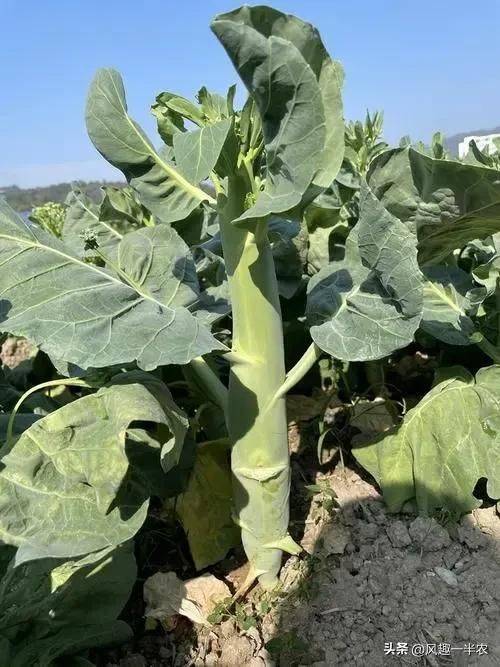
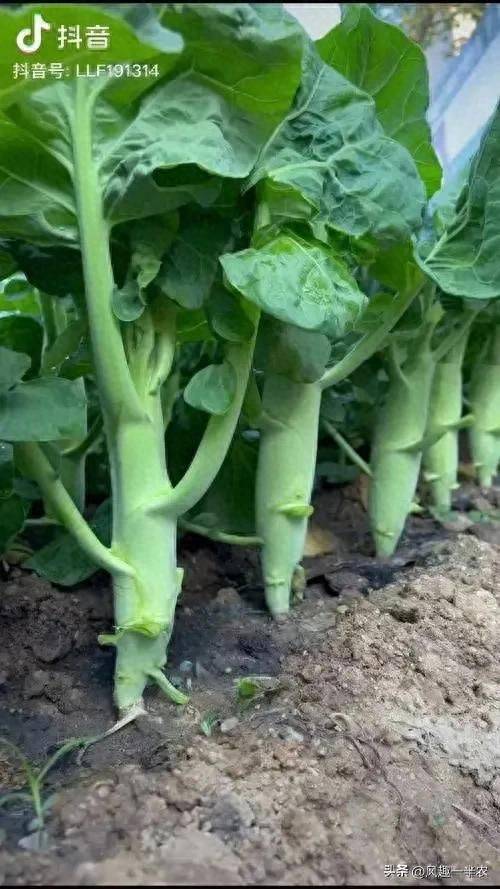
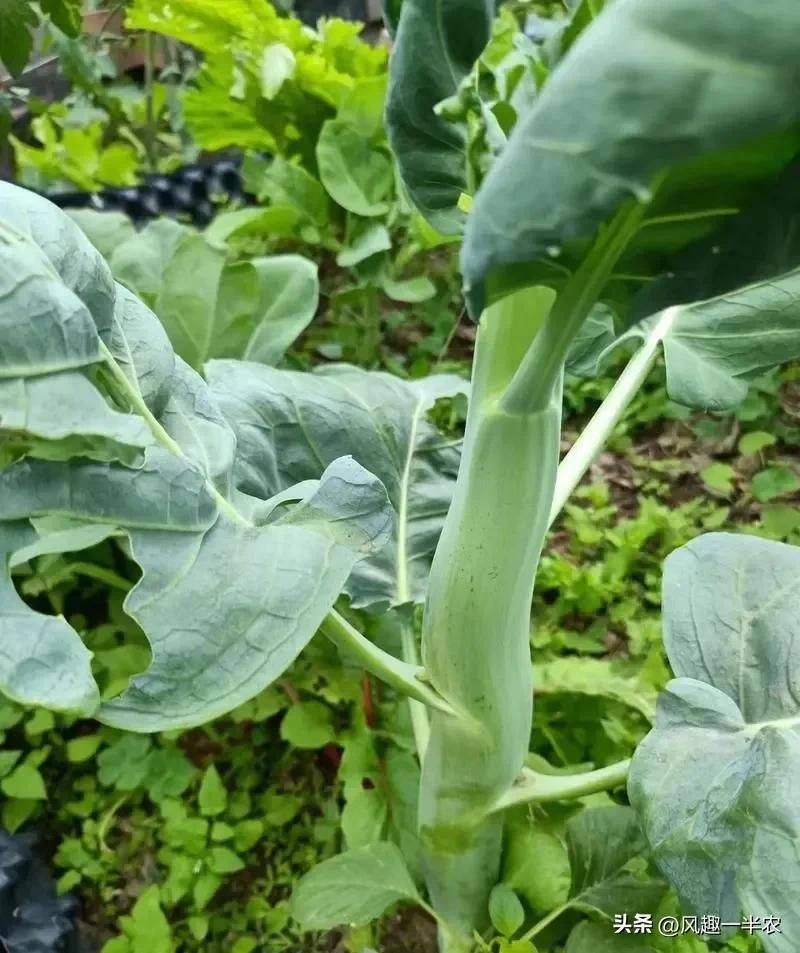
Mustard blues, known as white flower blues, mustards, mustards, etc., are culpable vegetables of the crucifixion of kale. Plantation is generally higher than 40 cm; it is a straight, branched, cylindrical, ovarian, and a rounded top. The white flowers are resistant to high temperatures and are grown mainly at early spring and autumn winter festivals and can be divided into three types of pre-, mid- and late-cooking, depending on the maturity time, of which pre- and pre-cooking are relatively heat-resistant, whereas later-cooking types are more adaptable to low temperatures. Because of its brilliance, nutritional abundance and other features, white garland also has health-care effects such as an appetite, heat relief, prevention of constipation, cholesterol reduction and heart disease prevention。
I. Time of seeding
Mustard blues have a warm, warm climate and their ability to withstand high temperatures is the strongest of the kale vegetables. Seed sprouts and seedlings grow at temperatures ranging from 25 to 30°c and slowly below 20°c, with leaves growing and mosses forming at temperatures ranging from 15°c to 25°c, with a high temperature difference between day and night. High temperatures above 30 °c are detrimental to the development of the gravitational moss, with slow growth up to 15 °c, differences in the heat resistance of the variety of sophisticated species and differences in the temperature requirements for flowering. As a result, autumn seeds are generally carried out between august and october, with the northern part of the specific yellow area suitable for planting after the autumn of august and the southern region suitable for 9 to october. During this period, the climate is mild and the temperature is much different from that of day and night, allowing mustard blues to accumulate nutrients and improve taste and quality. The mustard blues grown in the autumn can be harvested in late autumn and early winter after a long period of approximately 60 to 70 days。
Seed selection
Premature mustard - mainly suitable for summer and autumn cultivation (august-september), with a long period of 50 to 60 days. Representative species: 1 hong kong white flower mustard. Guangdong has a local variety, which is 20 cm tall, 2 cm thick and approximately 100 g heavy. 2 morning mustard. Guangdong has a local variety, which is 25 cm tall, 2 cm thick and weighs about 100 g. 3 green mustard. The japanese hybrid species, which are 20 cm long, 2 cm thick, weigh about 60 to 70 g, have a strong probabilities and can be harvested many times。
Medium ripe mustard - from seeding to harvest of 60 to 75 days - such varieties are suitable for autumn and winter cultivation. Representative varieties are: one of the flowers mustards. It's good quality, thicker, 2. 5 centimetres across, weighing 100 to 150 grams. 2 mustard mushrooms. The plant is strong and has small mushroom-like leaves on its face. The main is thicker, the main is 30 cm tall, 2. 5 cm across and weighs about 120 g. The above varieties may be selected on the basis of a combination of local climatic characteristics and cropping systems。
Iii. Cultivating seedlings
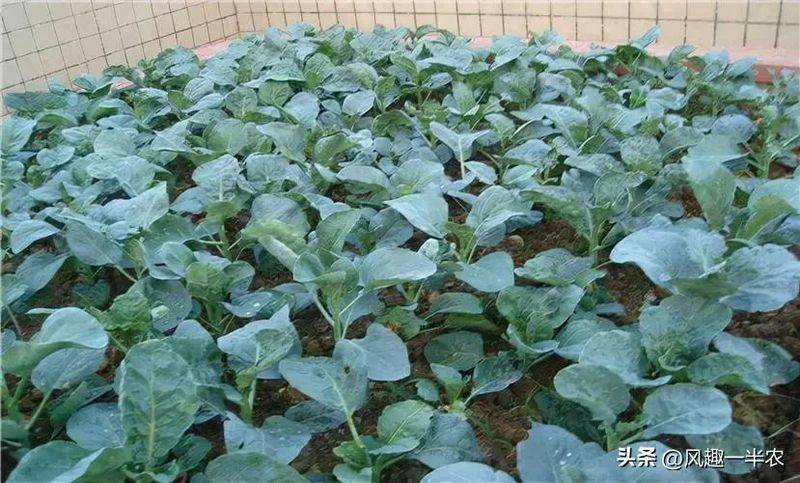
Mustard blues are generally planted, and in the autumn they are required to be shaded and storm-proof, with seeds ranging from 0. 5 to 0. 75 kg per acre bed for 5 to 10 acre cultivation, with quick-effect fertilization of 2 to 3 times during the seeding period for accelerated growth, such as application of fully decomposed organic fertilizers, dilution of 10 to 15 times and maintenance of soil moisture. When the seedlings are produced, care about the seedlings, so that they are not too dense to cause them to grow, and the seedlings reach 5 leafs in 25-30 days。
Scientific development
1. Whole-field fertilization: mustard blues are suitable for the general soil and the fertile sandy sandy soil. The planting area is therefore lax before planting, at a depth of not less than 30 centimetres, to facilitate expansion. The whole area is covered by foot fertilizers, which are applied at 3 to 4 centimetres per acre, with a three-dollar compound of 80 pounds, and are applied to soil below 10 cm。
Ii. Zirconium: zirconium 30-33 cm wide and zirconium 20 cm high。
3. Density: depending on the characteristics of the species used, the range is 15 to 20 cm and the range of pre-maturized varieties may be more dense。
4. Plantation: the water is poured out of a ditch, when the water is plowed, and the soil is pegged, so that the depth of planting is equal to the foliage。
V. Field management
1. Watering: after planting, water is poured into the seedlings, rooting is promoted and plants are restored to normal growth. Keep the soil wet. After the planting period, sun and storm disasters should be monitored and covered by a sunscreen net. After the gravitation, the weather cools with dry and wet water, which is protected against flooding and disease due to soil moisture。
2. Chinese farming: once a seedling has been planted, it is possible to chase the pine soil once, and many times before the plant is sealed, it is possible to plant the pine soil and weed. Pine soil after rain, water and soil moist, so that the soil remains lax and conducive to root growth and weed elimination。
3. Fertilizers: with the application of foot bottom fertilizers, three times is sufficient, using urea or compound fertilizers. The first time after the new leaves spread after planting was 15 pounds of urea per acre. For the second time, during the planting season, 25 pounds of compost per acre was followed. The third time after the moss, 10 pounds of urea per acre。