


Welcome to the private kitchens of the military. Today's mini-publika will show you the efficient cultivation of the five large shanty vegetables, and it is hoped that it will help you。
Tomatoes, silk melons, cabbage, pickles and celery are widely grown in the sheds: tomato cultivation took place in early december, in late february and from early may to early july; the megus were planted in mid-february, in mid-march and from early june to mid-september; the cabbage was planted in mid-july and harvested in mid-august; cultivated in mid-august, from late august to early september, and harvested in mid-october; the celery was planted in mid-july and at the end of october. From january to march of the following year。
I. Tomatoes
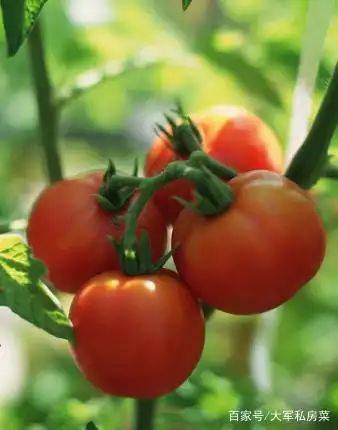
(1) varieties selection: use of pre-established, disease-resistant and cryogenic varieties。
(2) cultivation: in large and small sheds, 10 x 10 cm of nutrition was used for the first seedling at the end of december. When plants grow to three leaves and one heart, they can be sprayed once at 75 mg/l with high control of less than 30 cm. At a later stage, if the temperature is high, it can be controlled by displacement and light control of water。
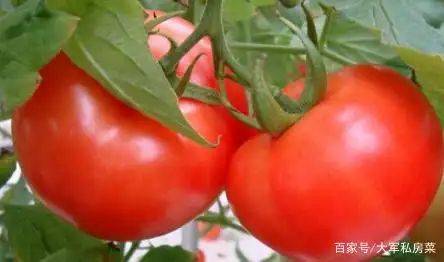
(3) cultivation management: late in the month of january, the soil was fertilized to thallium, 20 cm height, 60 cm width and 40 cm width of grates. In mid-february, cultivation was based on a range of 40 x (27-30 cm). To facilitate management, greenhouses no longer cover sheds. The shed could start ventilation within three days, and the amount of ventilation would increase in mid-march. Early in april, the sheeting of the shed was removed. It is too late to control the temperature in the shed due to high outdoor temperatures, resulting in plant length and poor routing. Pay attention to the timely bundling of branches, the use of a single mantle to trim them and the use of 30 mg/l for flowering, each sequence being treated only once, leaving two leaves to pick the tops after retaining three layers of fruit. The first layer of fruit expands to the size of an egg and is then repaired in a timely manner, combining 0. 5% urea + 0. 3% potassium phosphate solution to prevent disease and to spray fat. When the first layer of fruit begins to change colour, 2000 mg/l ethylene is coated on the fruit and can be harvested earlier。
(4) pest and pest control: common pests and pests include ailments, ashilosis, early disease, viral disease, cotton bellworm, etc., to be combated in a timely manner。
Ii. Smelts
(1) varieties selection: selection of medium- and late-run varieties。
(ii) cultivation: use of hut + hut + nutrition。
(3) cultivation management: in mid-march, seedlings were planted in the shed below the foot of the shed. Each shed is divided into two rows, approximately 1. 5 metres between plants. Attention is paid to the timely introduction of gavage so that it is evenly distributed on shelf surfaces below 1 m. All the gourds are cut, and the leaves are more than a metre. When the leaves are removed, they shall be removed from the top of the leaves and the melon shall be removed with the guacamole. After harvesting the tomatoes, they are planted once, with the tomato mantle placed on the silk melon, with diluted faeces once, and then with fertilization every 2-3 times。
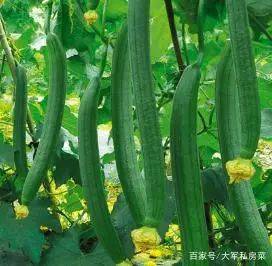
(4) pest control: common pests and pests are frosts, cucumbers and melons, which must be primarily prevented。
Iii. Cabbage
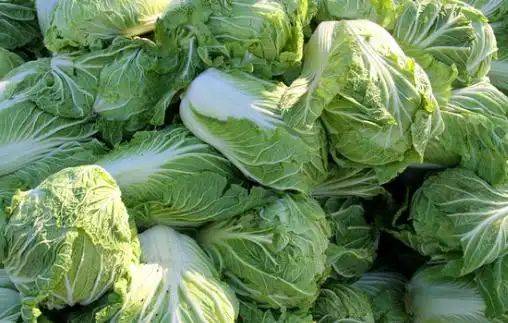
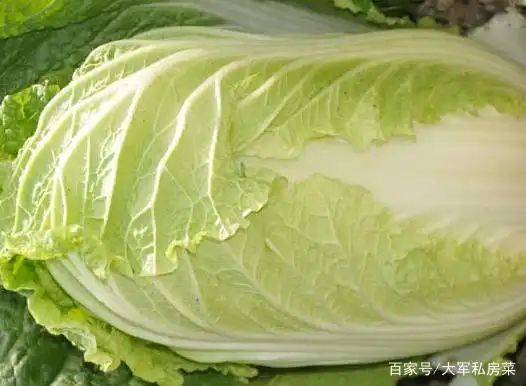
After a tomato salad, 75 to 100 kg of lime per acre were used to decompose organic weight of 2,000 kg, compound fattening of 20 kg, and heat-resistant large cabbage varieties were broadcast 8 to 10 days after planting. 1 to 2% urea at a time and harvested within 25 to 30 days。
Iv. Enough
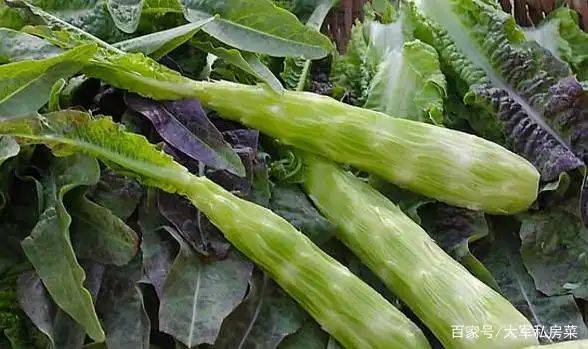
(1) varieties selection: selection of heat resistant varieties。
(2) cultivation: after approximately 12 hours of immersion, refrigerators are placed in the freezer for cryogenic treatment, be careful to be wet, wash with water one to two times a day and sow 50% of seed seed under a guacamole。
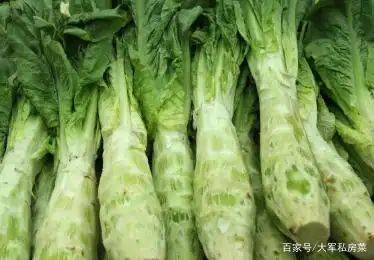
(3) cultivation management: 75-100 kg of lime per acre, 2,500 kg of decomposition organic fertilizer, 20 kg of urea, 20 kg of compound fertilizers, whole-land luminum, 1 m width for luminium and 20 cm width for ditches. Cultivated at 25 x 20 cm between rows, filled with enough root water, applied 1 ~2 % urea or human excreta every 3 - 4 days to slow fertilizer application and harvested before 7 ~10. Production can be increased by spraying 25 mg/l cactin。
(4) pest control: the common pests are frost, fungi nuclei and slashed night moths. Drug use must be rotated and prevention timely。
V. Celery
(1) varieties selection: opting for the united states of america to be superior to it, or to be a bermuda or ventura。
(2) cultivation: seeds are first immersed in water for 24 hours, washed twice with water, then packaged with clean wet gauze, stored in a refrigerator for three to five days and washed once a day. When 50 per cent of the seeds are fertilized, they are planted in nursery beds. If the sun is strong and the temperature is high, the sunnet can be covered. In the mornings and evenings, cold water pours into the cold and warm. The amount is intended to keep the bed soil wet. Every 7 to 10 days, diluted human excreta should be used. When the seedling grows to three leaves and one centimetre, the distance from which the seedling is grown is 6 cm. The area of artificial beds per acre is 18 to 20 square metres。
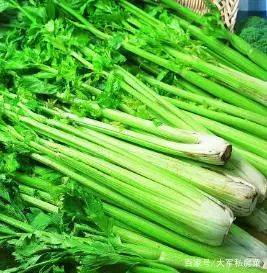
(iii) cultivation management: upon harvesting, the soil is cultivated in a timely manner. When the soil is dry and white, 100 kg of lime per acre, 4,500 kg of decomposition of organic fertilizer, 25 kg of compound fertilizer, whole-land luminous, 1 metre wide and 20 cm deep in a ditch, are grown on the basis of plant spacing of 20 cm x 25 cm and are applied to seedlings after survival. Usually, 700 kg of faeces and urine per acre are applied. Every half month, 700 kg of human excreta + 150 g boron + 10 kg of calcium phosphate are used. Combining planting and weeding, removing unseparable mites and maintaining soil moist throughout life. The concentration of 100 mg/l is sprayed every 30 and 15 days before harvest to increase yields and improve varieties. Because of the cold tolerance of celery, plants at 3°c will be frozen. In general, greenhouses should be covered by mid-november。
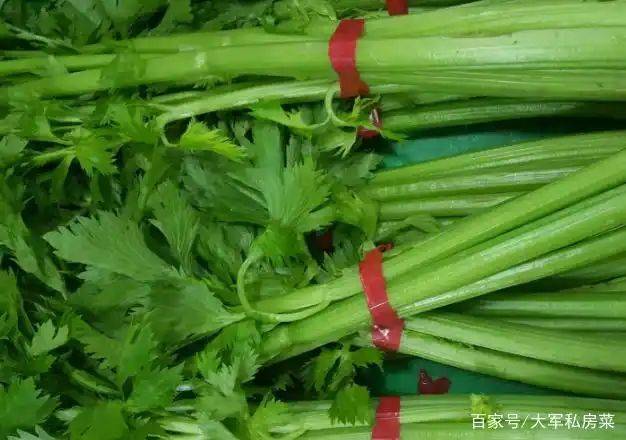
(iv) pest control seedlings: the main diseases are dead and sick, often leading to death. After the onset of the disease, 400 times the fluid may be sprayed with a 100-fold solution of 75% of the bacterial wettable powder or with a copper ammonium mixture. Other major pests and diseases, such as molluscs, fungal nuclei, viral diseases, foliage and aphids, should be prevented and treated in a timely manner。



