


The summer and autumn is the season in which the trees grow the most and is the stage in which they need to be carefully managed. The following points should be correctly understood in the process of breeding seedlings:
1. Timely irrigation
During the fast-growing period, irrigation has to be done in small quantities. Each irrigation has to be ploughed and ploughed. Take care to prevent the brushing of seedlings and the injury of saplings and roots. In the later stages of growth, irrigation is generally not required, except for special droughts。
2. Weed removal
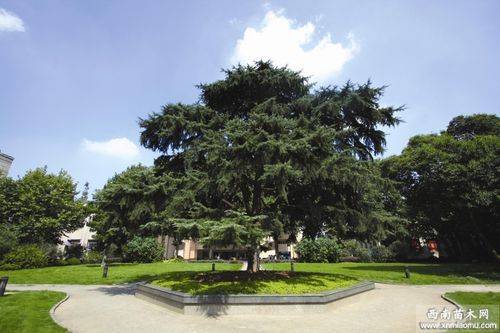
Pine soil and weeding after each rain or irrigation. The seedlings are not easy to sow, so that weeds can be uprooted and a layer of ground can be removed from the bed to prevent the vents from taking root. The pine soil has to deepen in turn, but it does not hurt or crush. Artificial weeding is combined with pine soil, such as the use of herbicide for herbicides, but is first tested in order to avoid a medical hazard。
3. Water-resistant downfall
Land that chooses to be saplings is generally low-lying, combined with more rain in the summer and autumn, and once the sprouts have hit the trees, they have a significant impact on their growth and timely delivery. Therefore, prior to the onset of the rainy season, a system should be developed for the digging of draining canals in advance of the rainy season, which is timely。
Scientific pursuit of fat
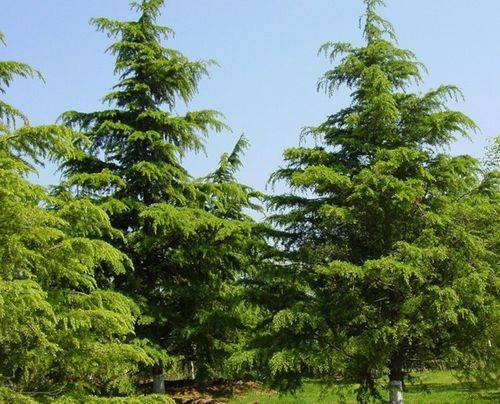
It is followed by quick-acting fertilizer, which is used to open ditches between rows, which is applied to the ditches and then the soil. Fertilizers can also be diluted and fully sprayed on seedbeds (silver, tungsten) and then washed with water. Time for fatting can take place on the side root of the tree. The pelican tree species, which are 30 days before the top of the tree, should stop following the application of nitrogen fertilizers; it would be preferable for the broad leaf species, such as yi yang, to refrain from fertilizing after the “autumn” in order to prevent the seedlings from growing。
5. Control sides
The seedlings of the broad leaf trees shall control the small side roots, and they shall be sprouts and defecate in time。
6. Prevention and treatment of diseases

The nursery should be used to predict, predict and prevent possible outbreaks of pests and diseases and to treat them in a timely manner. The choice of planting seasons is to move trees as much as possible during the booming or closing seasons, when the roots are rapidly regenerated and trees become more viable. The south is the best in the early springs, the late autumns and the worst in the late winters; the north is the best in the mid springs and the late autumns after the thawing of the land。
7. Selection of planting materials
Choosing to grow strong trees free of pests and pests, and choosing species that are more suitable for shifting cultivation climates within the same species. The seedling source of the unified area shall, as far as possible, be selected for planting for several years from a nursery, avoiding the use of mountain seedlings or trees that have never broken down. The plant was filled with water three times in a row. The plant was first poured that day, second for two to three days and third for a week. Then spread out the loose fields, and loose the bound branches。
In case of hot air fever, water is sprayed one to two times each morning and evening at the tree crown, humid and constant attention is paid to pine soil and weeding. In the second year, the stairwells were withdrawn into normal management。



