Basic information
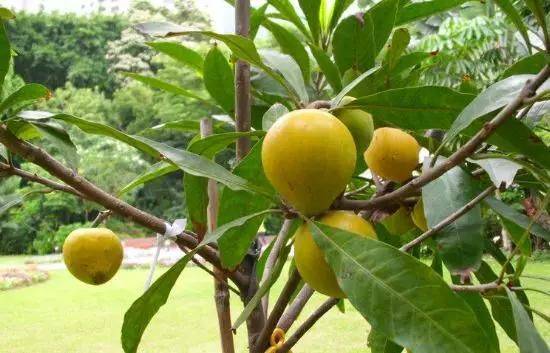
Mayo tree: pouteria campechiana
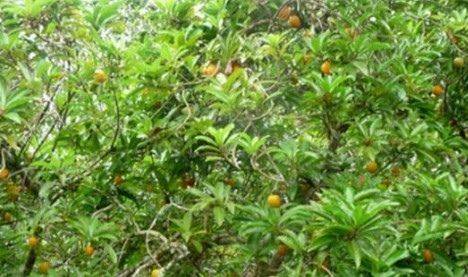
[scientific classification]
[sources] cuba and north america tropics
[main]: central and south america, north-eastern india, northern myanmar, viet nam, cambodia, thailand and southern china (gangdong, guangxi, yunnan, hainan)
[source]: nature was scattered in the tropical rainforest, introduced in china in the 1930s and started planting in guangzhou in the 1950s。
Basic characteristics
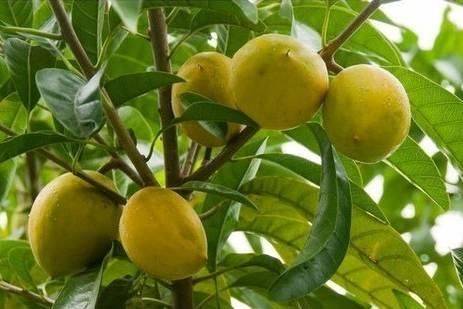
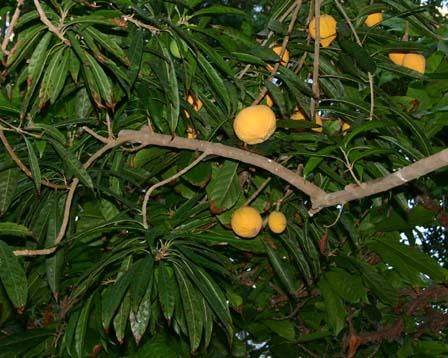
[break]: evergreen little wood, 6-9 metres tall, tree crowns half-turned or cone-shaped, main dry ash brown, corsets of bark, large branch angles, small brown and small hair。
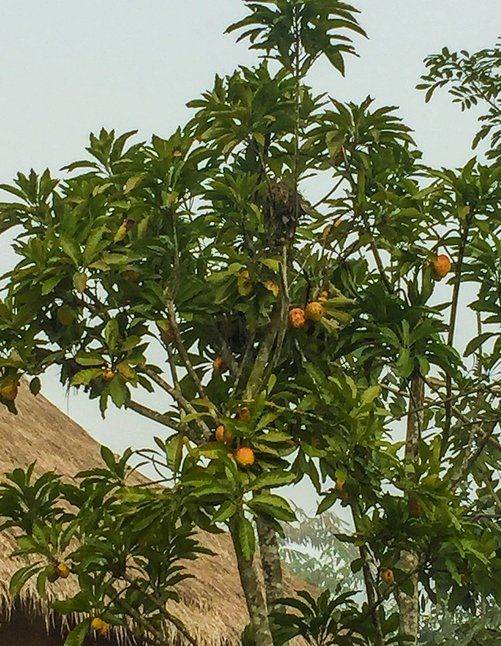
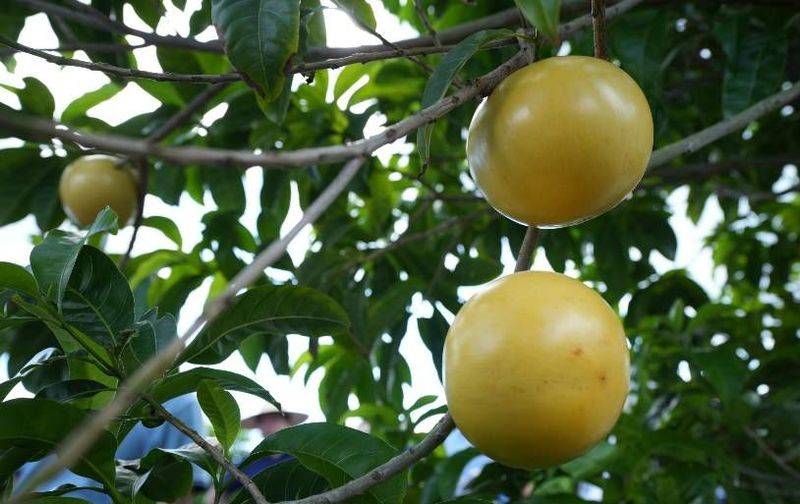
[cell structure]: plant cells contain typical liquid bubbles and store bitter juices (e. G., from squeezed fruit meat); cell walls contain cellulose to support tissue development。
The shape of the root: the cylindrical roots, the side roots, the drought resistance。
"the shape of the penis: the main dryer is standing up, the browner, the twigs are brown, the old twigs smooth."。
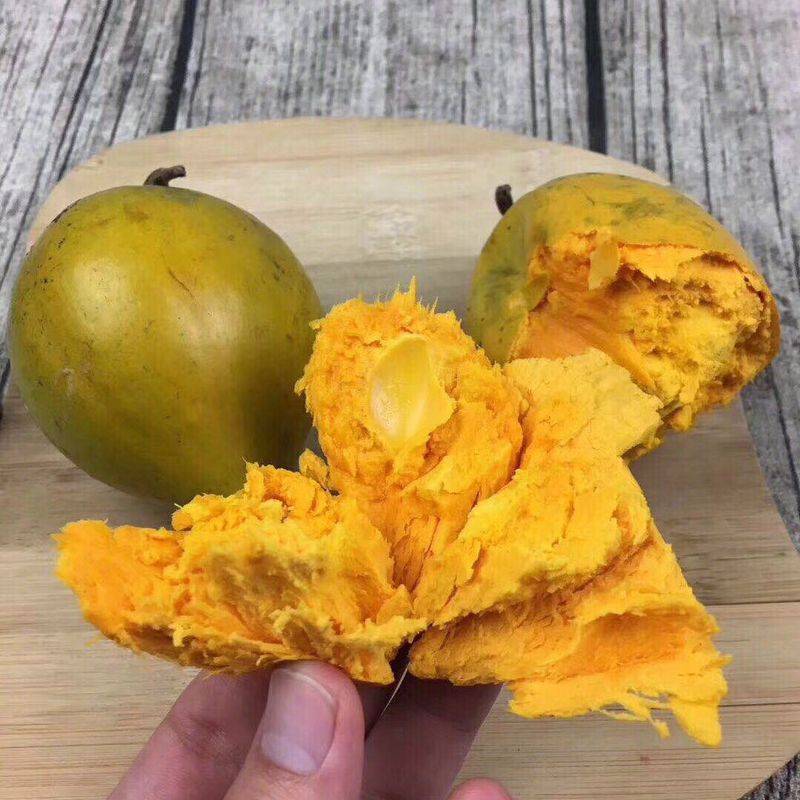
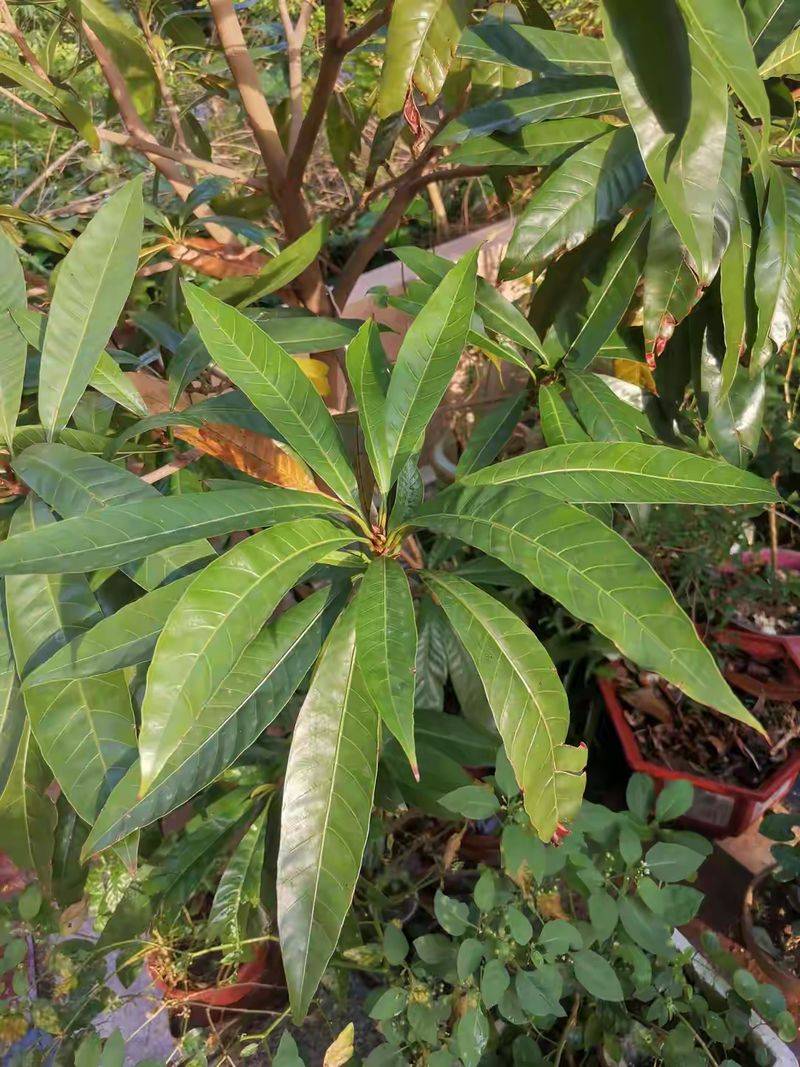
[face]: thick paper, narrow ellipse to penetrating pins, 10-35 cm long, 2. 5-7 cm wide, front-end tip, foundation wedges, medium veins with a significant rise in the back of the leaf, 13-16 pairs of arteries, clear web veins。
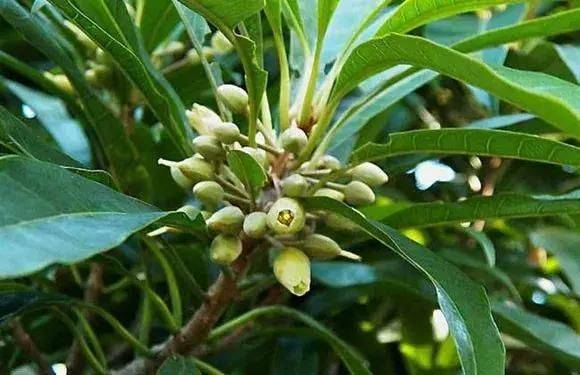
[flowers]: fusion in ashells, single or double, cylindrical, brown cylindrical, velved, 5-7 bouquets, ovaries; crown bells, yellow and white, pelvis ovaries; capable of producing 5 mares, deforming tiara pins; sub-house cones, 5 chambers, tills。
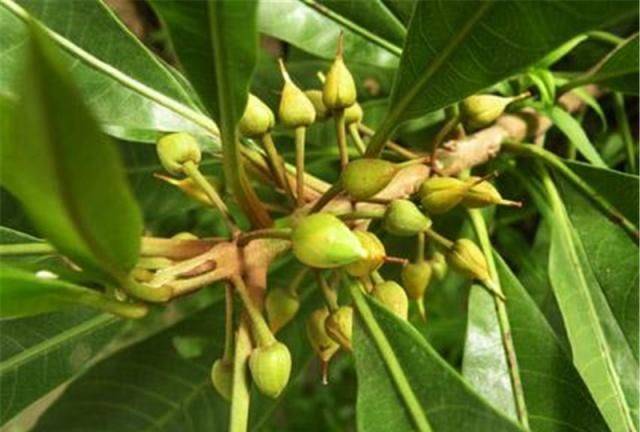
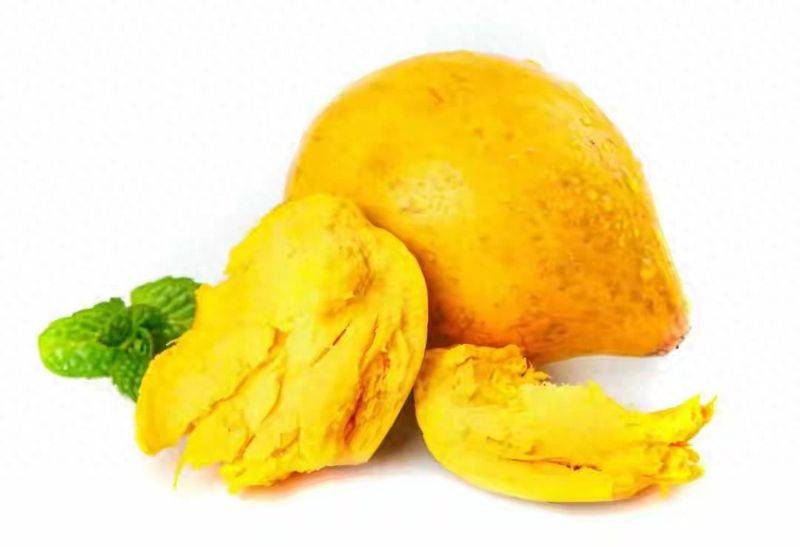
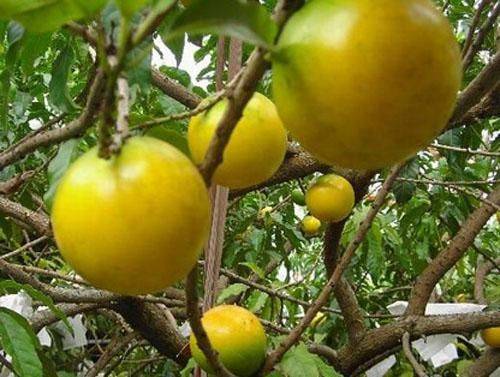
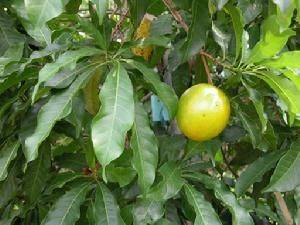
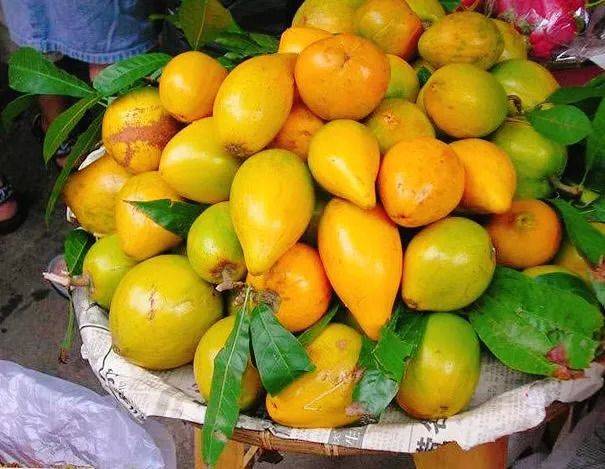
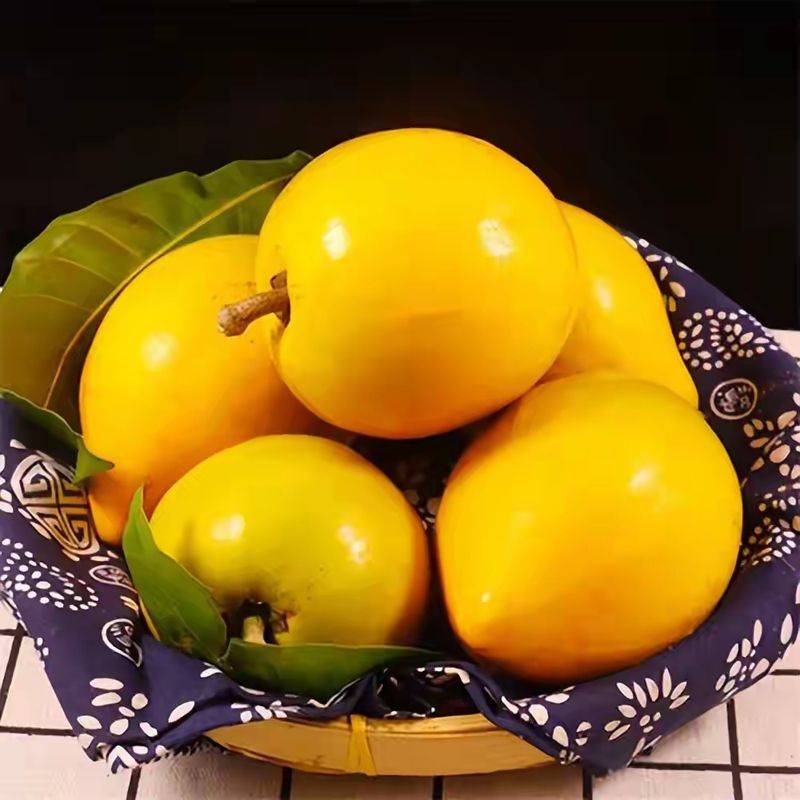
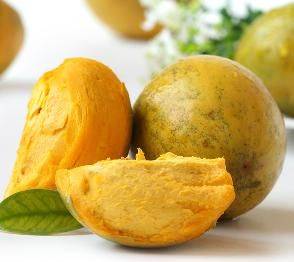
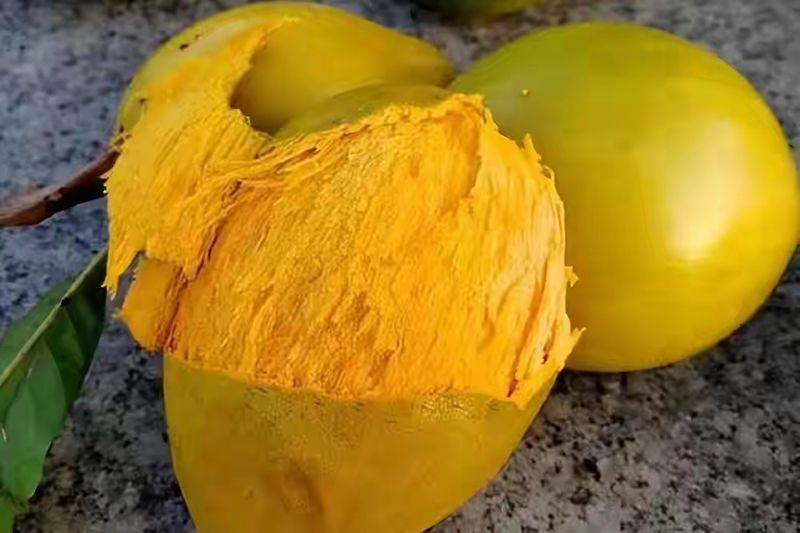
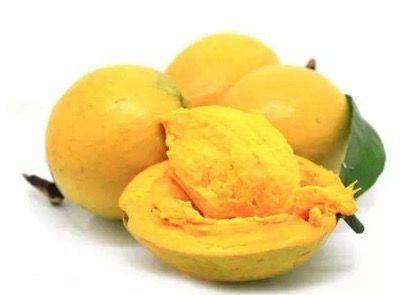
[jews]: rewinding eggs or sphericals, green when they are ripe, ripe oranges to orange reds, thin skins of outer fruit, thick skins of chrysanthemum, chrysanthemum, low water content and sweetener。
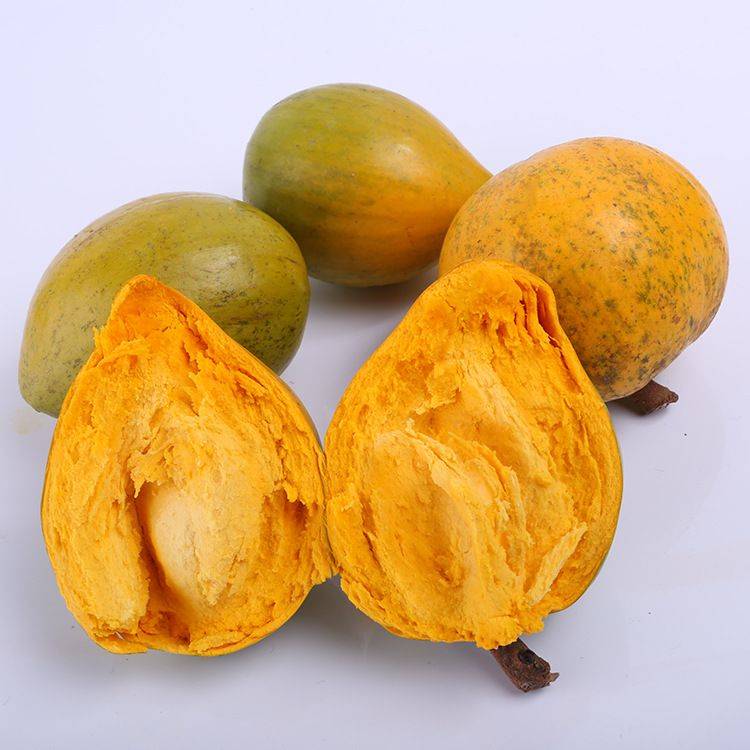
[seed]: ellipse, flat, 4-5 cm long, yellow and tan, skin thin, scarring side by side, natural toxic ingredient (non-eatable)。
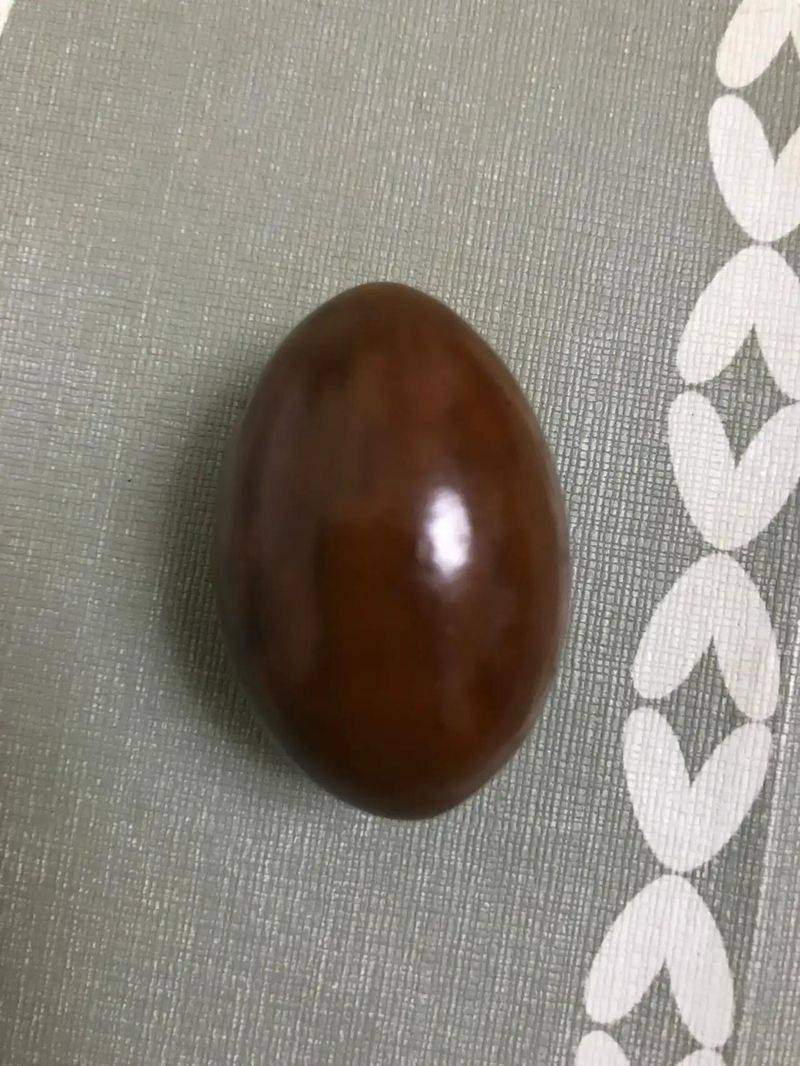
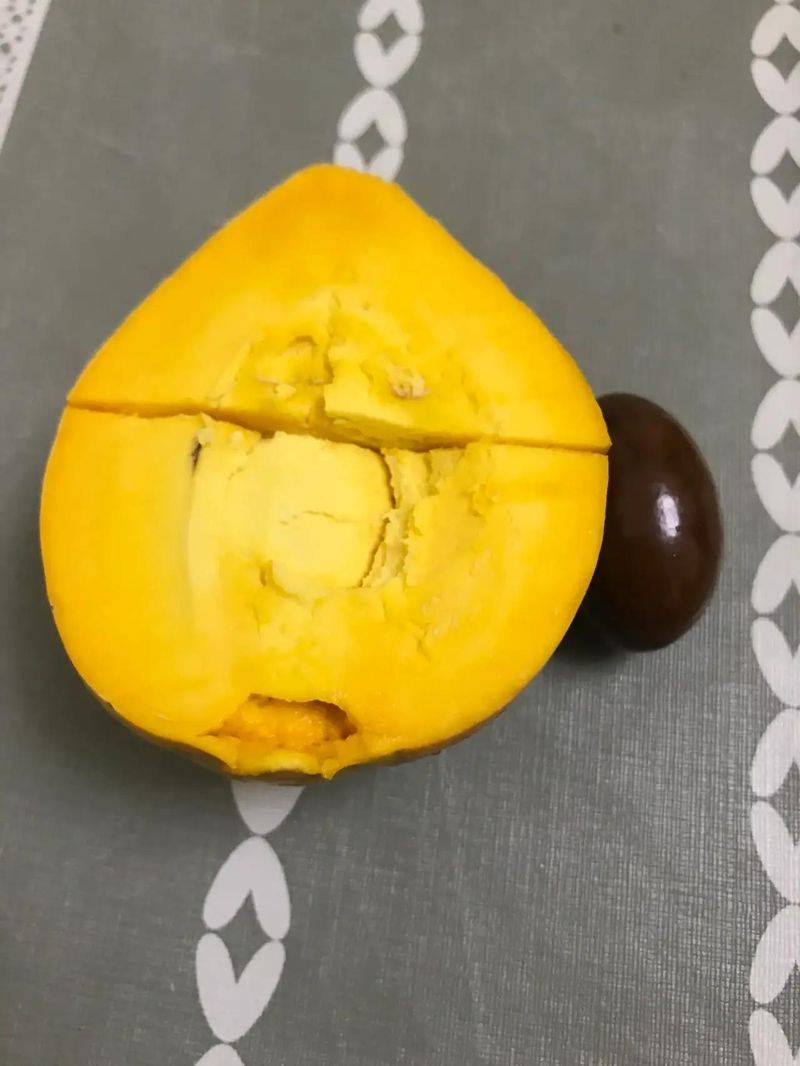
[various]:
Hn3: the tree canopy type, large branch angles, fine end end-points of fruit, skin wax, high sweetness of fruit。
Peaches/peaches: suitable for cultivation in fertile, water-rich areas。
Spherical/strangling: resilient soil, adapted to arid conditions。
Growing ecology
[climate environment]: warm and wet climates with average annual temperature of 24-27. 5°c, resistant to short-term high temperatures of 40°c or low temperatures of 1-2°c; high temperatures of nectar rain (feasible flowers) and low temperatures (harder fruits) during ripening periods。
[soil]: adaptive, sandy and infertile but well drained。
[light]: full-day or half-day light, sufficient light for fruit development。
[reproduction]:
(b) cultivation: in april-may, two centimetres thick, two to three centimetres wide, seven days of drying, covered in fine earth with grasswood ash and “extension 802”, plastic membrane seals, 40-60 days of fresh roots。
Seed breeding: seeds need to be freshly seeded, with high gestation rates but long growth cycles. [creeching]: young trees set dry heights of 60-80 cm, raising 3-4 main branches; adult trees trim their clitoris, sick branches and keep their crowns ventilated. [ fertilizers]: teenages are dominated by nitrogen fertilizer, with an increase in phosphorus-based potassium fertilizer before the flowering season of the adult tree and a supplement to organic fertilizer after the fruit period. [pest control]:
Patients: anthrax, coal smoke, which can be treated with polymix or bordeaux。
Insect pests: aphids, shells, can be sprayed with aphids or thiomers。
Economic value
[eat]: fruit can be fresh or processed with fruit sauce, ice cream, beverages, fruit and wine; mature fruit needs 4-7 days to eat, and cold storage can extend the shelf life。
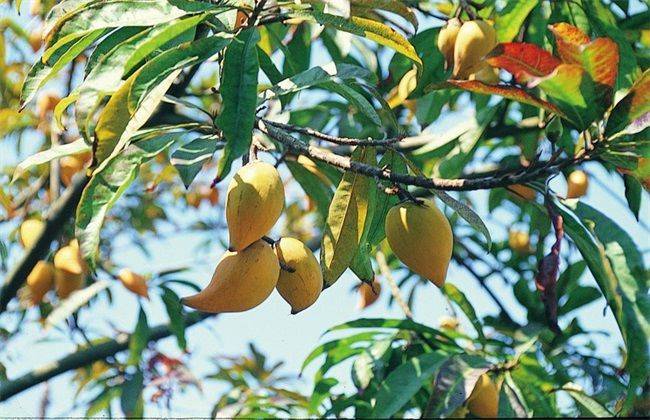
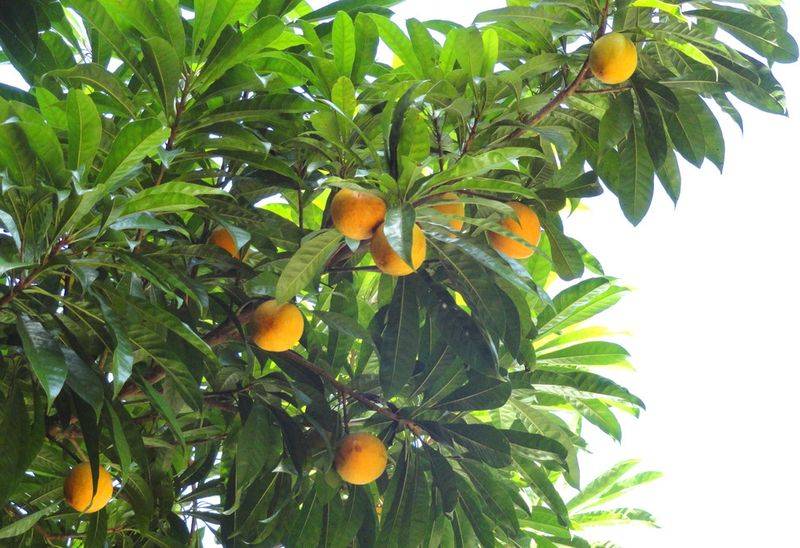
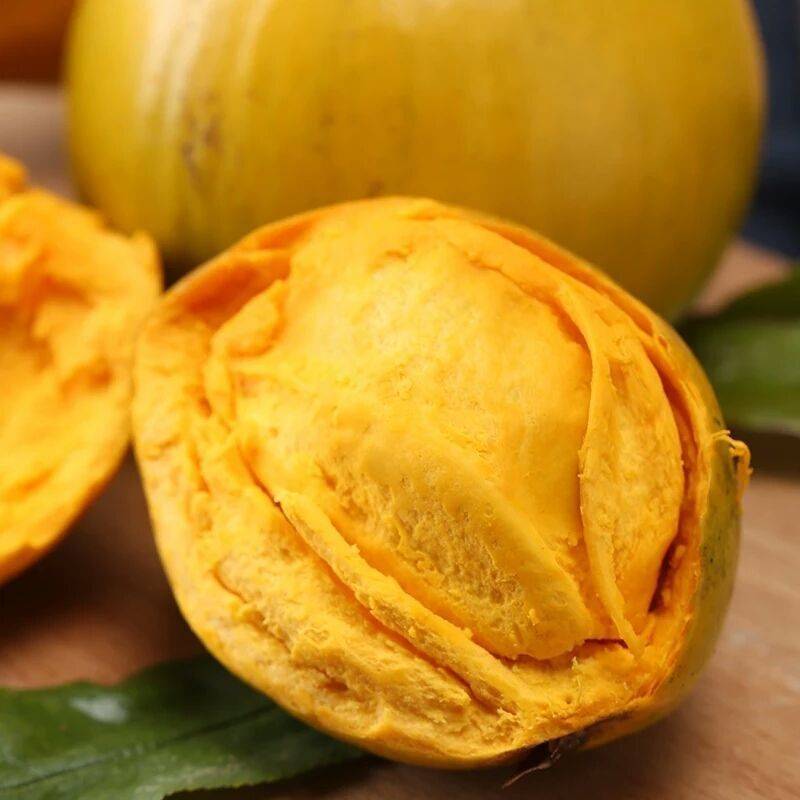
[physics]: it contains phosphorus, iron, calcium, vitamin c and 17 amino acids, which help digestion, salivation, renal supplementation, awakening brain, active blood strength, calming pain, decompressive fat。
[industry]: wood can make small furniture, agricultural tools; fruit leather has wax and can extract natural wax。
[culture]: the fruit and fruit are like yolk and are regarded as “genie fruit” and often as a garden viewer of trees, symbolizing “richness”。
Nutritional values and effectiveness
[vitamins]: vitamin c 24. 3-69 mg per 100 grams of fruit, with antioxidation at the forefront of tropical fruits; carrot-like, protective vision。
[mechanical matter]: be rich in phosphorus, iron, calcium, promoting bone health and haemoglobin synthesis。
[food fibre]: up to 9 g/100, promoting intestinal creeping and improving constipation。
Attention
[store]: premature fruit needs to be stored in constant temperatures to change colour, and mature fruit can be stored in refrigeration (0-5°c) for 7-10 days to avoid squeezing damage。
[security]:
Seeds containing natural toxins, which could lead to gastrointestinal irritation (e. G., diarrhoea), need to be completely removed。
Vegetable meat is high (29. 1-30. 5%) and diabetics require appropriate consumption。
For the first time, an allergy person has tried to offer a small amount of food。