Peas are a nutrient-rich and adaptable plant that can be eaten, drugged and seen. It is suitable for cultivation in temperate and subtropical areas and is an ideal vegetable and ornamental plant. Here is the time and method of planting peas。
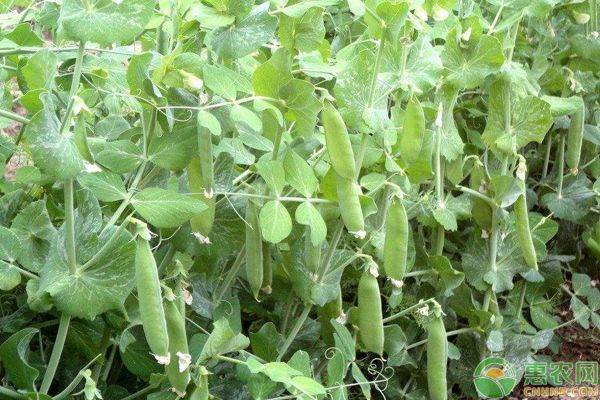
Timing of cultivation
1. Northern region
Spring seeding: it usually takes place between the end of march and the beginning of april, when the temperature warms up and is suitable for peas。
Autumn seeding: usually in late august to mid-september, peas are cold and suitable for autumn planting。
2. South region
Spring seeding: may take place between february and april, with moderate temperatures suitable for peas。
Autumn seeding: usually in late september and early november, the climate is mild and suitable for peas to grow winter。
In the lower part of the yangtze river, field field planting in the autumn can take place from late august to mid-october, and in the winter membrane greenhouses from october to february。
Ii. Cultivation methods
Selection
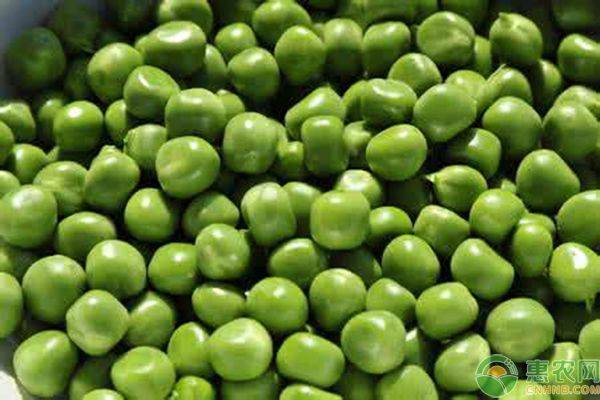
Select seeds that are fully visible, balanced, smooth, disease-free. It would be preferable to use fresh seeds to ensure a high gestation rate. The immersion of seeds in warm water for 8 to 10 hours has helped to increase the growth rate and growth rate。
Fertilizing the whole area
Select a soil that is sun-rich, well-drained and fertile. Soil ph should be neutral or micro acidic, avoiding the use of alkaline soils. Before seeding, the land is poached, with organic fertilizer of 1000-2000 kg per acre and calcium per phosphate of 40-50 kg。
3. Sowing methods
(b) diffusion: approximately 70 cm in length, approximately 4 cm in grain and 2-3 cm in soil after seeding。
Caves: about 30 centimetres in range, about 15 centimetres in range and three to five grains per den。
Scatter: this applies to small-scale cultivation, where seeds are spread evenly over the soil and covered with fine soil。
4. Field management
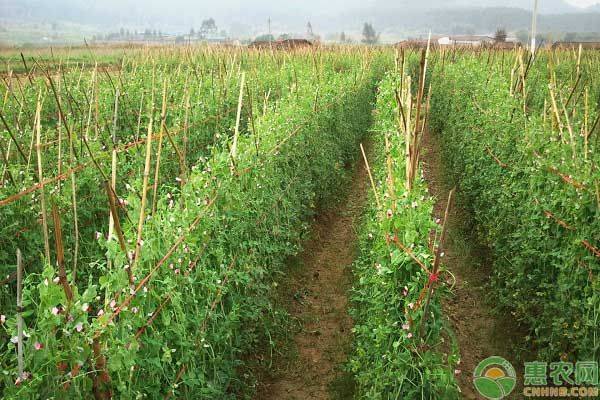
The peas are wet, but they fear water. The soil is moderately humid during growth, avoiding excessive moisture leading to root decay. Premiums can be followed by thin dung or nitrogen fats; the flowering season requires increased application of potassium phosphorus fertilizer and 30 per cent of human urine every two weeks. Weeds are removed in time to avoid competition for nutrients and light with peas. Peas are vegetable plants that need to be built on support frames (such as bamboo poles or barbed wire) to climb and promote growth。
5. Pest management
Peas are vulnerable to pests such as aphids and leech worms. Low-toxic pesticides may be sprayed regularly or biologically prevented。
6. Collection
Peas usually mature 60-90 days after planting. When the beans are full and the colour is green, they can be picked。
In short, peas are a widely grown legume plant that can be eaten and used as feed and green fertilizer. In accordance with the above methodology and timing, healthy, high-yield peas can be grown。
You may be interested in the content of the following recommendations on the timing and methods of peas growing。