


Best time and method for potato cultivation
Potatoes are a common vegetable rich in starch and vitamins. Whether it is family or commercial, it is important to choose the right time and method. This paper will provide you with the best time and methods for the cultivation of potatoes to help you achieve a rich harvest。
1. Optimal planting time
The timing of potato cultivation depends mainly on climatic conditions in the region. Generally, the seasons suitable for the cultivation of potatoes are spring and autumn. In the spring, cultivation is generally selected for march to april, while in the autumn, cultivation is selected for september to october. In this way, the adverse effects of extreme weather on potatoes can be avoided。
Soil testing is required to ensure good quality before planting. The conditions necessary for the healthy growth of potatoes can be obtained by testing ph, nutrient content and soil。
2. Soil preparation
In order to obtain high yields of potatoes, especially commercial cultivation, soil preparation is important. First, weeds and pests need to be removed to ensure that the soil is clean. Second, arable land and soil reclamation are carried out to ease the soil and to facilitate the growth of potatoes. In addition, appropriate foliage or organic fertilizers could be added to increase soil fertility。
In preparing the soil, suitable fertilizers can be added based on soil results. In general, potatoes require sufficient nitrogen, phosphorus and potassium elements. Depending on soil defects, organic or chemical fertilizers can be selected to supplement nutrients。
Cultivation methods
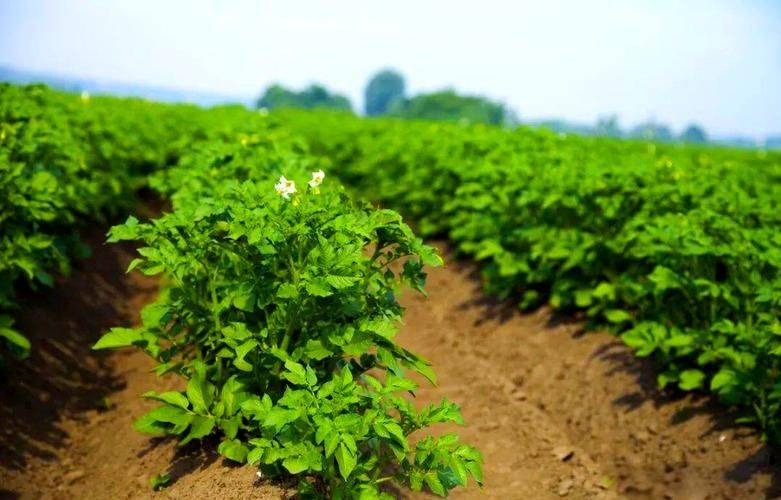
Potato is grown in many ways and can be selected according to individual or commercial needs. The following are some of the common cultivation methods:
1 sliced cultivation: seed potatoes cut into small pieces, each with eye buds. They then dry the pieces in the sun and try to avoid damp. The cultivation can begin when the slice surface has a hard skin. The potato chips are buried in the soil to maintain appropriate spacing and depth。
2 complete planting: full seed potatoes are buried directly in the soil. This approach is more suitable for the cultivation of smaller lands and saves pre-plant processing steps. It can also increase potatoes production。
In addition to these two common cultivation methods, there are other innovative cultivation methods, such as the use of flower basins and plastic bags. These methods are particularly applicable to family cultivation and have the advantage of saving space and making it manageable。
4. Daily management
The day-to-day management of potatoes consists mainly of watering, fatting, weeding and pest control. Proper watering is an important condition for the normal growth of potatoes. Reasonable control of the frequency and amount of water being poured, in accordance with climatic conditions and soil moisture, to avoid immersion or water scarcity of potatoes。
The timely pursuit of fat is also important for the growth of potatoes. Suitable fertilizers, such as nitrogen, phosphorus and potassium, are selected for follow-up according to the different stages of potato growth. At the same time, care is taken to avoid over-fertilization and negative effects on the growth of potatoes。
Weeding and pest control are key measures to keep potatoes healthy. Weeds are removed in time to avoid competition with potatoes for nutrients and moisture. At the same time, biological or chemical control can be used to prevent and control common potato pests。
Harvest and storage
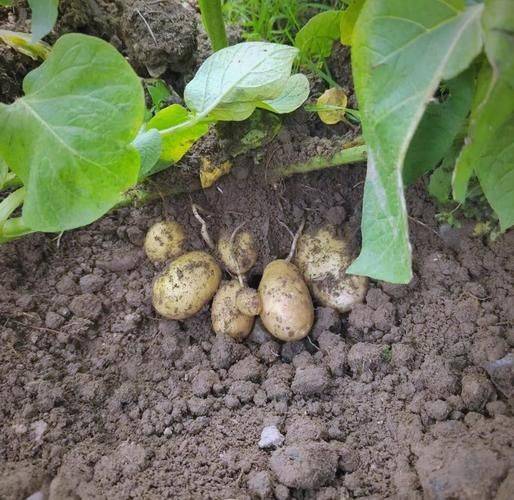
Depending on the growth cycle and variety of potatoes, harvests can be made approximately 90 to 120 days after planting. At harvest, potatoes need to be dug out with a pick or shovel. Excavated potatoes are dried in the sun and stored in cold, ventilated areas to avoid direct sunlight。
During the storage process, the condition of potatoes is regularly checked and the decaying or budding potatoes are processed in a timely manner so as not to affect the quality of the entire potato batch. At the same time, the storage of potatoes together with other vegetables or fruits is avoided in order to avoid infectious diseases。
Concluding remarks
The timing and methods of cultivation of potatoes directly affect the production and quality of potatoes. The selection of suitable planting times, prepared soil, scientific methods of planting and management measures can help you to reap a rich potato harvest. I hope this will help your potato planting
Best time for potato cultivation
Potatoes are one of the major cash crops in our country, and growing potatoes not only enriches people's diets but also increases incomes for farmers. However, the choice of the right planting time is crucial if the harvest is to be achieved。
Based on climatic and soil conditions, the best time for potato cultivation is usually in spring or autumn. The spring season is a booming season for potatoes, with rising temperatures contributing to their growth. At this point, soil moisture is moderate, contributing to seed growth and rooting and to maintaining soil moisture and nutrient availability. In contrast, the autumn is also a suitable planting time, when temperatures are appropriate and potatoes can grow over a longer period of time, thus increasing opportunities to split and increase yields。
Best way to plant potatoes
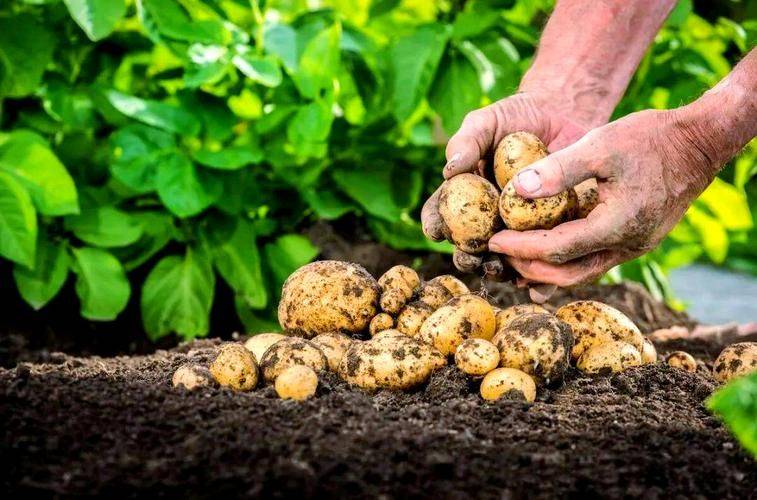
The best methods to grow potatoes include selecting suitable soil and suitable varieties, preparing the soil and fertilization, and taking care of pest and disease control。
First, the choice of suitable soils is essential. Usually, potatoes prefer wet, lax and well-drained soils. At the same time, the ph for soil should remain in the range of 5. 5-6. 5 and the acidity of the soil can be regulated by applying organic fertilizers or lime。
Second, it was also important to select potato varieties suitable for local climate and planting requirements. Different varieties require different requirements for temperature, moisture and soil, with the selection of suitable varieties based on local realities。
Also, soil preparation and fertilization are key to potato cultivation. Before planting, the soil is pine-fed and residues of weeds and pests are removed. Before seeding, appropriate quantities of organic fertilizers and fertilizers are required to provide an adequate nutrient supply。
Finally, attention to pest control is also key to the cultivation of potatoes. Potatoes are vulnerable to a number of common pests, such as the early disease of potatoes and aphids. During the planting process, regular field visits are made to detect and treat pests and diseases in a timely manner in order to prevent their spread。
Summary
The best time for potato cultivation is usually in the spring or fall, with the selection of suitable soil and suitable varieties, preparation and fertilization, and attention to pest and disease control, key to harvests. It is hoped that these approaches and recommendations will help the friends of farmers who want to grow potatoes so that they can harvest the productive potatoes。
This document is based on a web-based approach to the treatment of specific illnesses and the use of medications, based on prescriptions and medical instructions from the attending physician



