Preamble
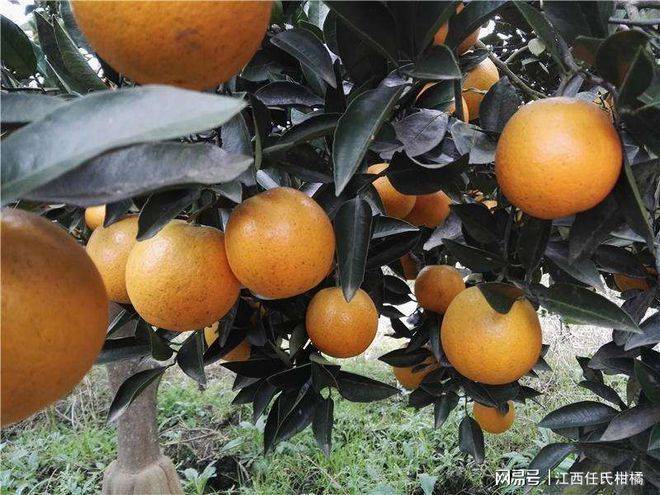
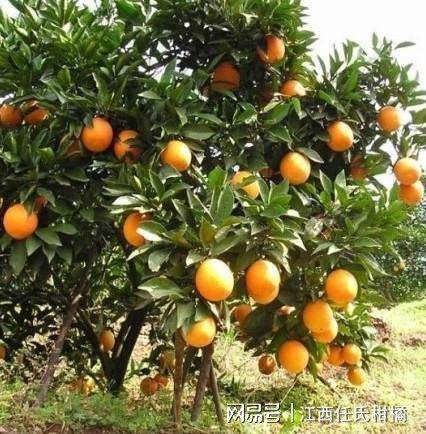
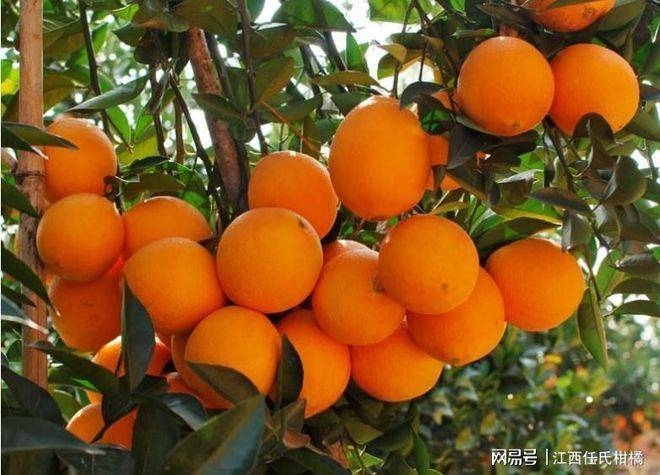
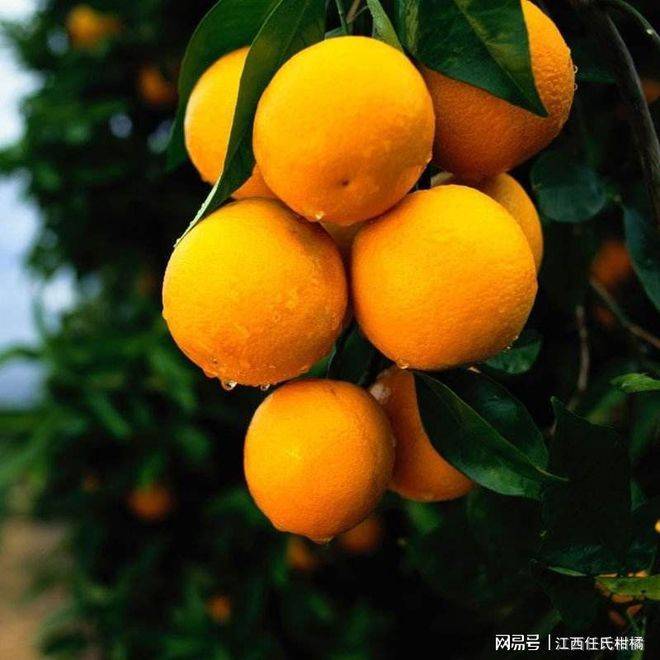
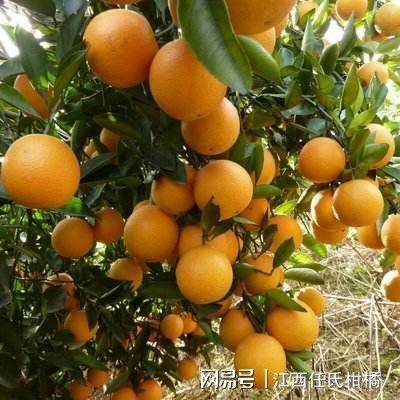
Ice cream oranges, which have a high sugar content of more than 12 per cent, are more sugary than the rest of the oranges when they are fresh, so at the earliest they are said to be sugar bags. How do you grow ice cream oranges when they're sweet and nutritionally rich? A brief introduction by the editor of jiangxi's fruit industry down
Ice cream oranges in jiangxion's fruit industry
Ice cream orange planting techniques
1. Bridging requirements
While citrus trees are generally grown by marriage, and ice cream oranges are no exception, the choice of marriage time and the technique of marriage is the highest priority for the child, and autumns are the main branches of the fruit, but autumns must be fully mature, so they take place between early october and early november, when autumns are fully mature. It is best to choose the shells, which must be healthy and disease-free, and which promote the early pick-up of ice cream。
Soil requirements
The choice is to be found in a sandy sandy soil rich in organic and deep earth. In addition, ice cream oranges are suitable for micro-acid soils with high organic content and are not suitable for alkaline soils. Because of its intolerant nature, it also has stricter requirements for drainage and drainage conditions. So it has to be done。
Three
Before planting, deep 60-80 cm deep, or approximately 70-80 cm in diameter, is dug in the soil, and sufficient amounts of decomposition organic fertilizer and permeable calcium phosphate are then inserted into the cave to cover a thin layer of soil. During planting, the selected seedling root systems are suitably stretched, with full contact with the soil in the established den, increasing the capacity of the root system to extract nutrients and promoting the growth of plantations. Cultivated density is controlled at 2-3 m range and approximately 4-5 m range, with 45-60 plants per acre
4. Fertilizer water management
The management of fattening of orange trees varies from time to time. In general, early-age tree fertilisation is based on the principle of thin and hard-working nitrogen fertilization, supplemented by adequate amounts of potassium phosphorus fertilizer, to enhance the nutrition of trees and reduce the long-term life of plantations. At this point in time, its water needs are also high and the soil needs to be kept moist。
5. Orthopaedic cut
Orthopaedics usually cut the top of the backbone at 30-40 cm, and when new hair starts, three to four strong and evenly distributed branches are selected as the main branches, with two to three additional branches growing on each branch. Orange trees are trimmed primarily by graft, etc., which concentrates nutrients on the growth and development of branches of the result, thereby improving yields and quality. Attention is also being paid to the timely elimination of the cross branches, overlapping branches, disease branches, etc. Of the plant to provide an enabling environment for its growth。
6. Pest management
The main pests that affect ice cream and oranges are ulcer disease, anthrax disease, gel disease, red spiders, etc. Anthrax can be combated with 1,000 or more tobuzines. Fluids can be sprayed with multibacterium. Euphoria can be treated mainly with a combination of copper hydroxide and copper chromium. Insects such as red spiders can be chemically treated with amitraz, or biologically treated with natural enemies such as grasshoppers and mites。