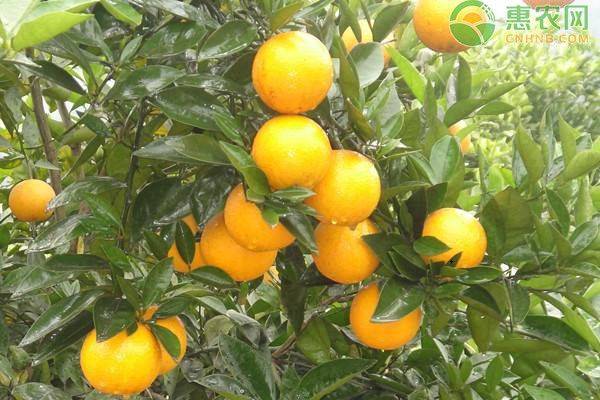
Ice cream orange is a fruit that many people like to eat with high sugar content and sweet tastes, which not only can be fresh, but can also be processed into a variety of fruit cans with high market demand, so many want to plant. The following is a presentation on the timing and methods of ice cream orange cultivation。
1. Timing of cultivation
The period of ice cream orange cultivation is divided into spring and autumn. The normal spring planting period is well established until the next start, usually in late february to mid-march, before the onset; autumn planting usually occurs in mid-october when the fall planting period stops at the fall, and can be extended until late november if temperatures are high。
2. Cultivation
In order to increase production, plant density is 50-60-666m2, which is preceded by the application of bottom fertilizers, with a depth of 60-80 cm in soil and approximately 70-80 cm in diameter, followed by a sufficient amount of decomposed organic fertilizer and calcium phosphate in the den, with a conditional amount of 15-20 kg for each of the decrepit farmers and 1kg for the three dollar compound. At the time of planting, the selected seedling root system was suitably spread, allowing full contact with the soil in the established den, and the seedling root system was not in direct contact with fertilizers, especially those of undefamed farmers and fertilizers. When planted, proper water is used to promote new roots, which cannot be fertilized; and a living logistics of thin fertilization, which is appropriate for thin dung, which promotes root systems, new growth, and the timely provision of care for tree crown formation。
3. Fatty water for young trees
The management of juicy oranges varies from time to time. In general, early-age tree fertilisation is based on the principle of thin and hard-working nitrogen fertilization, supplemented by adequate amounts of potassium phosphorus fertilizer, to enhance the nutrition of trees and reduce the long-term life of plantations. The amount of water required during this period is also significant and the soil needs to be kept moist. In the event of a rainy season, when rainfall is concentrated, it is necessary to open ditches and discharge them in time to prevent flooding. In the summer autumn, water should be poured in time to cover the drought。
4. Integrative trim
The glucose orange shape is typically cut from the top at 30 to 40 cm of the main stem, and when the new hair grows, three to four strong and evenly distributed branches are selected as the main branch, with two to three additional branches growing on each branch. Cuts are mainly for the timely rubbing of budding, so that the nutrients are concentrated in the branches that produce and grow, thereby improving yields and quality. Attention is also being paid to the timely elimination of the cross branches, overlapping branches, disease branches, etc. Of the plant to provide an enabling environment for its growth。
5. Insects and diseases
The main pests that affect ice cream and oranges are ulcer disease, anthrax disease, gel disease, red spiders, etc. Anthrax can be used with 1,000 or more tobuzines, and tremolesis can be used to spray according to the level of vulnerability. Euphoria can be used mainly as a pharmaceutical agent, such as copper hydroxide and chromium copper, and insects, such as red spiders, can be used as a platinum agent, or can be introduced for biological control by natural enemies, such as herbicides and mites。
6. Attention
Fertilizers, which have a significant impact on the growth of trees, must be supplied in a timely manner, in accordance with the needs of seedlings, accelerate the growth of seedlings when they are alive and new roots are grown, following the principle of dimness and thickness, and many times more, in pursuit of fertilizers such as manure, corroded bread or urea. After heavy rainfall or repeated application of liquid fertilizers, if the soil is compacted, the pine soil should be soaked and weed removed as to improve the environment in which it is grown so as to facilitate the growth of wood。
These are the technical descriptions of the timing and methods of glucose orange cultivation, which are resistant to drought, cold and fast, yielding early, high yield, good fruit quality and can be planted in many parts of the country。
You may be interested in the content of the following recommendations on ice cream oranges。