


Tomatoes are temperamental, frost, light, heat, etc., and grow at a suitable temperature of 20-25°c, less than 15°c, and grow slowly; high temperature 30°c co-operation is significantly reduced, stop growing at above 35°c, and suitable soil alkalinity is 5. 5 ~7。
I. Selection of anti-disease products
The selected species are sharp 759 and red guilders 158。
Ii. Cultivating seedlings
Seed sterilisation: 30 minutes of warm water impregnated with approximately 50°c, continuous mixing to constant temperatures, 6-8 hours of sowing; 0. 2% mettobuzin is impregnated for five minutes and can be sown with water wash and then mixed with a suitable amount of grass-wood ash。
2. Seeding time: seeding is usually done in the middle of march, with a seedling age of about 50 days。
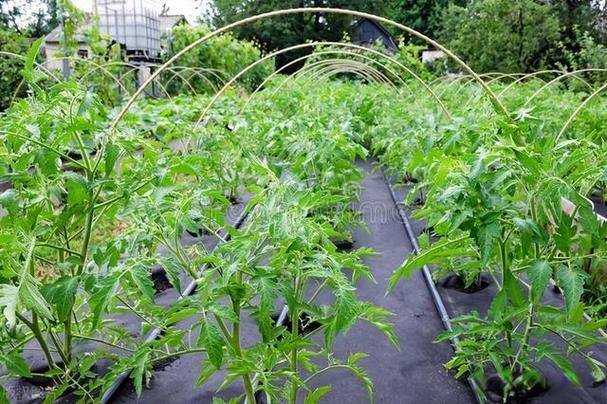
3. Nursery and nursery management: 72-chip seedlings. When the seedling is ready, it is ventilated, wet, cooled, and fat water is applied in a light-seeing tree, which is long enough to take place in the clear, as appropriate, and every 10 to 15 days, it is sprayed with bacillus or mercuric manganese zinc。
Iii. Daejeon
1. Land selection, landscape. The selection of plots that were previously uncultivated with eggplant crops for deep-drying, with a distance of 1. 2 metres and 20 cm high, and perforation at a distance of 60 x 40 cm, with 2,800 to 3,000 units per acre. 500 kg of farm fat and 40 kg of compound fat for base fat in acres, with membranes leveled, covered and pressured。
2. Planting in due course. After the usual late-night frost, on or about 10 may, when the tomato leaves range between 6 and 7, healthy and disease-free seedlings were planted on the ground and the membrane lids were compacted and the root water was ploughed in time。
3. Strengthening the management of agricultural land
(1) fertilizer management. Water will be installed in a timely manner when the seedlings are slow. Tomato fertilisation is dominated by organic and compound fertilizers, with acres applying about 30 kilograms of compound fertilizers when the first fruit is fully developed, followed by the application of fertilisation and water, as appropriate, depending on the size of the seedling tree。
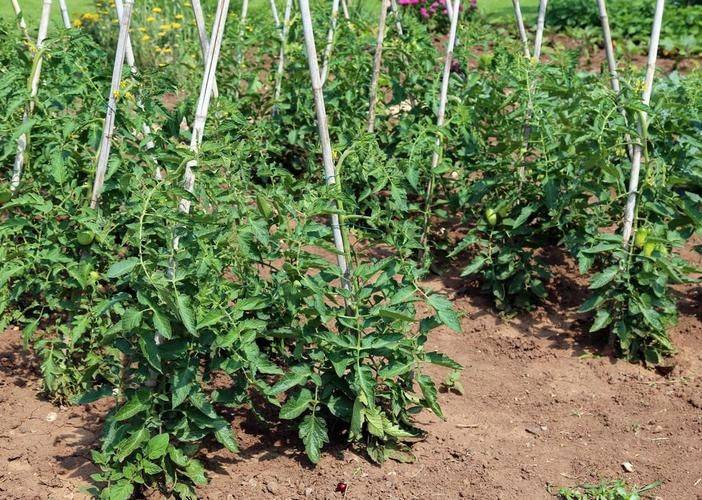
(2) fork and top. The timely and complete reduction of nutrient consumption and the improvement of air-to-air light conditions are conducive to flowering. In general, a single pole is used as a whole, with the remainder removed except for the backbone. Cardiac tops in time for infinite growth. Get rid of old leaves in time, so they can get a good ventilation。
Iv. Tomato disease prevention
The prevention and treatment of tomato diseases is based on a “preventive and integrated approach”。
1. Agriculture:
A. Selection of disease resistant species。
B. A three-year rotation with non-cheese vegetables。
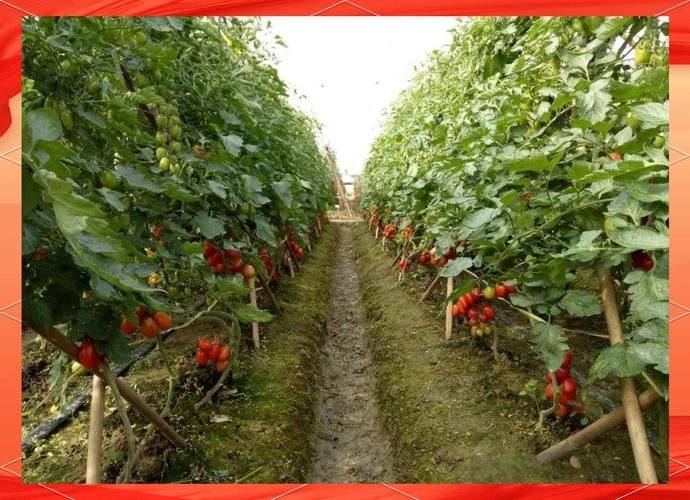
C. To improve ventilation, tomatoes must be mounted early in the morning, with a full branch, and their lower leaves removed。
2. Chemical agents:
A. Night tomato disease. When a strain is discovered, it is immediately treated: 64 per cent of the acres are treated with 400 times more venom or 500 to 800 times more mercuric manganese zinc or 25 per cent with 800 to 1,000 times more venom or 75 per cent with 500 times more liquid spray. B. Stomach asphyxia. Seventy-two per cent of the agricultural sulphate chain carcin 200 ppm or 77 per cent can kill 150 to 200 grams of water per acre for root control。
Collection:
1. Outgoing transport or storage: generally the fruit is fully grown up and the colour is changed from green to white, which is the harvest standard for long-distance transport or storage。
2. The fruits present a variety of colours that are most suitable for raw food and are readily available。



