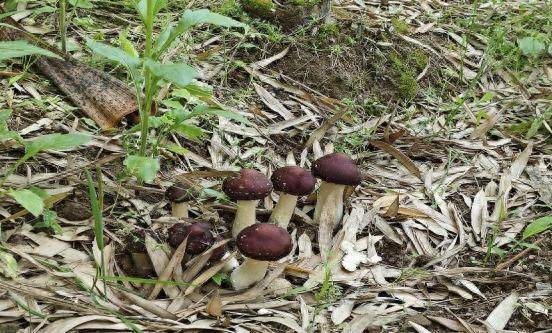
Under the forest, there is no competition with agriculture, nor with food. A chubby “red head” sprung out of the soil, in the zhao poo-jing base of the village of zhao po, quiang village, anhui guangde city, and with a very encouraging rise. Farmers are travelling through the forest and are systematically picking, sorting and packing。
In recent years, shuang tong village, guided by ecological priorities and green development, has focused on the growth and growth of the village-level collective economy, making full use of natural advantages such as the favourable climate of forested land and fertile soil under forest, through the organization of “party-building + cooperatives + farmers”, with a view to developing the distinctive “under-forest economy” and recycled pine and ginger. Since 2021, the quality and growth time of the 40 acres that have been grown this year has increased more effectively than in previous years, with more than 3,000 pounds per acre being produced。
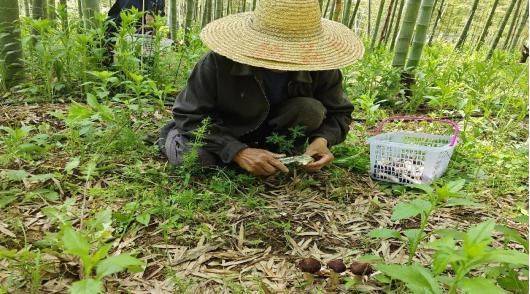
“i've been working here since i started growing red pine in the village. It's easy, it's easy to stagger, it's enough to work at home at my age and to look after the home.” a 67-year-old farmer kang woo said。
Cultivated with red pine, without the need for artificial additives such as pesticides and fertilizers, green without pollution, simple environmental protection and high mushroom rates. Surplus after harvest is used as organic fertilizer, with a high level of ginger production and a stronger sense of mouth. This ecological cycle, which ensures quality as well as cost savings, also increases the efficiency of forest land production and is suitable for rural extension. Turning to the future, the secretary of the handong village party said with confidence: “at present, there is a high market demand for red pine and its processed products and relatively few growers. Following this, we intend to expand the scale to bring villagers together to grow, develop deep processing, sightseeing, technical guidance, etc., and to expand the revenue-generating industrial chain to help revitalize villages.”