


Scatter-free fruit cucumber seeds in shallow greenhouses in autumn and winter
The advantages of greenhouse cultivation
Greenhouse cultivation is undoubtedly an important component of modern agriculture, which is easier to control environmental and growth conditions than outdoor cultivation, and can be rationalized according to the different needs of crops for temperature, humidity, light, etc., thereby increasing yields and quality。
In autumn and winter, greenhouse cultivation can avoid the effects of such adverse factors as coolness, drought and frost, and can provide a more stable farming environment that effectively ensures crop growth and development。
In addition, greenhouse cultivation can enhance management and control to avoid weather disasters, pests and overuse of fertilizers, which are important for modern agricultural construction。
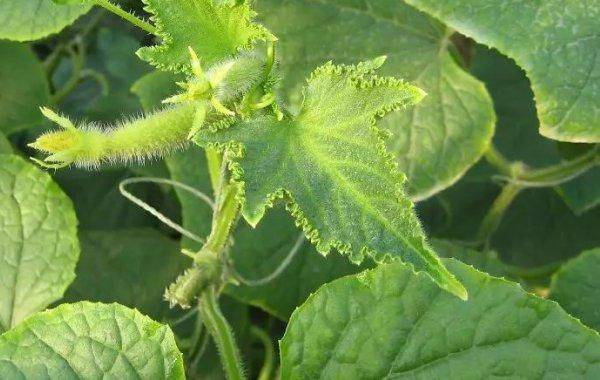
Ii. Introduction and breeding techniques for cucumber seeds
1. Choice of good varieties
As cucumber-free fruit varieties, it is usually necessary to select good varieties such as pre-maturity, high yield, good quality and disease-resistant to achieve higher yields and better economic benefits. When introducing varieties, attention needs to be paid to geographical adaptability and resistance。
Breeding techniques
Feeding is key to seed cultivation and to ensuring the quality of cucumber growth. The following steps are taken:
Seed treatment: cucumber seeds require water washing and disinfection prior to seeding in order to increase gerontization rates and reduce the risk of infestation。
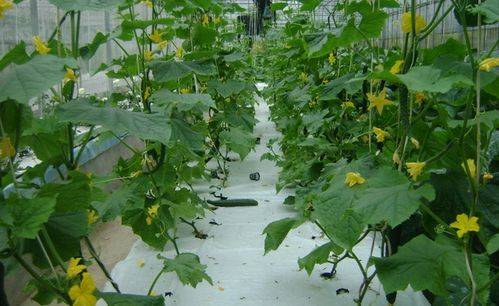
(b) cultivation media: media such as foliage soil, leeches, pearl rock, etc., may be used, or appropriate nutrients such as nitrogen, phosphorus, potassium may be added as required。
Temperature control: the cucumber prefers a warm, wet environment, with normal nursery temperature between 20 and 25°c and relative humidity at around 80%。
Light management: the cucumber prefers a well-soiled environment, which requires 12 to 14 hours of light at the beginning of the nursery period, which can be gradually extended to 16 hours。
3. Plantation and management
The cultivation of cucumbers, which is generally transferred directly from nursery to greenhouse, requires attention in the following areas:
Replanting time: it is desirable to take place when the second leaf of the seedling is open, and the time of subsequent transfer is generally between 7 and 10 days。
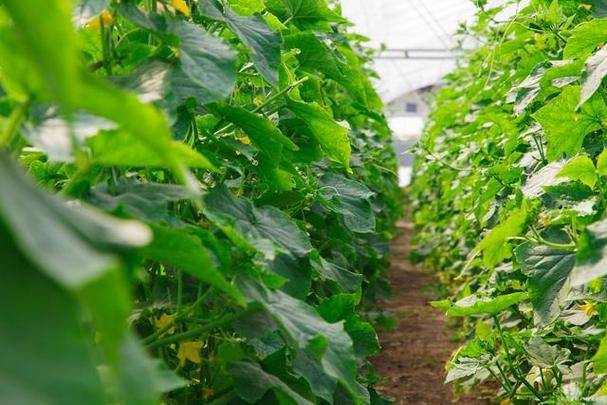
Temperature control: after planting, the temperature needs to be maintained between 25 and 30°c, and appropriate cooling can facilitate thawing and fruit development。
Fertilizer management: care needs to be taken to control soil moisture and fertilizer application to avoid laxity or lack of water and fertilizer。
Pest and pest control: periodic inspections and inspections are required to detect pests and diseases and to take timely measures to combat them。
Concluding remarks
Research and development and application of non-hazardous farming techniques not only guarantee the safety and health of consumers, but also provide strong safeguards and support for the quality and efficiency of agricultural production. Greenhouse cultivation needs to be accompanied by a focus on environmental protection and the rational use of resources to further promote sustainable agricultural development。



