According to the latest data from the german federal statistical office, total food production in germany reached 45 million tons in 2025, an increase of 16 per cent over 2024. Winter wheat production reached 22. 6 million tons in 2025, an increase of 27 per cent over the previous year and an area under cultivation of 2. 9 million hectares; winterseed production reached 4 million tons in 2025, an increase of 10 per cent over 2024. The federal ministry of agriculture, food and regional identity of germany will invest about 10 million euros to support the digital transformation of agriculture and scientific and technological innovation。
Nearly half of germany's land is devoted to agriculture, of which about 70 per cent is cultivated land. Over the years, the number of agricultural workers and farms in germany has been decreasing, but the size of farms has been growing. Food acre production is increasing thanks to agricultural mechanization, agricultural digitization and organic agriculture. With increased productivity, the number of people who can feed a german farmer increased from 17 in 1960 to 153 in 2023。
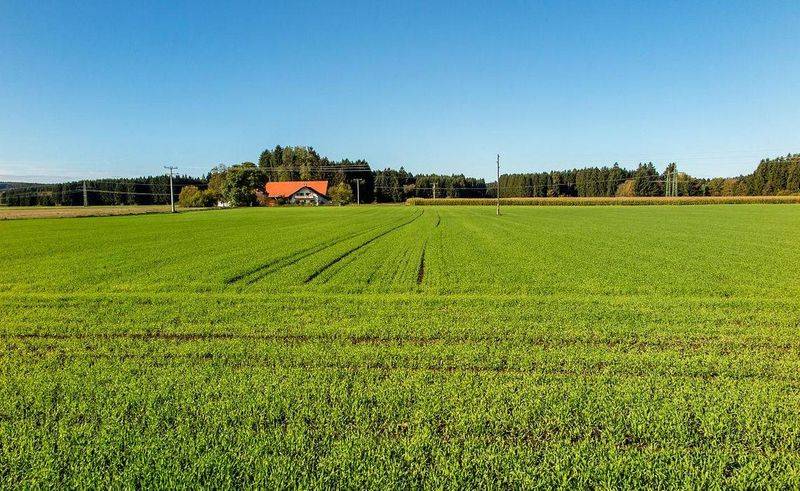
Whether high-tech agricultural machinery, robotics or drones, digitization has become an important driver of the transformation of german agriculture. Between 2019 and 2025, the federal ministry of agriculture, food and regional identity of germany continued to fund 14 “digital test fields” to promote research and application of agricultural digital technologies, amounting to approximately 70 million euros. The government supported the widespread use of artificial intelligence in agriculture and rural areas and planned to invest 44 million euros in 36 joint projects on agriculture, the food chain, healthy diet, etc. Germany has a number of leading enterprises in the area of smart agriculture, including krass, bayer, bosch and basff, covering such subdivisions as precision agriculture, agricultural automation, agricultural goods networking and agricultural software. Surveys indicate that about 80 per cent of german farmers use digital technologies such as drone monitoring, soil analysis and automated irrigation systems。
In 2021, the german government introduced its “accultation strategy 2035”, which boosts the growth of agricultural production and ecological balance. The market report of the german farmers ' association shows that organic food sales exceeded 18 billion euros in 2025, an increase of about 8 per cent. In 2024, organic cultivation in germany grew by 1. 3 per cent to 1. 91 million hectares, and 11. 5 per cent of agricultural land is currently used for organic production. In 2024, organic food sales in germany amounted to euro16. 99 billion, the largest organic food market in europe. The objective of the organic strategy 2030, developed by the german government, is to increase the coverage of organic agriculture nationwide to 30 per cent by 2030。
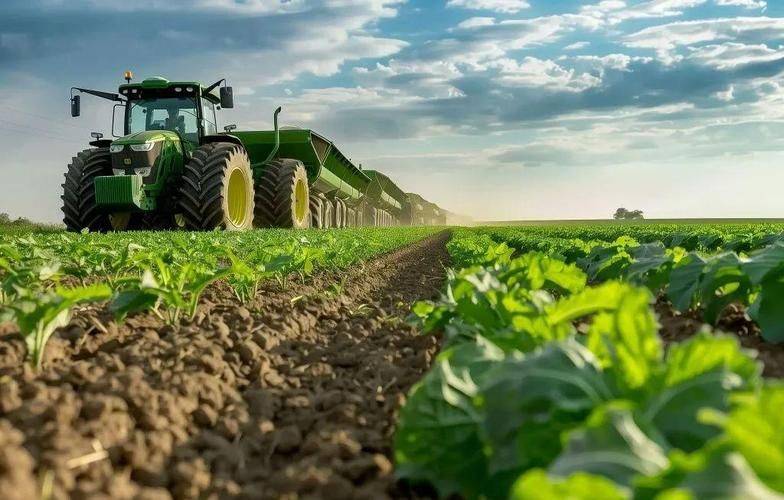
Agricultural development in germany also faces a number of challenges. Over the years, there has been a downward trend in the agricultural sector in germany, and the interest of the younger generation in agriculture has declined. According to statistics, only 876,000 agricultural workers were employed in germany in 2023, and the shortage of skilled agricultural personnel was widening. Rising production costs also put pressure on german agriculture to cope with competition in international markets。
The german association of agro-industries warned that in recent years the food self-sufficiency rate in germany had declined, with an average subsistence rate of 83 per cent, and recommended that the government take more targeted measures to help farmers secure their incomes. Sidler, a cereal market expert of the german agricultural cooperative lef eisen, believes that, in the face of climate change, it is essential for the agricultural sector to adapt its farming methods in a timely manner and increase plant resistance to drought through breeding. Ruckweed, president of the german farmers ' association, stated that in view of the increase in pests and diseases, a relevant plant protection strategy should be developed to speed up the process of approving plant protection products。
(berlin, 21 april)