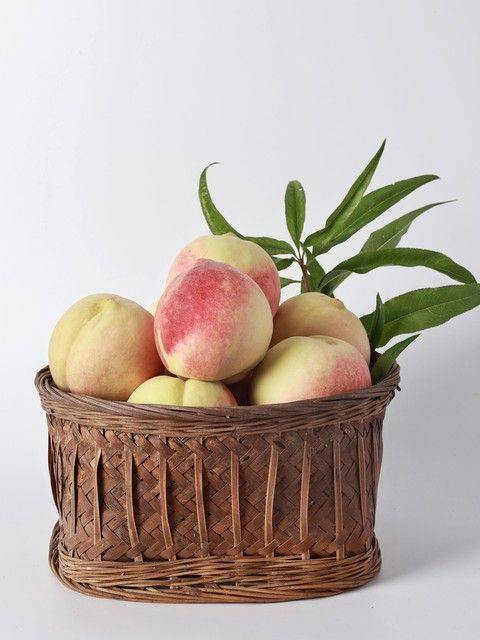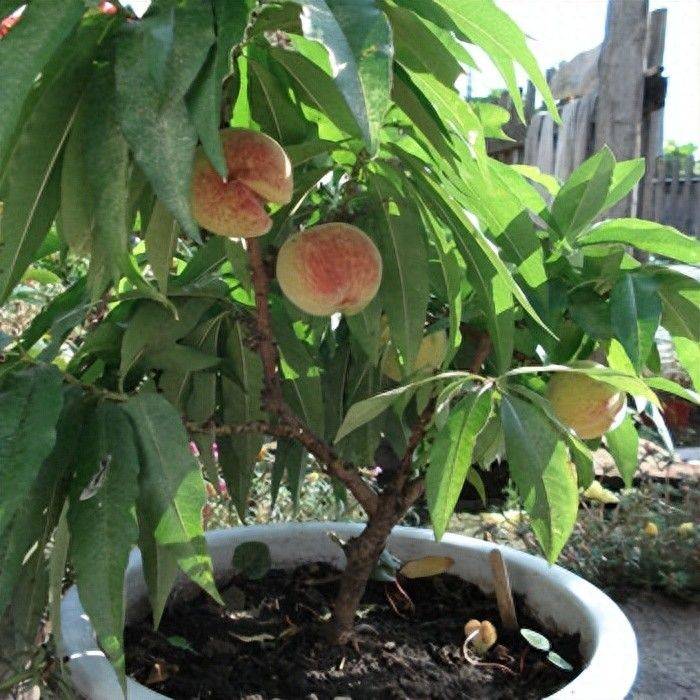
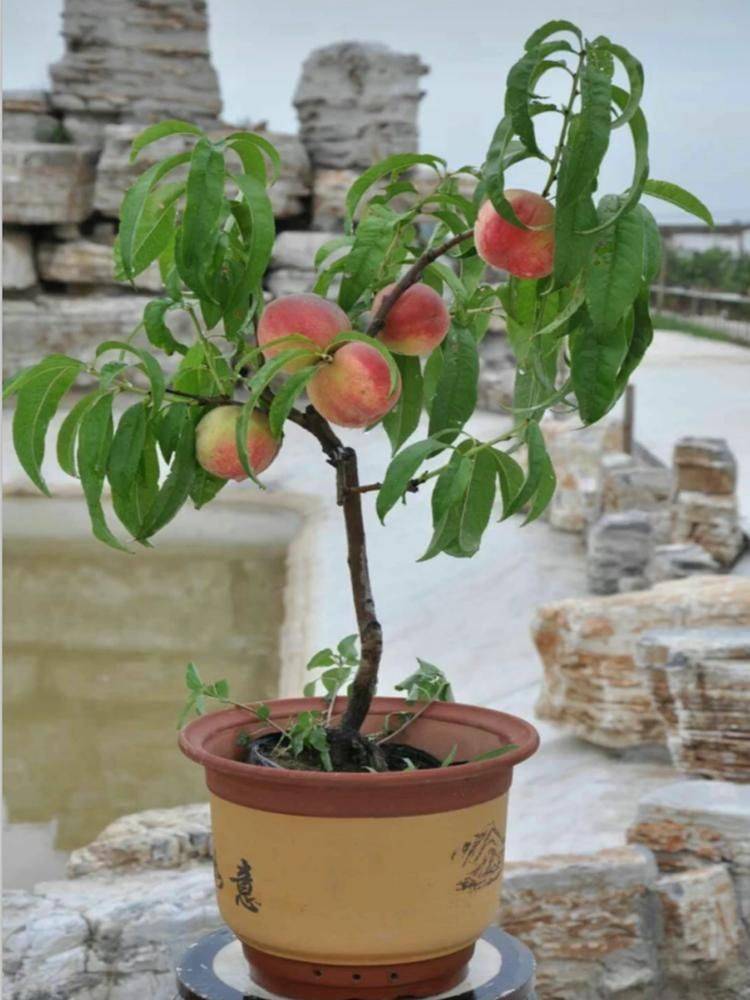
In fruit-basin production, peach-baskets are increasingly popular. Peach is not only colorful, flowery, early, valuable and simple in terms of planting management techniques, which can be easily replicated. Since 1998, the author has been producing a basin view using a small seed of walnuts, which can be shaped and flowered and can be viewed with results. A summary of the fast-forming potting techniques of walnuts is given below。
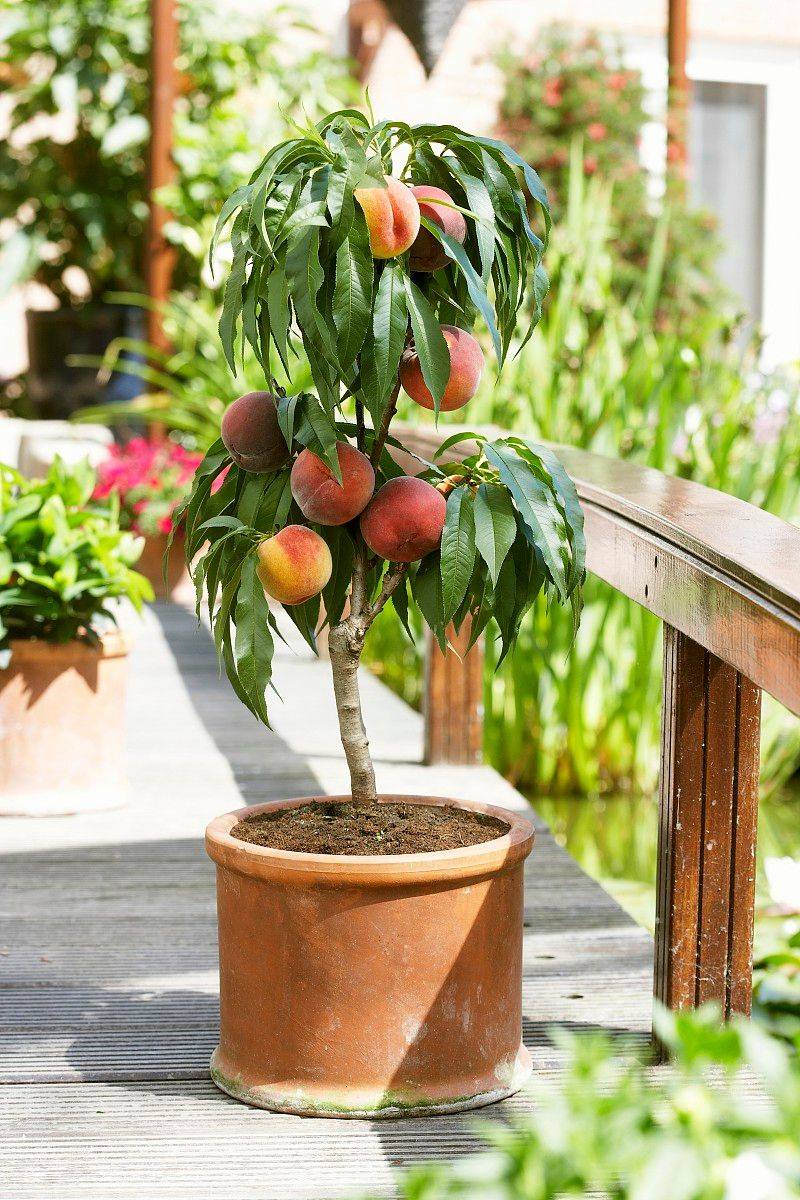
1 species characteristics
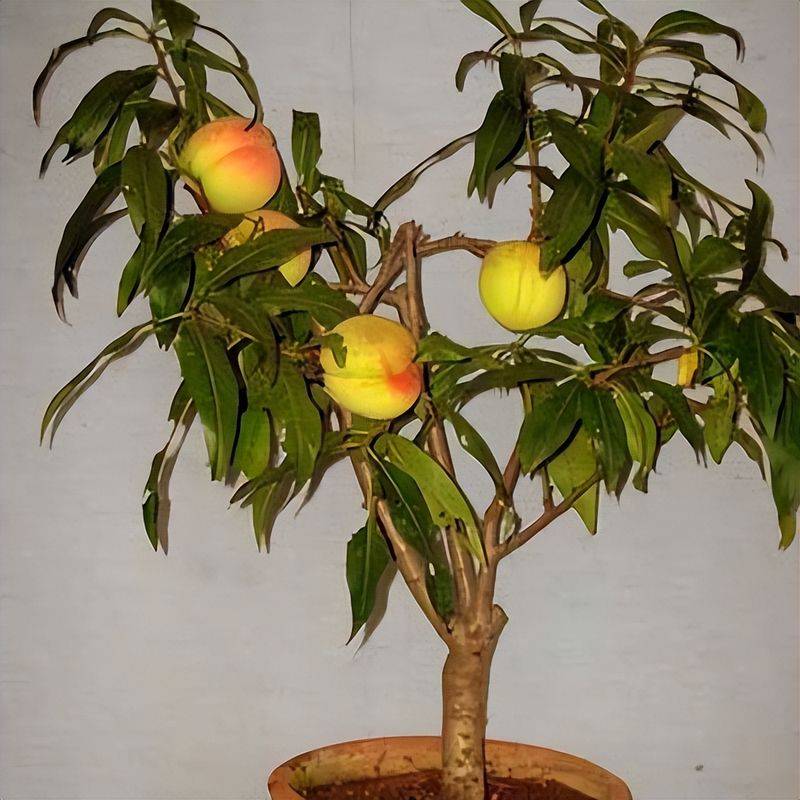
Peach, also known as walnuts, is close to round, larger, yellow and thick, yellow and yellow, and beautiful in appearances, which can be appreciated and eaten and processed. There are a large variety of species, commonly known as “yellow”, “cans 5”, “golden century”, etc., with maturity generally occurring in early august through late september。
2 seedlings
Peach is often incubated by incubation, using peaches as wood, roots that are well developed, fast-growing and easy to form. Peach kernels were planted in the spring, growing seedlings, getting married in the autumn, and lumber stalks were about 0. 7 cm thick, following the accumulation of sand and sand during the previous seasons. It is easy to operate and live with a single guillotine. The matrimony interface is to be slashed, smooth and smooth, and the formation layers of the ears and logs are to be aligned, and the plastic sheeting is to be tight and solid. After that, around 201 cm, the logs are cut from 1 cm above the matrimony interface and can grow up to 20-30 cm high in spring。
3. Cultivation
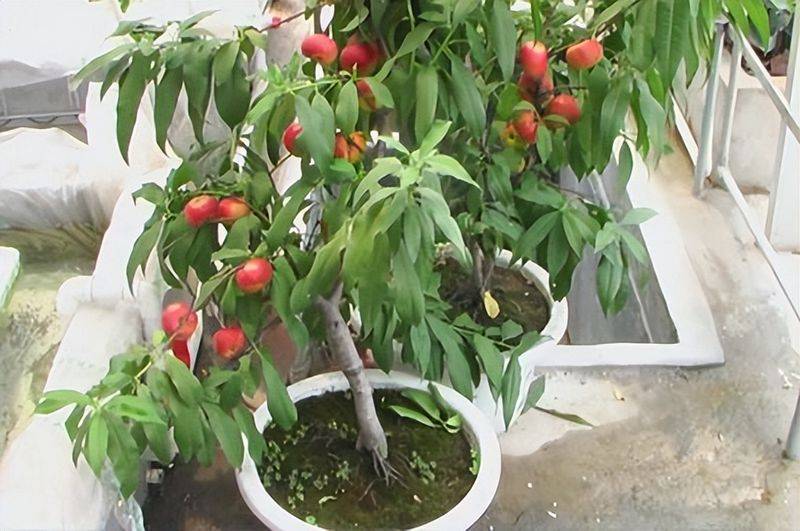
The earth must be nourished and permeable. It is made of 4 earths, 3 earths of decay, 2 slags or sands, and 1 manure of rotting cure and duck. To increase fertility, a small amount of compound fertilizer can be added, followed by a small quantity of potassium permanganate and furanan, and insect sterilization。
Four flowerbath options
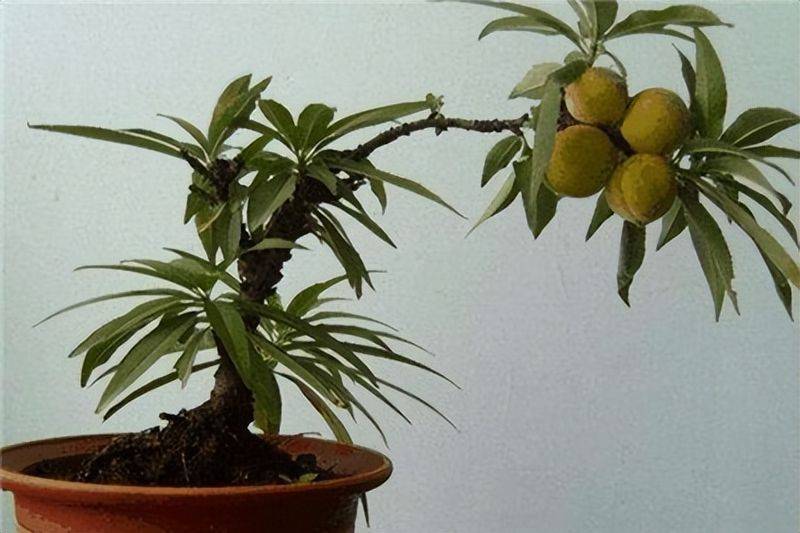
A mud basin with a calibre of 30-40cm and a height of 25-35cm is suitable for growth and development at the root and is affordable, lighter and easy to use because the mud basin is porous and permeable。
Five to plant
5. 1 uptime
It would be useful to unfrozen in the spring to the pre-breeding basin, and in the south, usually in february-march, at a time when peach trees are rich in nutrients and roots are beginning to grow and become more productive。
5. 2 upper basin approach
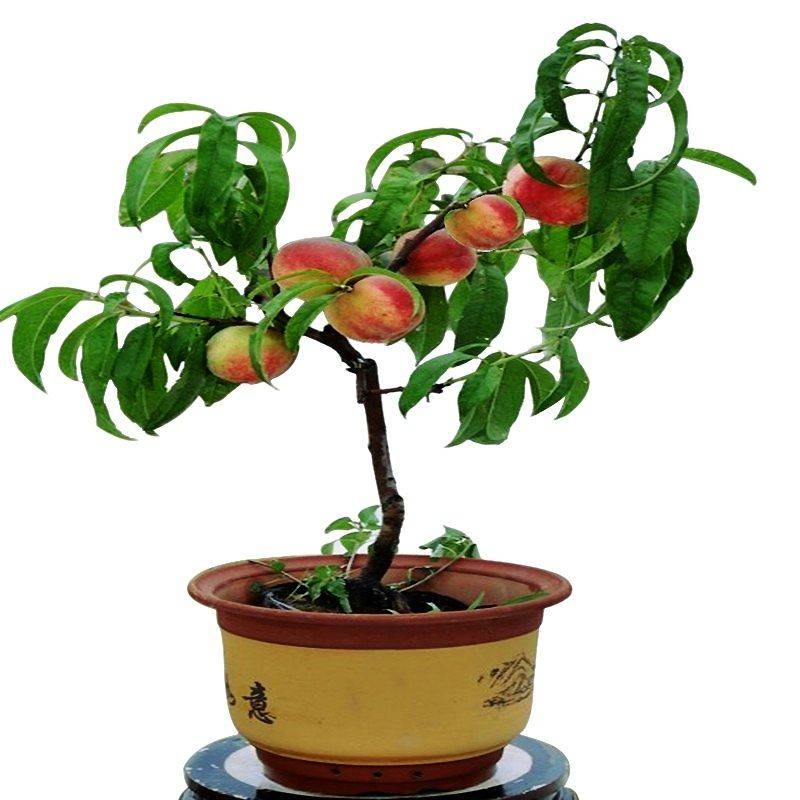
First, the roots of the seedlings should be repaired, the roots cut and the excess ones cut, and the wounds cut flat to prepare the basin. 2-3 pieces of debris on the pellets of the pelvis, with a bumping face to avoid spilling or jamming, and then a third of the soil is planted into the tree. When planting it, it lays the earth on the side, shakes the tree or shakes the basin, stretches the roots as much as possible and binds them to the ground and presses them with its hands on the neck. The tree is planted at depths appropriate to the soil that has just been sown, and the marriage interface is to be exposed to the soil, which is about 3m below the basin, so that it can be ploughed for profit and soaked。
Post 6 management
6. 1 shrimp
In order to increase ambient temperatures and accelerate slow seedlings, buds and growth, the flower basin should be placed in the backwind to the sun. Water is poured on a day-to-day basis and on a three-day day-to-day day-to-day day-to-day day-to-day day。
6. 2 integrative trim
There are a large number of cucumber-planted trees, with three plume, multi-principal strepts, double-principal aberrations, single-principal swigs, and so on. It can be shaped in the current year using the multiplication, fast growth and multi-annual growth of walnuts. That is to say, at the upper basin, trim and dry at 10am above the mating interface, so that the side buds under the clips are precipitous, and then leave three buds in three different slots, with the rest wiped out. When new steps grow up to 15 cm, they take care of the branches so that the basic tree shape can be completed. After the first choreography, the upper two swigs grew more strongly because of their top advantage, affecting the growth of the lower branch, which, in order to balance the tree position, could be stretched at the angle of the branch and inhibit its growth advantage. New steps on the straight or back can be handled by twisting. Before the onset of the sprouts, spring shears were made, leaving 20 millimeters short for the three main branches, while the remaining branches were kept short for each of the 3-4 groups。
6. 3 fertilizer water management
The plant yields large amounts of walnuts, has a long duration, consumes more nutrients and is unable to meet its nutritional needs on limited pellets alone, hence the need to catch up and water in a timely manner。
6. 3. 1 following fat
Nitrogen fertilization should be reduced for un or less productively growing pellets, and the frequency of application of organic fertilizers in the pre-growth period should be reduced appropriately, usually by about one chase at 15d: before and after the flowering of the pelvis is concentrated in the fertilization period, and the application of organics eliminated
In addition to liquid fertilizers, 0. 2-0. 3 per cent of inorganic nitrogen fertilizer should be followed up and once before and after the flower. There is a greater demand for fertilizers between the hard nucleus period and the expansion of the fruits. There is a particular need to supplement potassium fertilizer, which is applied every 7-10 d of organic fluids, and to add a small amount of potassium fat to the liquid fertilizer, which is then watered: for more productive and weak pellets, nitrogen fertilizer should be recovered during the growing season to promote nutritional growth and fruit development。
6. 3. 2 watering
Since the walnut growing season requires a large amount of water, and the roots are aerobic and impenetrable, sufficient water should be guaranteed in cases where the pelvis is unspread and water is not accumulated. In principle, it is either dry or watered, and in the summer it should be watered once a day to avoid leaf burning. However, it is necessary to maintain proper early drying in order to control nutritional growth and promote the seat fruit。
6. 4 plumbing and twig
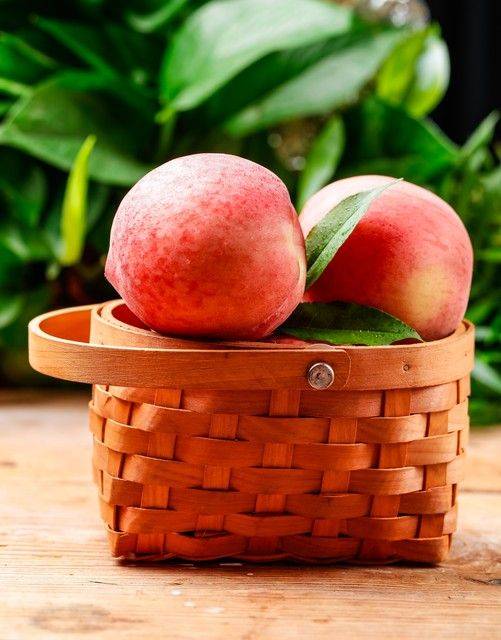
In order to prevent the impact of poor pollination and undernutrition on the walnut fruit rate, appropriate measures should be taken to protect the fruits of the flowers before neglect. A weekly application of 0. 2 per cent of potassium phosphate or boron sand during the flowering period can significantly increase the rate of nematodes. Trees with large amounts of flowers and too many results should be fertilized to save nutrients. It is not appropriate to leave more than 10 fruits in a pot of 50 cm, or 80-100 cm in larger trees, or about 20 trees。
6. 5 pest management
The most common pests in the veggies are peach perforation, aphids, peach larvae, etc. Fulbular perforation can be administered two to three times 65% of the dysentery humid powder 500 times the fluid, or 70% of the methyl tobuzin humid powder 800 times the fluid, with good results: in the case of bacterial perforation, 50-100 mg/l can be treated with agro-chain cartilin. Aphids can be treated with 10% aphids and 3,000 times more humid powder, or 50% more than 2,000 times anti aphid. Peach-eating heartworms, bearing in mind that after may-june rains, the winter larvae are the critical period in which the soil is sprouted, 50 per cent of which can be administered in a timely manner 1,000 times the lsd or 2. 5 per cent of uranus cream 2,000 times the treatment. (shanghai agricultural science and technology)