


The melon is not only sweet and juicy, but also of good nutritional value, a popular melon. However, the sugar melons that are to be grown growed are strong, flowered and grown, and produce high-quality production, not only on the basis of cropping patterns, seedlings, planting, whole chickens, water fertilizer management, pollination and pickling of melons. And the plowing, that is a harvest, a harvest。
According to long-standing planting practices, the village's old melons used to say, "spring melons without water or fertilizing." some people, especially new growers, grow melons in their own kitchens or in front of their houses, largely in the form of heavy management, with less fertilization and less efficient cultivation. So, the melons don't water three times, the melons don't apply three times. Specifically:
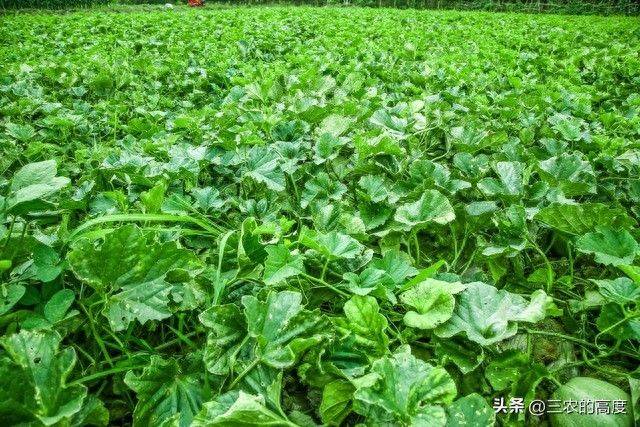
No water
1. No fermented and decomposition water
In rural home-grown farming patterns, many people resort to heavy management, sometimes watering the melon with diluted faeces, either as a drought-proof or as a fertilizer chase, or sometimes as a water-coated application to farmers。
However, care must be taken not to pour under-fermented and decomposed water. For insufficiently fermented manure, such as cattle, sheep and chicken dung, contains not only large amounts of harmful substances, such as grassseeds, eggs and fungi, but is not fully fermented, and provides meringue with a direct watering of the meringue, which can cause serious infestation, thus affecting the normal growth and development of the melon and making it difficult to achieve its purpose。
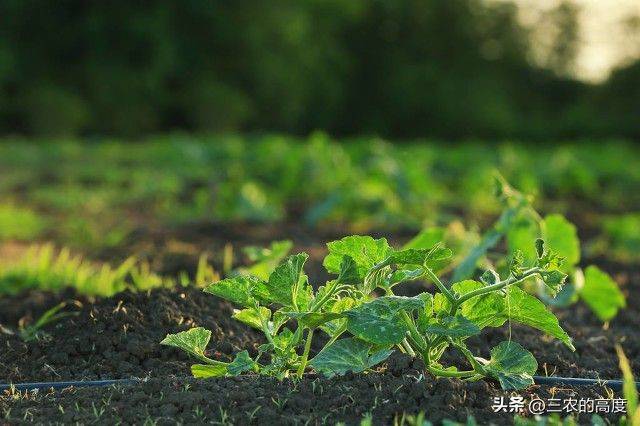
2. Small water flooding
In the case of melon cultivation, there is a taboo on watering the melon in the form of water pouring. First, the root of the melon is very aerobic and accommodative, and it can easily lead to sedimentation of the soil, slabs, poor structure of the grains of the soil and poor aerobics, and, in the event of humid rainfall, to the potential of the melon to cause root decay。
It can also spread pests and diseases between the melon plant and the plant due to flooding. In the case of shantytowns, heavy water is also prone to heavy air moisture and disease. Moreover, during the guacamole period, heavy water fills the wetlands, and in high-temperature conditions humid melon fruit is susceptible to infection by bacteria and diseases such as decay. As a result, special shed growers may use dark or drip irrigation, with conditions that are more conducive to the production of melons。
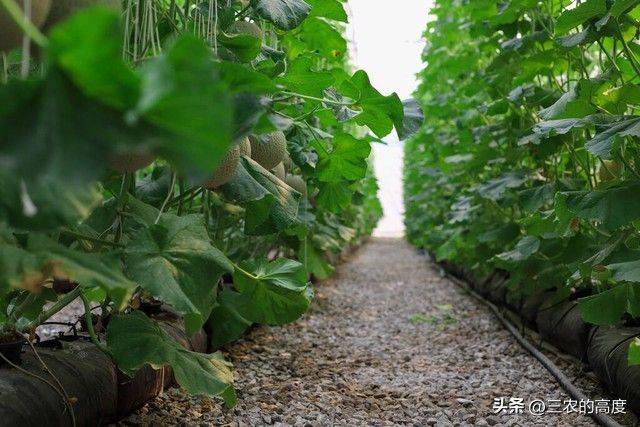
3. Watering and drought
Water for melons is also taboo. Because of the dry and dry manner in which the water is poured, rapid temperature changes can easily cause physiological damage to the root systems of the melon, thus affecting its normal growth and development。
Dry and dry, like a man who is hot and thirsty, can't take the shower. Peasant melons are no exception, especially when they enter the flowering season of reproductive growth. If they are dry and rain-free and are not irrigated in a timely manner, they can easily lead to large areas of falling melons, with severe conditions leading to the death of the melon plant. In the production of melons, it is important to avoid prolonged drought and flooding, which should be done in a small manner, and to keep the soil in order。
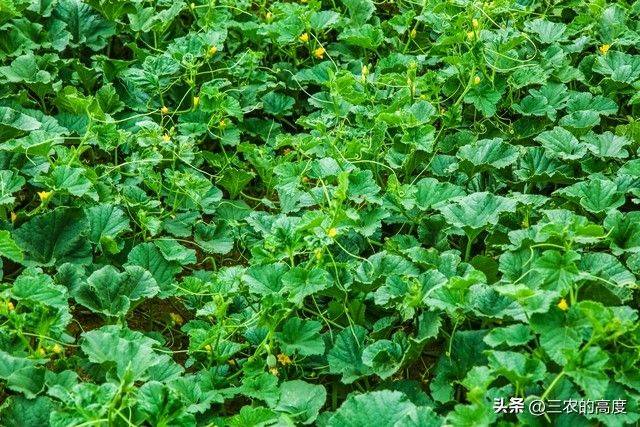
No three-fertilizer
1. No application of undecomposition organic fertilizer
It states that the management of the melon plant is carried out in such a way that it is forbidden to water the fermented water. In fertilizer management. In the same vein, the application of fermented organic fertilizers is taboo。
Insufficiently fermented animal faeces, as well as a variety of pie fats, contain not only large amounts of harmful substances, but also large amounts of thermal energy, which, when applied, is prone not only to various pests and grasses, but also to secondary fermentation, resulting in heat that can burn a seedling to death. As a result, melons are grown and the application of fermented organic fertilizers is taboo。
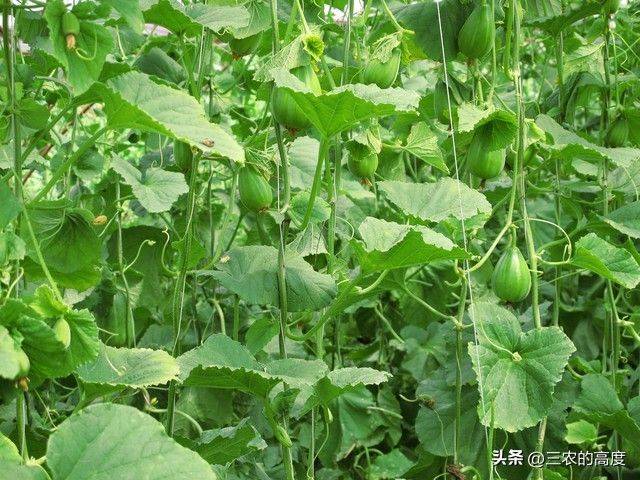
2. No application of chlorine fertilizer
The melon is antichlor crop. During cultivation, the application of chlorine-containing fertilizers such as ammonium chloride and potassium chloride is banned. Because the quality of the melon and its good and bad commodity nature often depend on the sweetness of the melon, which, if it is not sweet, is notorious, the taste of the melon and the value of the commodity is significantly diminished。
The application of chlorine-containing fertilizers, on the other hand, can have a direct impact on melon-diversion accumulation, on melon sweetness and, on the other hand, on melon melon non-sweetness and its commerciality. Thus, sweet melons, be they watermelons or melons, belong to anti-chlorine crops, mainly because of the fear of chlorine-containing fertilizers, which affect their sweetness, their eating, their eating, their eating, their eating, and their emotional effects。
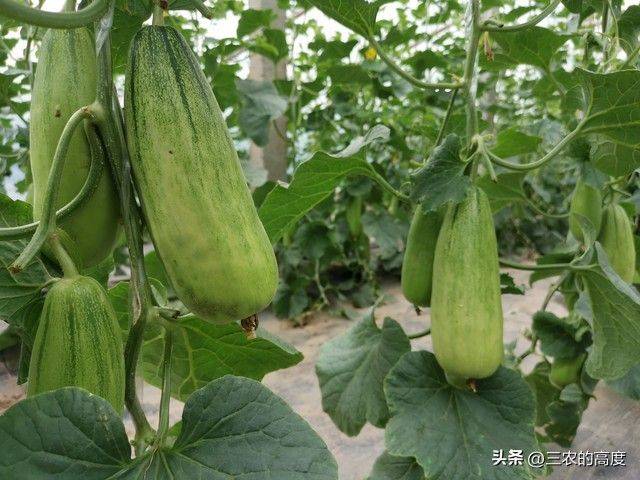
No nitrogen fertilizer
Nitrogen, phosphorus and potassium are three factors in crop growth. Although nitrogen plays a significant role in the production of melons, it serves not only the growth of the melon plant but also its expansion and production. But it's forbidden to use nitrogen fertilizer。
If the melon plant is overstretched with nitrogen during the pre-birth period, it is not only likely to lead to the growth of the melon plant, but only to the growth of its seedlings and the absence of flowered melons. In particular, it enters the period of expansion of the melon fruit and, if it is applied with fast nitrogen fertilizer, it is easy to reduce the sweetness of the melon and affect commerciality。
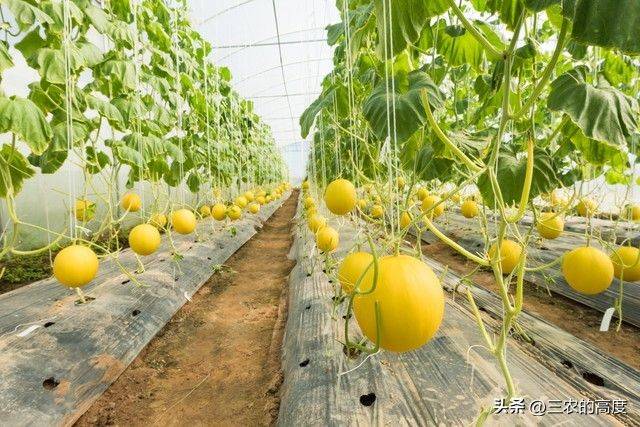
Growing melons, these three techniques
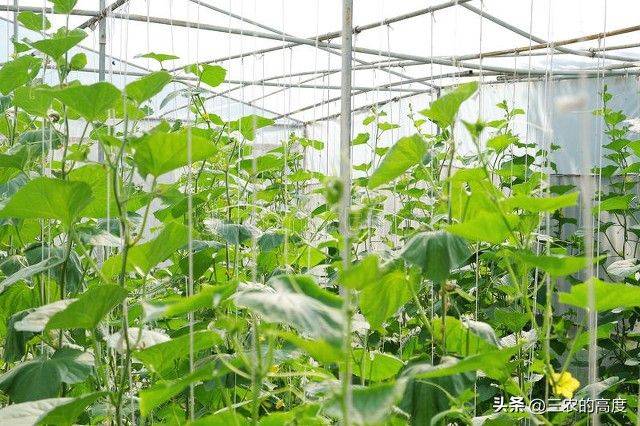
1. Whole branches: the planting of melons is important and should be done rationally according to varieties, patterns, etc. The whole branch consists of a chicken, a chicken, a larvae, or the removal of extra chickens, with a reasonable length, leaves, rolls, etc. The aim is to better achieve the purpose of planting by artificially regulating the growth of plants, shaping a strain with a rational distribution of chickens and leaves, a well-ventilated inter-plant light, nutritional growth and the conversion of reproductive growth to timely high-light efficiency。
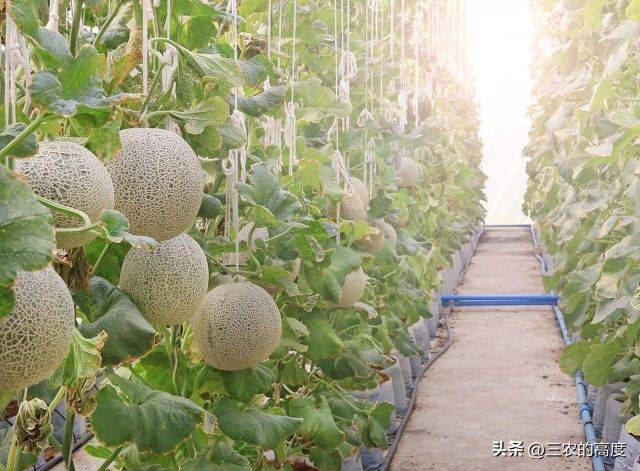
Pollination: sugar melons are pollinators, especially in small areas of the sheds, lack of insect pollination and low natural fruit use, either by artificial pollination or by the release of artificially raised bees during the melon flower season, with higher results. The pollination was carried out around 9 a. M. And the males who had just opened the day were removed, the petals were removed and the female who had opened the guacamole was later slightly painted and pollinated. Pollination can also be done using the term “single gourd”. The flowering period of the melon can affect pollination if it occurs at night at less than 15°c or in the middle of a rainy day, leading to the fall of the melon in serious cases. An option may be to spray the subhouse with a 50-fold dilution of ketchup, or to spray the infarction with a ba agent (just as indicated in the instructions)。
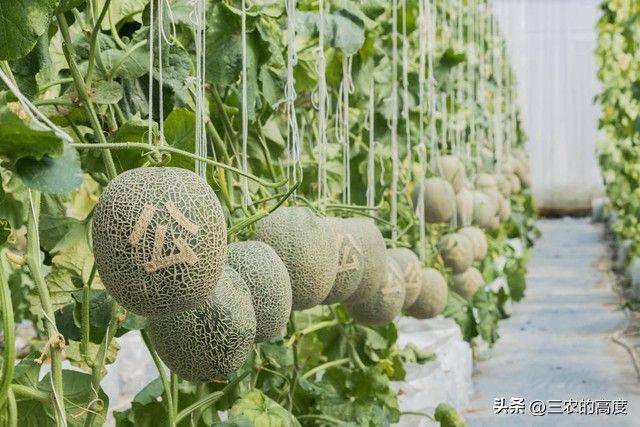
3. Leaf fertilization: growing melons should not be neglected. Fertilizer application not only protects melon blades, but also prolongs plant activity, supplements micronutrient deficiencies and improves the quality of the melon fruit. When calcium is insufficient, the melon-fruit surfaces are coarse and white; when the boron is insufficient, the fruit is prone to brown spots. Calcium and boron affect the sugar content of melons, increasing the application of calcium phosphate to special calcium, contributing to colourful fruit skins, beauty and high sweetness. As a result, leaf fertilisation and timely replenishment of required elements contribute to the quality of melons。
In the light of the above, the cultivation and management of melons require attention, and it is not difficult to promote high-quality melon production。



