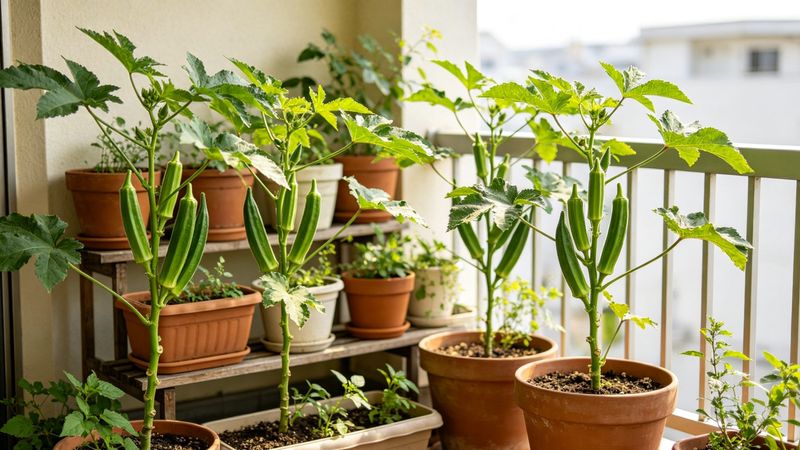
It will soon be rained in the valleys, “pre- and pre- and pre-erain and pre-planting the melons”, except for a few areas in the north-east and north-west that will grow by may, and most of which have begun planting and shifting the various melons and vegetables, such as cucumbers, pumpkins, melons, melons, etc. But melon vegetables are poorly grown, and they are grown in “twices, quintoons” and how much of the melon is, and whether the melon can sit on it, the most important of which is management, except for varieties and growing environments. So, how do we manage the melon vegetables? This focus is on the seed age, which remembers the following: not only do the melon, but the melon can still sit。
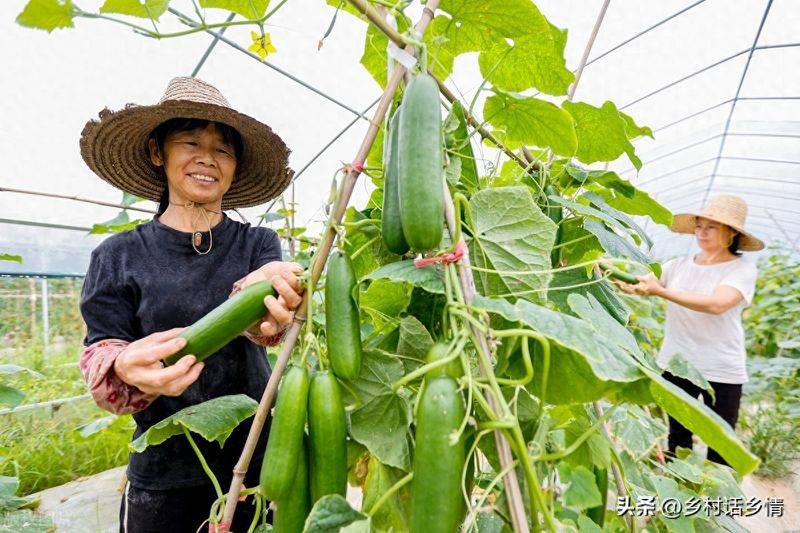
One, be careful not to water
The focus of the management of the melon-vegetable period is on rooting, giving it a well-developed root system, which will not be able to absorb nutrients until the melon is formed, and if the roots are weak and the melon is not adequately supplied, it will easily lead to fall. In the first place, after the guacamole has grown to three real leafs, or when the seedlings have been planted, less water must be poured, so long as the soil is not very dry. It is hard to sit when the water is too much, not only because of its roots, but also because it grows. Therefore, from the seeding period until the flowering, the soil should be slightly dry and not overwatered。
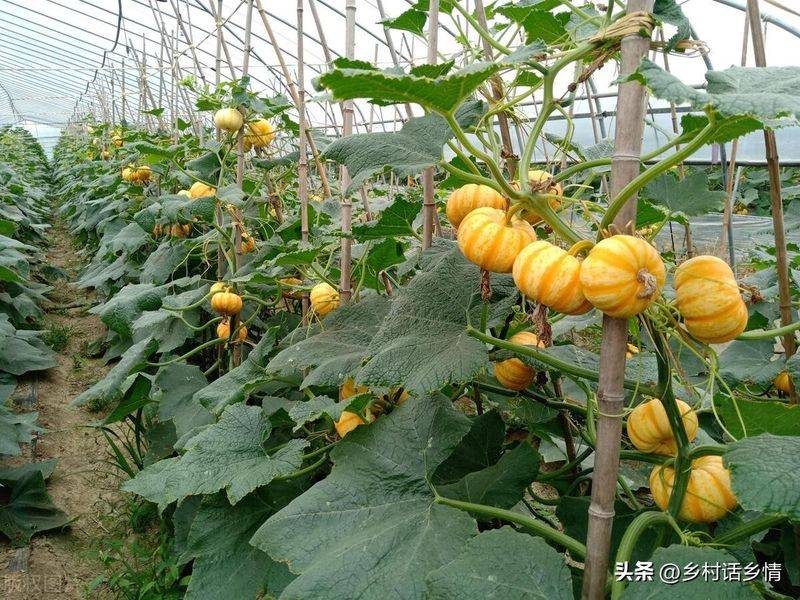
2. Intrinsic, lax soil
Whether a melon or other vegetable, the most popular of the seeding season is intubated sorghum, which has many advantages: first, to defusing the soil and increasing its permeability. Second, it fosters the growth of the roots of the system and contributes to their ingraining deep into the earth. Third, weeds can be removed in a timely manner and pests and diseases can be reduced. Fourthly, it acts against drought and floods, as the saying goes: “the seed is not tickling, the longer it is scratching”. So when should we do it? It's just that once the water is done or the rain is done, when the soil surface is dry a little, it melts in time and works very well。
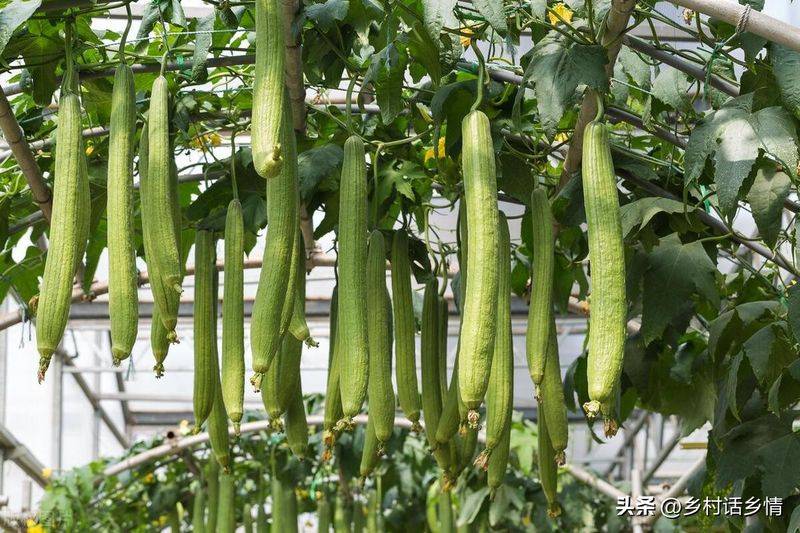
Three, no fertilizing
Whether they grow cucumbers, pumpkins or other melons, if they are used adequately in planting or shifting cultivation, don't go after the melons before they are taken, and wait until the cucumbers sit down and do so, which is often referred to as “no, no.” because when bottom fertilizer is fully used, it can easily lead to guacamole. If, at the time of planting or shifting, no or too little bottom fertilizer is used, a proper amount of seedling fattening can be applied after planting, first to grow the melon, but not to grow it. When the condensed melon sits, it is necessary to catch up with fertilizer in time to avoid defertilization and nutrient deficiencies。
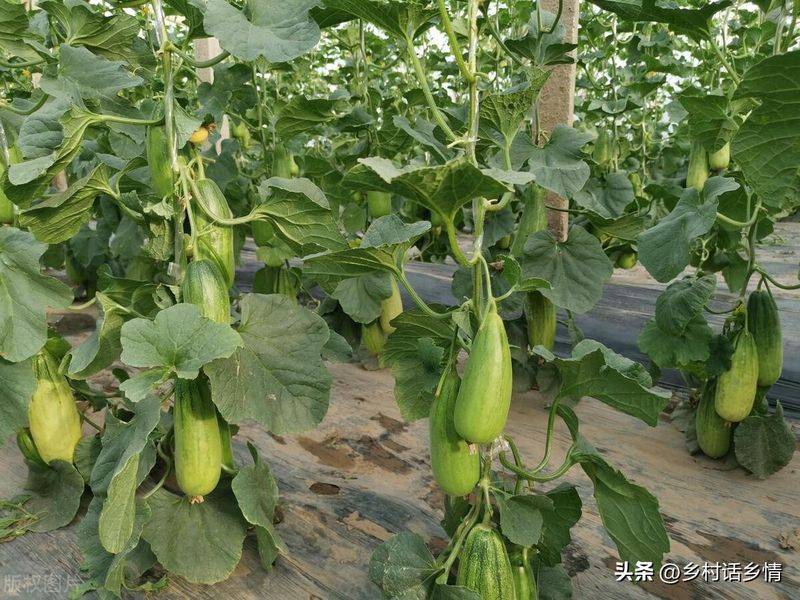
4. Timely adjustment of plants
The melon crop is grown in a whole branch, which is divided into a strangulation, forklift, etc., but different varieties and different methods of the whole crop, e. G. Cucumber, cucumber, cucumber, bitter melon, etc., usually do not have to hit the top, but do not need fork, which is less than half a metre near the ground, i. E. Below half a metre there is no split fork, not enough for eight leaves. Like, the melons in the five leaves of the main chickens have to strangle, keep the chickens and the sunmans, and then strangle their hearts and so on. They are determined according to different varieties。
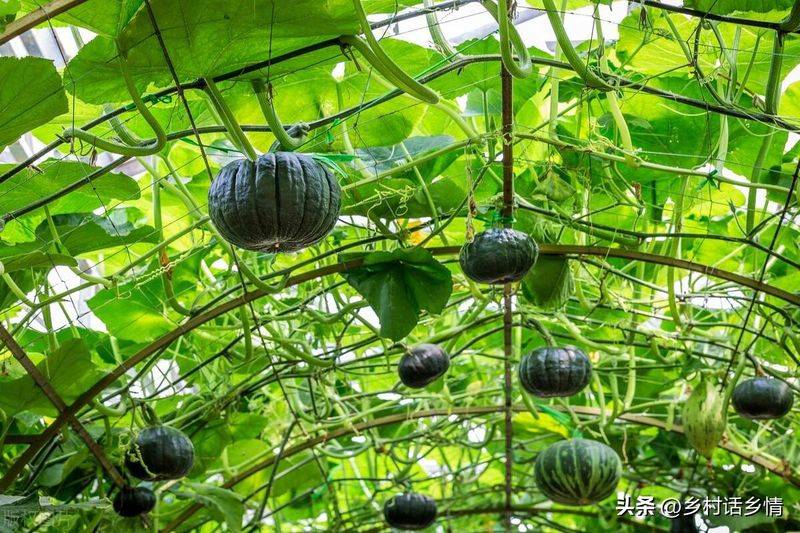
5. Prevention and control of foe diseases
Vegetable leaf diseases are mainly dusty and frostic diseases, which, if they occur at a very rapid rate, can be dealt with in a timely manner, with the option of ethylene esters, enzymes, etc., and frostic diseases with the option of folic acid and mercantile zinc. Attention must also be paid to preventing and combating other diseases and pests。
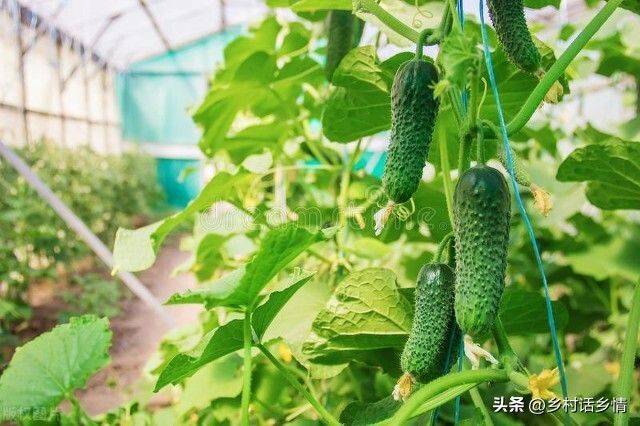
In short, the cultivation of melon vegetables is regulated and, as long as it is managed, the melon is not a problem and the joy of the harvest can be reaped。