As modern farming continues to develop, more and more people are choosing to “plant pasture” to feed their animals. High-quality herbivorous animals not only grow fast meat, but also significantly reduce the cost of breeding, which can significantly improve our productivity。
All we have to do is plant a herb! The prairie, which was introduced from colombia to our sichuan cultivation in 1993, is now the main force behind the “grass-breeding” in various parts of the country because of its high yield, long life cycle, high nutritional value, high environmental adaptability and easy cultivation。
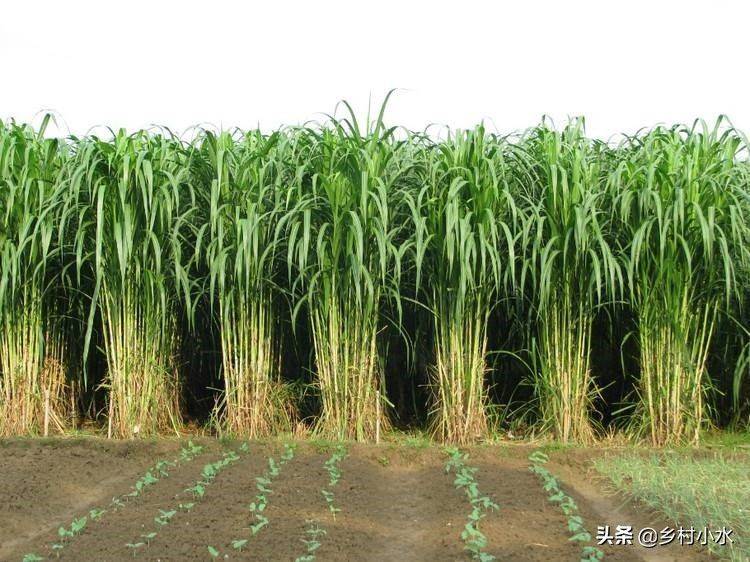
It's called the king of herbage. It's a high-yield, high-quality sheath
I. Acreage is similar to sugar cane with 30 tons
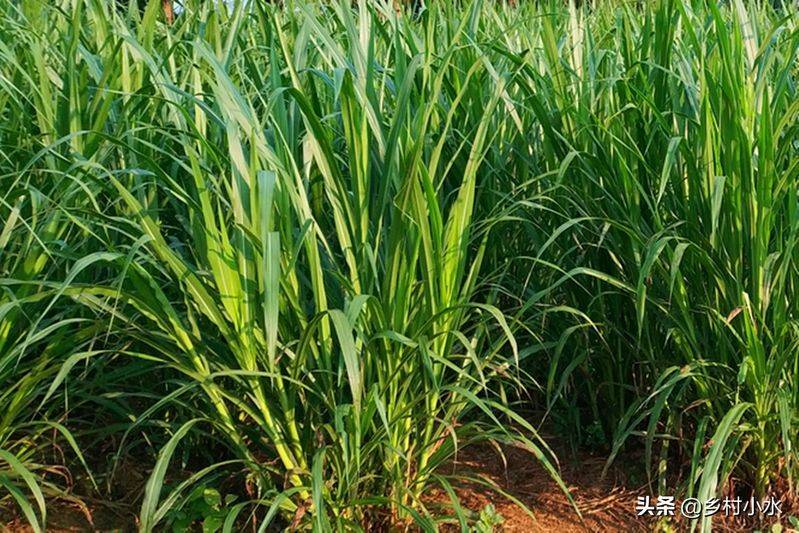
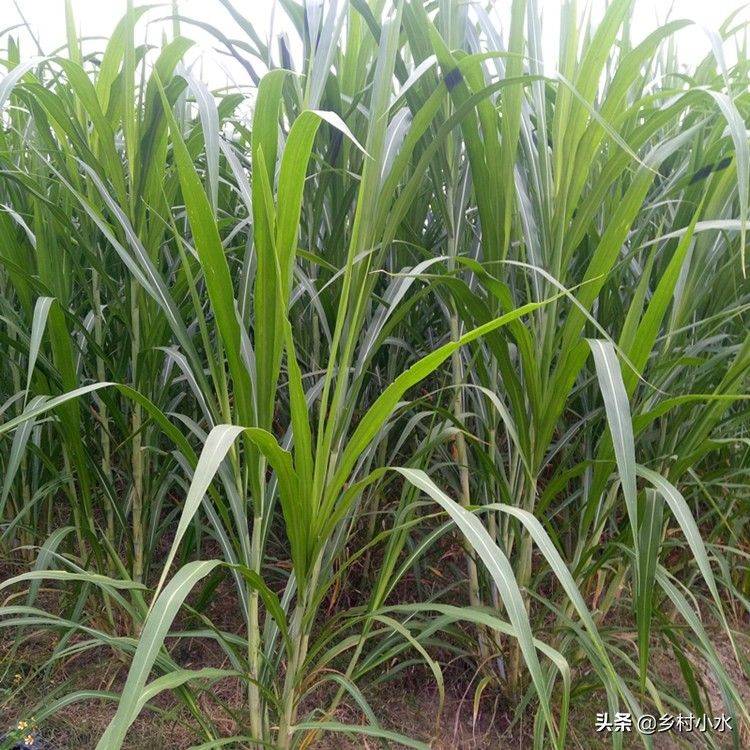
The prairie is a large herbivorous plant that can grow up to 5 metres high, has a thick tuber of up to 3. 5 cm, and is similar to sugar cane。
The length of the leaf leaves can reach 120 cm and the width of the leaves can reach 4 cm. Because of their strong split capacity and their well-developed roots, they grow at a particularly rapid rate after harvesting, which can continue to grow at temperatures greater than 8°c, when the grass grows to 1. 5 m high, and can be harvested five to eight times a year, with an annual acre production of 30 tons and an acre of grass growing to feed five cows。
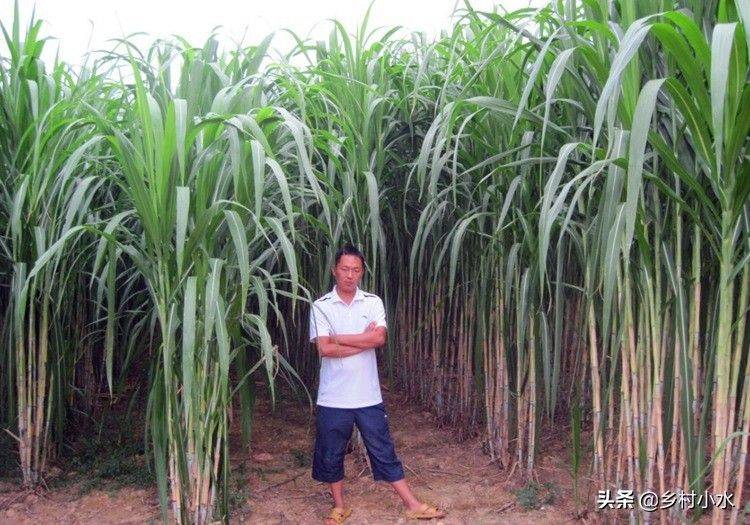
Ii. Long growing age of bamboo and grass, 10 years to grow at a time
It is typical of a multi-year range, with a long life cycle, and can be harvested for 10 years without freezing the underground part。
Because of the long lifetime of use, we can reduce management costs significantly after planting, only catch fat, and then regenerate with a pole after 10 years without a year of seeding。
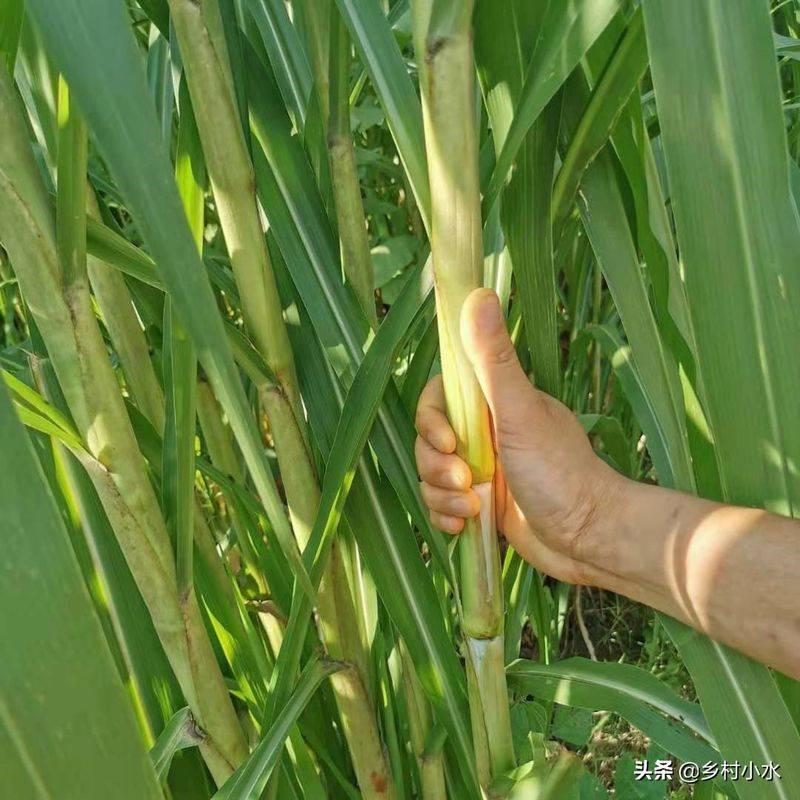
Iii. The prairie is highly adaptive to the soil and is often used to manage the slopes
It is acid-resistant, salin-resistant, drought-resistant, high-temperature-resistant, soil-restricted, and even sticky or infertile soils can grow normally. Because of the strong adaptive nature of the herb to the soil, it is often used for soil and water conservation and for the management of landslides。
Of course, in order to maximize the productive potential of the grass, we better plant it on deep, organic soil。
Caution: the sun and grass are intolerant to low temperatures and the most suitable temperature is 20 to 35°c. The temperature below 8°c will inhibit its growth, the temperature below 5°c will stop and the temperature below 0°c will freeze to death. Thus, where winter temperatures are relatively low, we can increase our winterization capacity by covering membranes and half-dry cow dung。
Iv. There's a lot of nutrients
The prairie is a high-protein herbicide herb and contains as much as 16. 6 per cent of the corrosive protein in the dry matter, and the corrosive protein content corresponding to the cultivation of an acre of mackerel is equivalent to that of 12 acres of maize (ca. 8. 5 per cent of corn)。
In addition, there are large amounts of minerals, vitamins and amino acid in the herbs, and livestock use not only improves the quality of meat but also significantly increases growth rates。
V. The royal grass is a good mouth for almost all herbivores
The prairie leaves are tender, the rods are juicy and sugary and can be used for cattle, sheep, horses, deer, geese, grassfish, rabbits, etc., with no side effects from animal consumption。
When we feed large animals, we harvest at 1. 5 to 2. 0 metres, when we feed small animals at 0. 8 to 1. 0 metres, at 3 to 5 cm heights, and at too low a height, it affects the dichotomy. With high yields, we can plant and feed and store as food for the livestock winter. In order to increase the utilization of grass, we can crush and feed livestock。
How does the grass grow
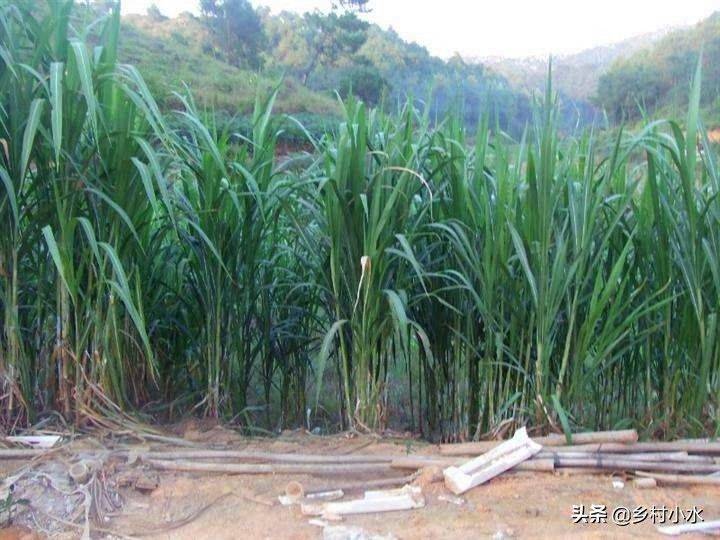
It reproduces sexually, with a pole of 20 to 30 knots, with 10 to 15 cms per section, each of which is a leaf-covered “sprouts”, which can be redeveloped into a new plant. So all we have to do is cut short the rods of the plume, each with one or two knots as a seed section。
It is not strictly required for the soil, and we need to do so in depth, with 3000 kg of fully fertilized farm fatter per acre, with the soil rinsed, sowing when the temperature of 10 cm deep soil is greater than 12 cm, and in april to september of each year, sowing needs to keep the soil wet。
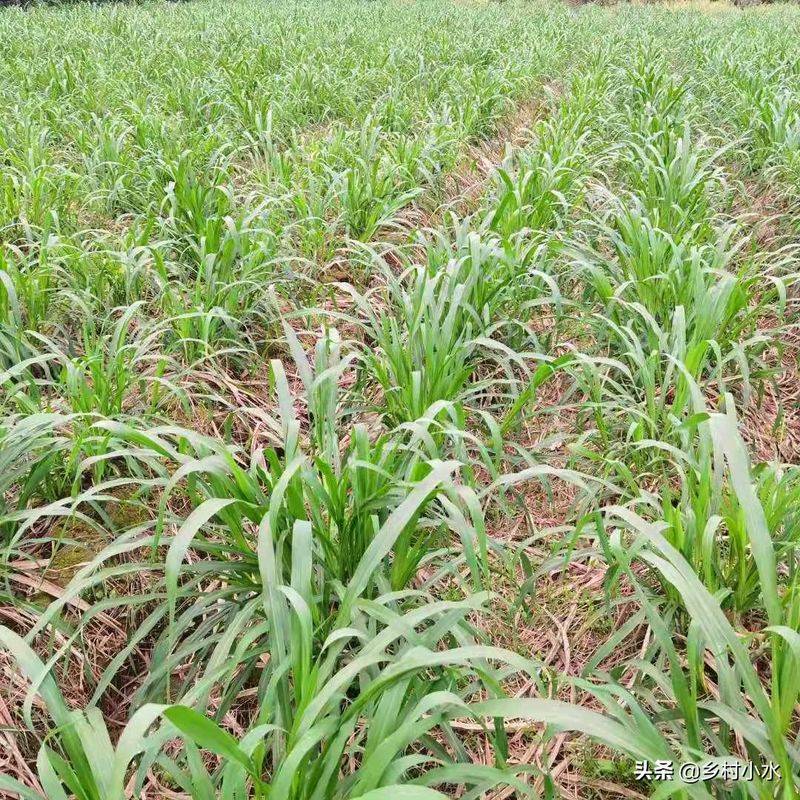
The method of planting is simple. We can flatten, drop, or tilt the seed into the soil, and keep the range at 40 cm, as long as the sprouts cover the soil. After seeding, it usually takes 10 to 15 days。
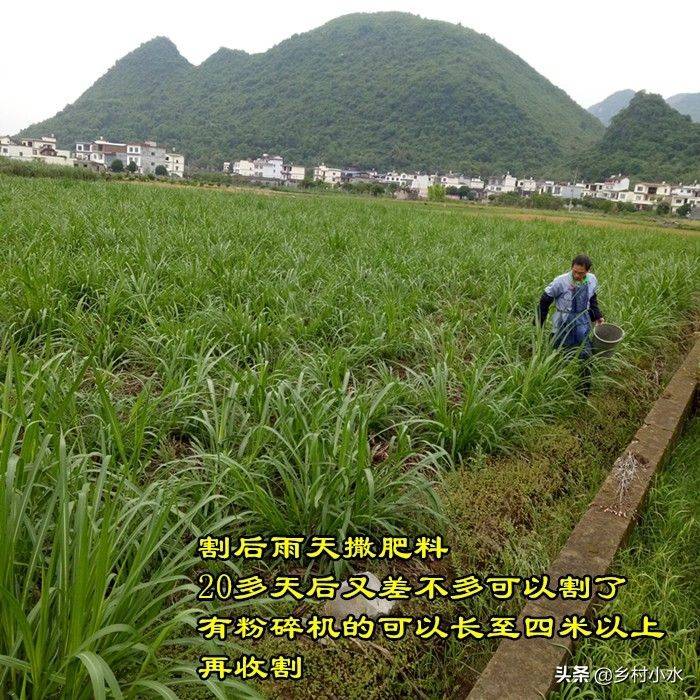
When a seedling is released, it can be followed up 10 days later, and 30 kg of compound fertilizer can be applied per acre in order to promote the growth of the seedling and its fractions. Herbs like nitrogen fat, can be followed by urea at 10 kg per harvest and can grow at a much faster rate if they are conditioned to fertilise decomposition. In areas with abundant sunlight, high temperatures, fertile soil and wet soil, the top of the grass grows very quickly。
In conclusion, is farming profitable? Full control over costs is achieved by the fact that the prairie is a high-quality cutting-out range, which can save significantly on the cost of breeding. In addition to good grazing for livestock, it protects ecology and prevents soil erosion, and is of high economic and ecological value。