


They all say that cattle grow grass first, that it saves costs by raising their own grass, and that it is appropriate to raise cattle before telling them to determine the supply of grass, which can only be bought locally and cheaply. If there was no abundant grass on the ground, it would be possible to buy it out of the field。
It's very expensive to grow grass
Many small-scale cattle-breeders grow pastures on their land to save costs, so that there is a steady supply of grass. Large-scale cattle-breeding households require much more grass, although few tend to grow their own cattle, mostly on a purchasing basis。
Large-scale cattle breeding requires more grass, and if they hire people to grow their own land, there will be not only a stable supply but also cost savings. The cost of one acre is only $500, but it can produce 45,000 pieces of new grass, which is worth a lot of money。
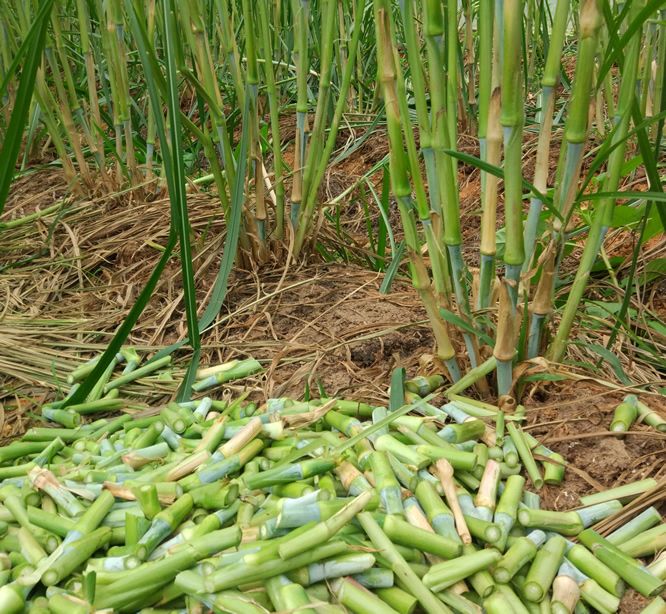
In fact, large-scale cattle growers are reluctant to grow grass, willing to be simple, because it's not cost-effective. The cost of seeding cattle is low, but it will be higher if people are actually invited to grow grass. There are now about 200 bucks a ton of fresh grass, an acre can produce 20 tons and earn up to $4,000. However, if people are really invited to grow the grass, there will be considerable additional costs, and incomes may be far less expensive。
The cost of 100 acres is not much
From the start of a large cattle farm of at least 200 cattle, an acre of prairie can now supply two cattle with herbs, and 100 acres of land will have to be leased to plant herbs in order to stabilize its supply. It is generally arable land that is able to grow pasture, and this rent is not low. An acre of agricultural land like that of an old farmer would cost $1,000 and an annual rent of $100,000 for 100 acres。
A 100-acre land lease was followed by the planting of prairie and grass, the need to level the land and the rehabilitation of some water facilities. Like the old farmers, there is almost no growing rice, no previous canals are visible, and it is necessary to repair the canals in the summer if they are to benefit from the reservoirs。
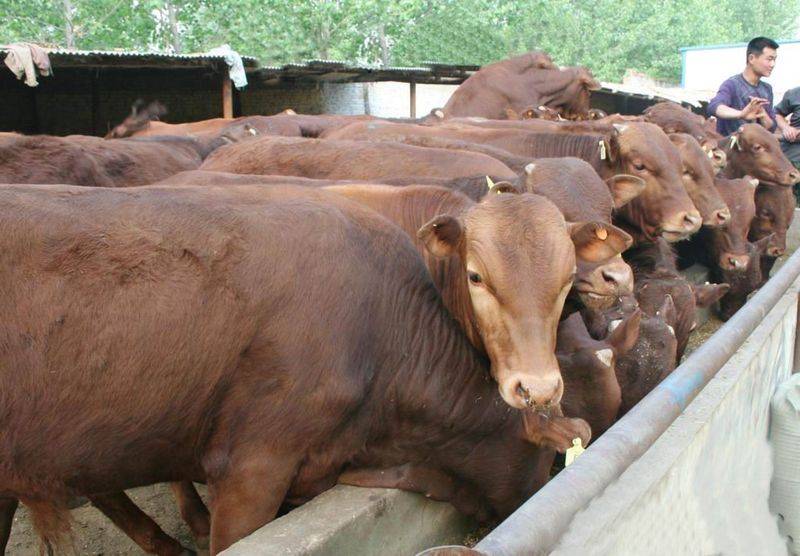
If you want to grow well, you need a lot of water, and the more water, the better the yield. Good water conditions allow for direct flooding and irrigation, as well as the purchase of additional pumping equipment and pipes if the land is difficult to lease. Land levelling, together with equipment purchases, would cost at least 30,000。
A 100-acre plant requires seed, which is not expensive and cheap, and a 100-acre cost $10,000。
Whatever it is planted, fertilizer is indispensable, and after all, it is the fruit of a flower that depends on it. Each harvest should be followed by fattening, so that the momentum does not decline and ensures the stability of production. Fertilizers are not cheap now, 500 bucks a year is needed, and 100 acres a year will cost at least $50,000。
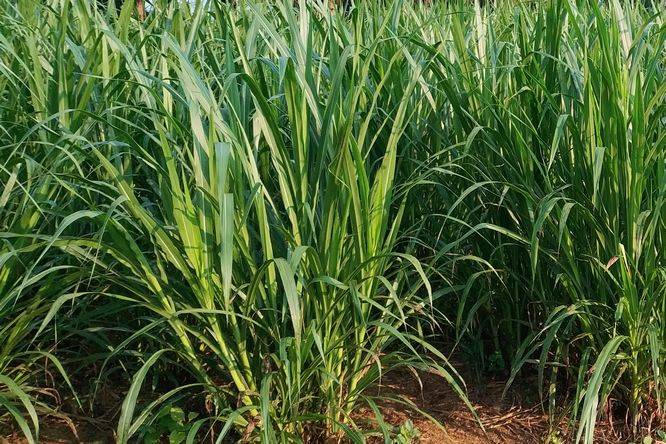
The labour cost is a big one, with at least 10 workers needed to manage 100 acres of mackerel grass. Even if it were $2,000 a month, it would cost $240,000 a year alone. It is not cost-effective for cattle to be a continuous input project, and it may not be that many employees are needed in a cattle farm, but that much labour is required to grow grass。
Forage revenues may be much lower than costs
And there's a serious problem with people growing grass, which is that production will fall. After all, you must do your best to grow your own grass, and it is not always easy to ask people to grow it. People who do nothing can lose their money, people who don't manage it, and production will decline. Farmers can grow their own bamboo acres up to 20 tons, and it would be nice to have 15 tons of grass。
A 100-acre rent would cost $100,000 per year, plus $40,000 for the purchase of grass and equipment, plus $50,000 for fertilizer and $240,000 for labour, which already cost $430,000。
The sale of 100 acres of prairie, 15 tons per acre, with an acre production value of up to $3,000, and 100 acres of income, at a cost far greater than income, is of course a loss, and it is certainly not cost-effective to ask people to grow grass。
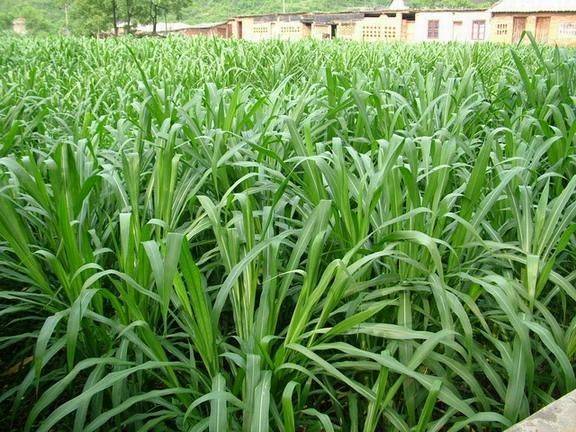
Of course, in practice, 10 people who grow grass may also be working in cattle farms, both growing grass and being responsible for day-to-day cattle-raising. Growing grass is just an extra job, and it is not reasonable to calculate a labour cost of 240,000 a year. However, if we grow grass and manage cattle farms, 2,000 will certainly not be available and it will normally cost 3,000 to get people. Even if we're going to grow grass at a cost of 1,000 bucks a year, we're going to need $120,000 a year。
The total cost of the grass calculated above is $430,000, and even if it is reduced by a further $120,000, the total cost will still be $310,000, which is just in balance with the benefits of growing the grass, and the aim of saving the cost by planting the grass has largely collapsed。
In fact, it would have been enough if there had been 300,000 dollars to buy grass and raise cattle directly, and if there had been long-term contracts with some grass-breeders, it would have been much cheaper to buy grass than to ask for it。
It can be said that large-scale cattle-breeding land can only solve some of the problems of employment, and the returns to cattle-breeders are not high. If workers are not responsible for low yields, and there will be losses, it will only be a laugh if they spend a year without saving their money。
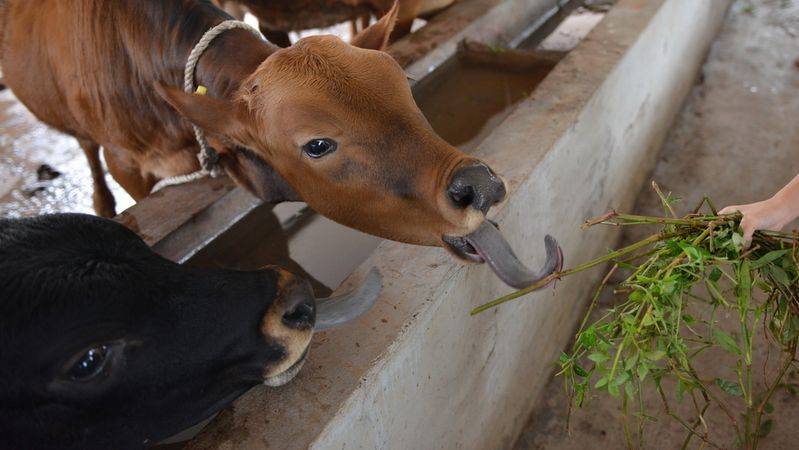
It is easier for large-scale cattle farmers to buy herbs directly. Yes
The social division of labour is now more and more subdivided, with professionals doing professional work. It is more efficient to concentrate on cattle and plant grass. For large cattle-breeding households, it is more convenient to buy grass directly, and if there is no local sale of herbs, it is only possible to go to the field to purchase it, which is considered too expensive. It is also important at this point to rent land for people to grow grass, preferably by using grass with farmers, providing grass to farmers free of charge, entering into contracts with farmers for the recycling of grass and allowing farmers to grow their own grass。
There are now many regions where cattle-breeding households have signed such agreements with farmers, who can generate considerable gains by growing their herbs, while cattle-breeding households have access to grass locally at cheaper prices than elsewhere. The rural pasture industry has also been boosted, and this has been significant。
For some remote rural areas and farmers who depend on food for their livelihood, it is good to introduce grass and bamboo cultivation. The profits from growing an acre of mackerel are $34,000, far higher than the income from growing food. Cooperation between the two parties is the result of mutual benefit and a desirable model of cattle breeding。



