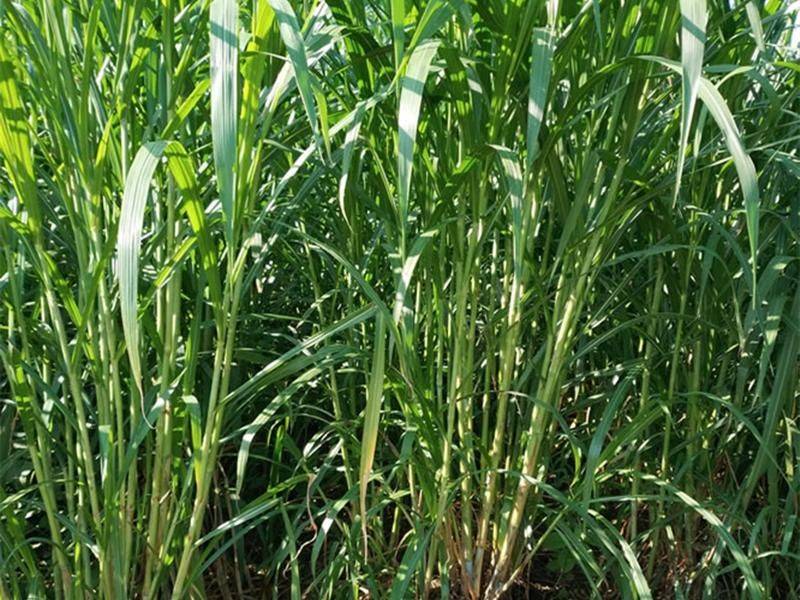
At present, bovine farming is mainly dominated by cattle shed farming, and few of them go to the fields as before. Such farming has resulted in significant savings in the time and human costs of raising cattle. However, if a single feed is fed, neglecting the supplementation of fodder can also lead to nutritional deficiencies such as cellulose. The purchase of herbage is not economical and herb farming has become an option for many farmers. Among them is the high yield of prairie grass, which can be harvested for 15 years at a time, easy and time-consuming, with very high levels of coarse protein, nutritional supplements to cattle growth and high popularity in the cattle industry。
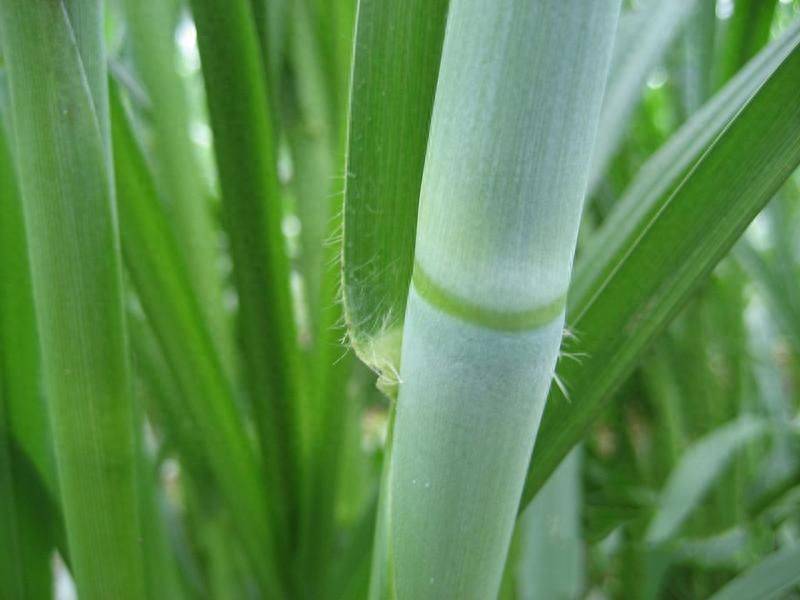
It can be grown for 15 years and sustains high yields without its strong distillation capacity. The grass itself belongs to the four carbon plants, which are different from the usual forage, and is more capable of dissolving the sun so that, in the light of the sun, it can obtain more abundant nutrients and be transformed into its own. It would be useful to have mastery of the methods used to plant the prairie, which, in addition to cattle, can be fed as pigs and fish, which can be fermented and fed in combination with the feed, reducing the use of fodder and facilitating farming。
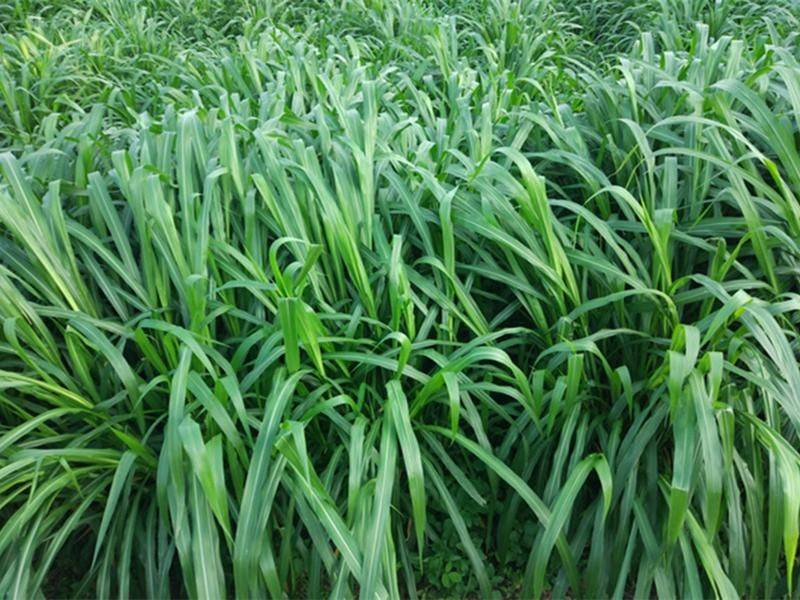
It is more suitable for cultivation in the southern part of the country because it prefers warm environments. Subtropical and tropical climates provide sufficient temperature and moisture, but also if extreme weather events occur. It is best not to grow below 8°c per se, at which time the grass is slowly growing and the grass is affected to some extent. Upon completion of each harvest, care should be taken to protect the roots from the cold of winter, with some heating measures if necessary。
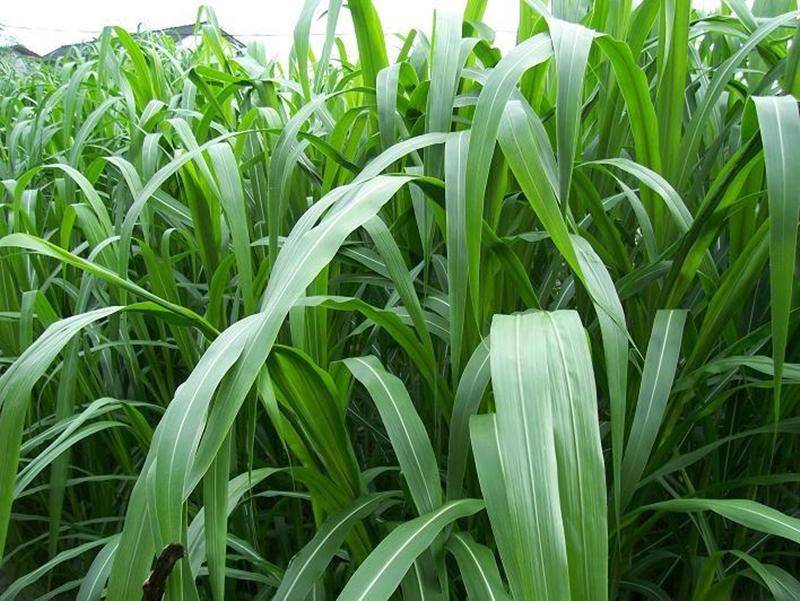
The fields where the grass is grown should also be carefully considered, the soil is fertile and the light is abundant, while the plots, which are easier to water, are more conducive to the growth of the grass. It is important to note that plumb and grass are more suitable for planting after breeding, which will significantly increase the rate of survival and ensure that each section requires a bud, otherwise the overall growth and development may be affected。
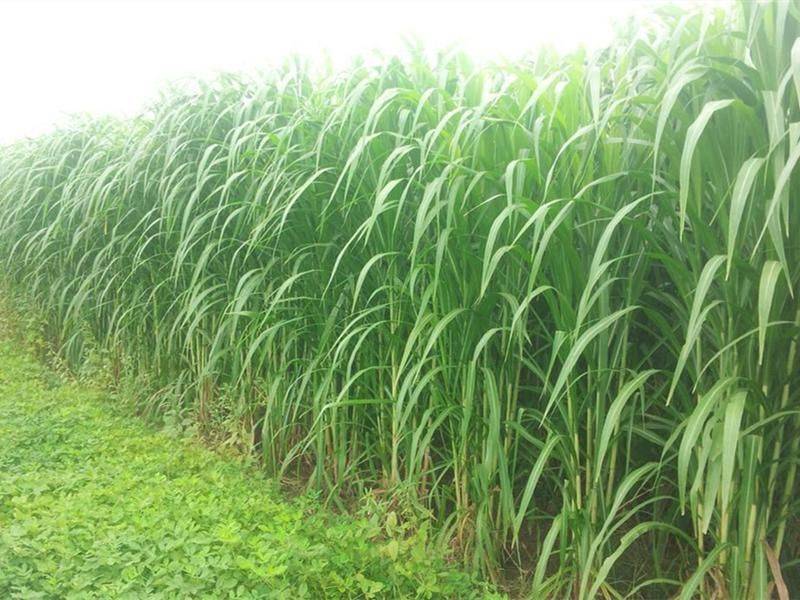
The nursery work is about a month old, and the maturity of the seedling is sufficient to allow for planting. The plant should ensure that the surrounding temperature is not too low, preferably after the end of march in spring, and that the planting is carried out by the end of the summer. Approximately 2,000 plants per acre could be planted, and over-screwed plants could lead to pests and diseases. In the planting process, care should also be taken to weeds and to avoid some weeds absorbing the nutrients of the weed, resulting in reduced yields or poor grass。