


The owner group blew up again: "as soon as the house was closed, the cabinet found that the wall had broken by 3 centimetres, and the cabinet and the sutures were punched."
"what's worse is the leak in my bathroom, the neighbor downstairs looking for the door, the $20,000 to get back to work, and the developer says i did it!"
Every year during the delivery season, a group of owners keep the new house as a “hothouse” because they “don't know how to examine it and are in trouble”。
Do you also think the examination is too professional and unnecessary
The laboratory did not require a thousand dollars for an examiner, and it spent 50 dollars on its own to buy a kit, so that 80 per cent of the problems could be detected by following the process。
Today, the zero threshold test plan was broken down: 10 mandatory tools (including self-replacement) plus 10 steps of the check-up process, with substandard standards and rights-based techniques, as it was done when the house was closed in order to avoid late return to work

I. Ready first: 10 check-ups, $50 done
The newbies are also able to do this, and the examination tools are divided into “essential cores” and “optional aids” that are available on the internet and in hardware stores without the need to buy professional suits, with a budget of $50-200。
(i) core tools required (6 items, not one item)
(b) ten-20 dollars, directly purchased by a hardware store。
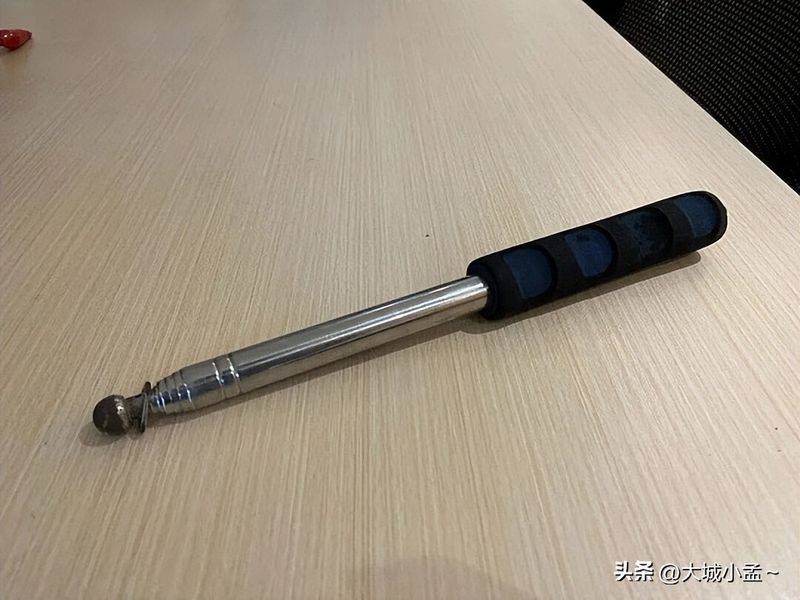
Horizontal/foot: check the wall, ground level, whether the doors and windows are tilted, 2 metres to the wall and 3 mm to fit; cell phone downloads of the “horizontal app” may be temporarily replaced; two metres of straight strips with hard cardboard to look at the gap; a simple $30, with a professional rule of 100 dollars (with long-term recommendations)。

3. Flashlights: look at the shadows of the ceiling, the bottom of the cupboard, the plumbing interface, etc., and look at the small cracks on the surface of the wall, the rusting of the pipes, the tiles and the empty drums; mobile phone flashlights (to the brightest mode); self-band, zero cost。
4. Drums + hoses: check whether waterproofing, drainage is smooth, the toilet, the balcony pouring out is closed, the kitchen sink, the ground leaking to measure drainage。
(b) 90 per cent of electrical circuit problems can be detected by it, such as “firing zero” and $20-30, which is highly marketed online。

Mark pen + paper: mark the problem, identify empty drums and crack them, mark the ring on the spot, write the problem (e. G., “three empty drums on the west wall of the living room”) and avoid late-stage developers' disagreement; $5, stationery shop。
(ii) optional support tools (4 items, efficiency improvements)
Volkswagen: a measure of the actual size of the house (a difference of 3% against the contract for the purchase of the house)
2. Ping-pong: check the slope of the ground (a small amount of water in the bathroom, a ping-pong ball capable of leaking to the ground
3. Paper towels: rinsing the pipes, doors and windows with hardware and checking for rust and leaks
Camera/cellular: taking problem photos + videos, retaining evidence (critical for rights protection)。

Ii. By process: 10-step approach to the examination
From the outside to the inside, one by one, the examination is to be "first whole, then partial, then hidden, then surface" and, in this order, there is no oversight, and it is recommended that it be checked from the inside。
Step 1: "three books, one statement, no one will sign!"
This is a “requirement” for housing, which the developer must provide, and which is not a breach of contract, if any:
Three books: residential quality assurance certificate, residential use instructions, construction quality determinations
One certificate: comprehensive acceptance certificate for completion of the real estate development project
Table : complete receipt and inspection filing form (must have a file stamp and a copy is invalid)。
Pipe avoidance: developer says “sign first and then give information” and refuses it directly! Signs represent recognition of the quality of the house, and later advocacy。
Step 2: entry and acceptance, switch + sealing + safety
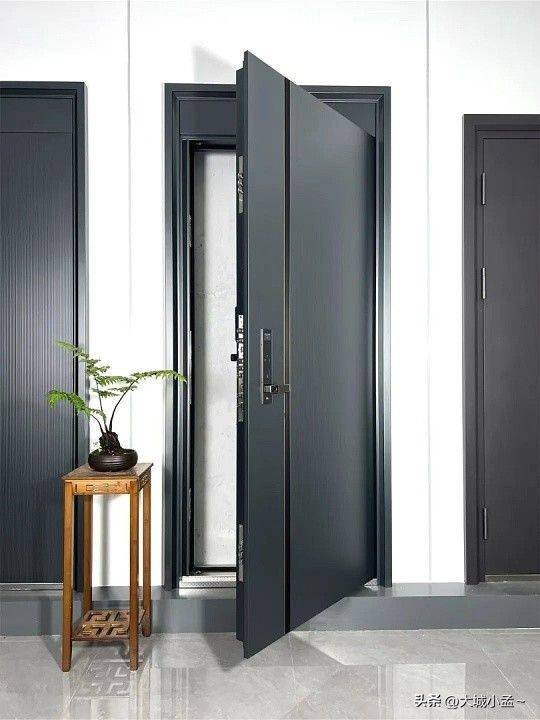
The door is "face" and a security barrier
1. Switches: five repeated switches, non-cartons, non-acoustics and, when closed, evenly sewn with the door frame (≤2 mm)
2. Sealability: seal the door with a piece of paper, pull the note after closing the door, and do not remove it to indicate that it is sealed (the leak affects temperature protection)
3. Details: whether door handles, lock cores are loose, door surfaces are scratched, dimpled, door frames and wall connections are strong (screw with hands)。
Case: my colleague wang didn't check the door, checked in and found that the locks were broken, and the change of lock cost $800, and the developer said, “it was you who broke it”, and it didn't work。
Step 3: wall acceptance, empty drums + crack + flatness (most likely to cause problems)
The late renovation of the wall must focus on:
1. Empty drums: full walls with an empty hammer, 5 per cent of the kitchen, toilet tile emptiness and zero of the living room, bedroom wall (emulsifiable paint) = 0 (painting later in the empty drum)
2. Fragments: a flashlight will be used to mark the surface of the wall, a small crack will also be marked, and a crack exceeding 0. 3 mm will require the development of a manufacturer's plasma treatment
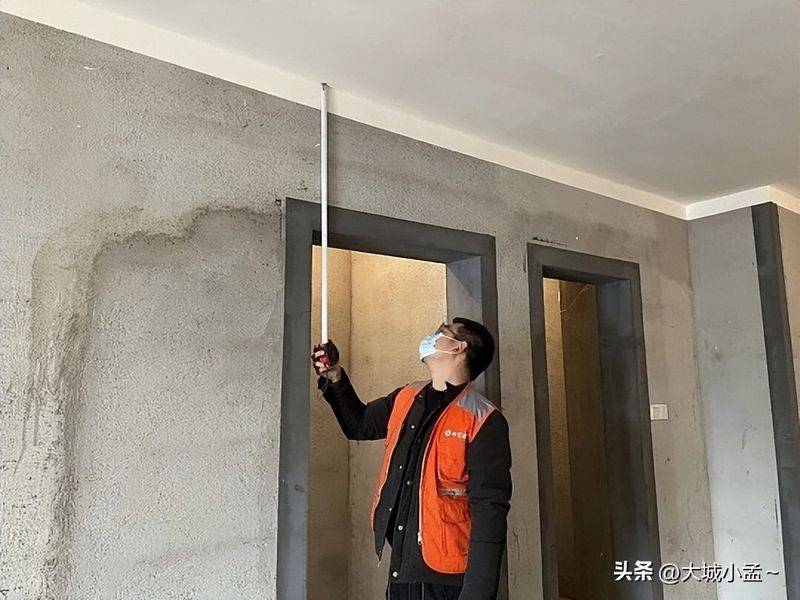
3. Flatness: 2 metres by foot and 3 mm by gap, and above 5 mm, resulting in a gap between the closets and the television cabinets。
Sheltering pits: where there's a patch on the wall, the focus is on the pre-emption of empty drums, which may not be fixed。
Step 4: ground acceptance, empty drum + slope + rise sand
The ground is divided into tiles and concrete floors (pulls), with a different emphasis on receiving and inspection:
1. Grounds of tiles: empty drums on the same side of the wall, which must have a slope in the bathroom and balcony (a ping-pong test, flow to the ground)
(b) case: li's cement house cement ground sand, undetected, 3,000 yuan spent on ground solidification in front of the floor, which was spent in vain。
Step 5: receiving and inspection of utilities, interpolation + pipe + waterproofing (hidden engineering, highest return cost)
Water and electricity are “intuitives buried in walls”, and in case of a problem, they must be closely watched:
1. Plug-in: plug-in with a phase detector, with all plugs being wired correctly and electrically functioning; clear marking of empty boxes, and a single jump test
Water pipes: open all faucets, with a smooth and sound-free flow and no drop of water after closing; water pipes interfaces are covered with paper towels and no seepage of water
3. Waterproofing: bathrooms, balconys, closed water tests (keys!): blocking the leak, watering 3-5 cm deep, going downstairs in 24 hours to see the ceiling without seepage。
Step 6: receipt and inspection of doors and windows
Glass + seal + gold
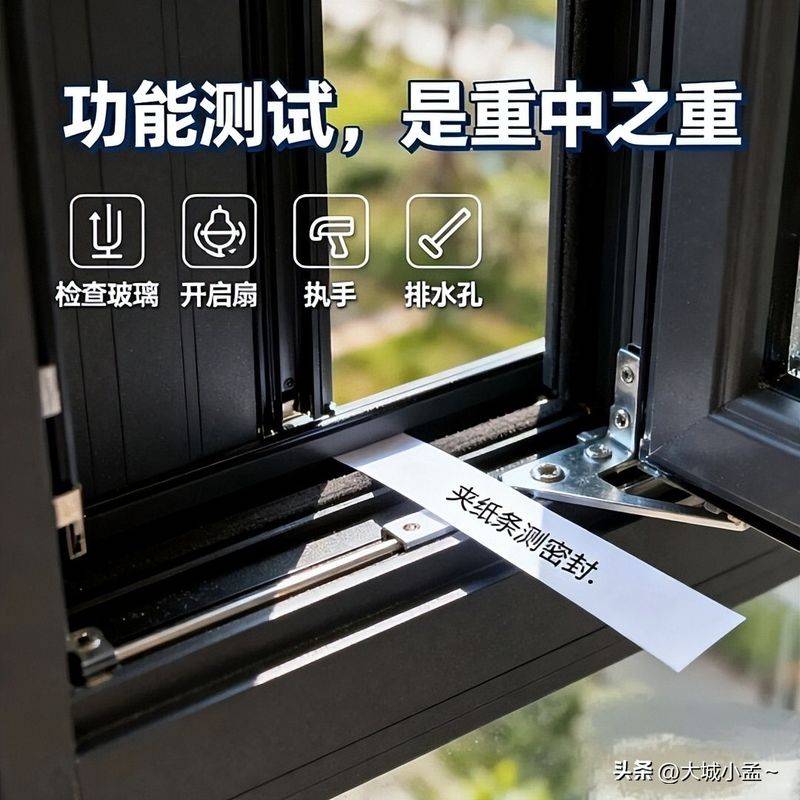
Glass: see if there is a 3c authentication mark (necessary for steelized glass) without scratches and bubbles
2. Seal: paper plugs behind closed windows that do not work; whether the wind is leaking or not
3. Gold: five times repeatedly, no cartons, no noises, locking devices
4. Drains: whether the drainage hole at the bottom of the window is open (a toothpick is used to prevent the concrete from blocking and the rain leaks)。
Step 7: kitchen bathroom inspection and acceptance
Pyrotechnic + leak + piping
1. Pyrotechnics: light a lighter, close to the pyrotechnic anti-barrel, and the flame is inhaled to indicate a smooth flow (the failure of the anti-barrel is corrosive and you can smell it downstairs)
2. Leakage: the drainage speed of the water recharge test, which is fully discharged within 10 seconds and may be slow enough to block the pipe
Pipelines: check whether the sewers, sewage pipes are cracked, paper towels are used for interfaces and no water permeation; whether the piping is open。
Step 8: checking and acceptance of hoisting
It's probably just a kitchen, a toilet with a chandelier
1. Validity: pushing the ceiling with your hand, without shaking or ash
2. Gaps: the gap between the ceiling and the wall and the ceiling plate is even and undivided。
Step 9: area measurement
Actual area vs contract area measured by volume size and width of each room, calculated as actual area (long x width) with a total area of 3 per cent eligible by error:
3% error: at actual area or refund
Error > 3%: check-out may be required or more than partially offset (as prescribed by law)。
Pipe avoidance: the developer gives a “specified area table” stamped and the video is kept while measuring itself。
Step 10: recording issues
Signing confirmed the rectification, and when all the questions are cleared, do three things:
Questions of aggregation: a list of marked empty drums, cracks, leaks, etc., with location and quantity
2. Signature confirmation: to allow developers to check on-site, to sign and stamp the list and to agree on the timing of the modification (usually 15-30 days)
Second acceptance: once the reorganization has been completed, the original list is re-checked and then signed in, and the failure continues to require modification。
Three pits to hide, and the new ones will see
Minefield 1: the developer says “take-in-the-room” — strongly rejecting it! The quality of the signature is yours and the initiative is lost
(b) minefield 2: oral commitment to correction - must be written in an agreement stating that `[n]x dollars/day for late corrections' is null and void
Minefield 3: small problems are left unattended — for example, “a small crack” in an empty drum”, which can be magnified by later renovations, such as the loss of skin when painted in an empty drum。
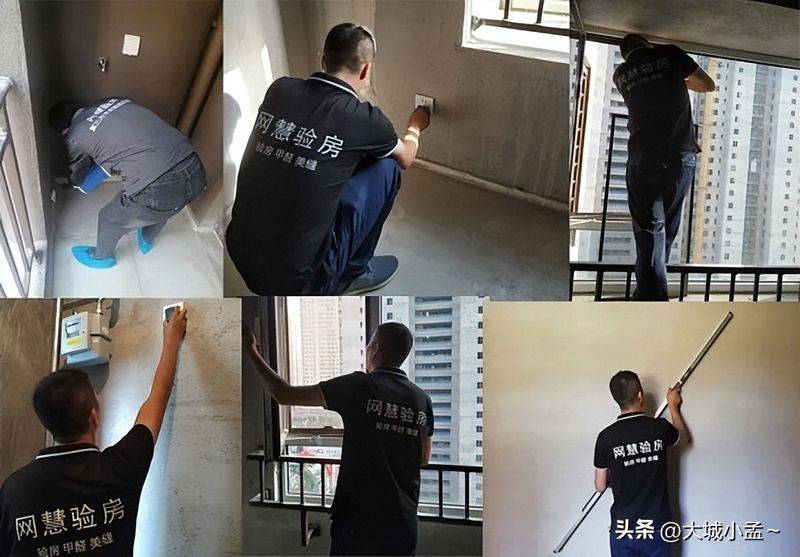
Many people are now “driving” to sign “pastes” when they close their houses, and they are so confused that they don't find the problem until they are refurbished or checked in, and when they say “you have signed up” to clear up their responsibilities。
Its laboratory is not a “sniffing”, it is a legal right of the owner to spend one day examining the house, avoiding tens of thousands of dollars in return for work
In the end, the examination is the “last line of defence” for the delivery of the new house, not the passage, but the responsibility for its own house. The tools are ready, the process is correct, the evidence is sufficient to secure the house and the satisfactory home。

In conclusion, i would like to say that when the house is closed, it is more careful and less so. This is the most time-consuming pre-renovation course。
By the way, did you ever step on the pit when you checked in? Found empty drums or leaked water? The comment section will talk about your experience



