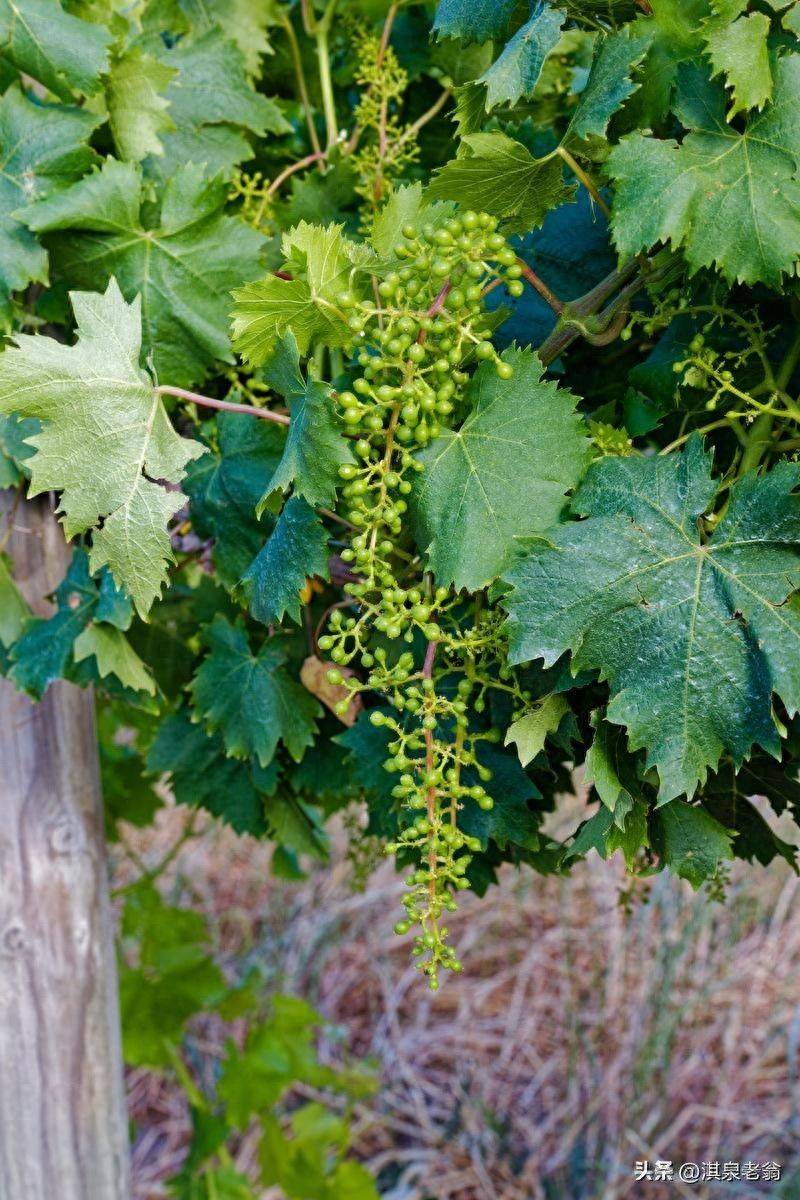
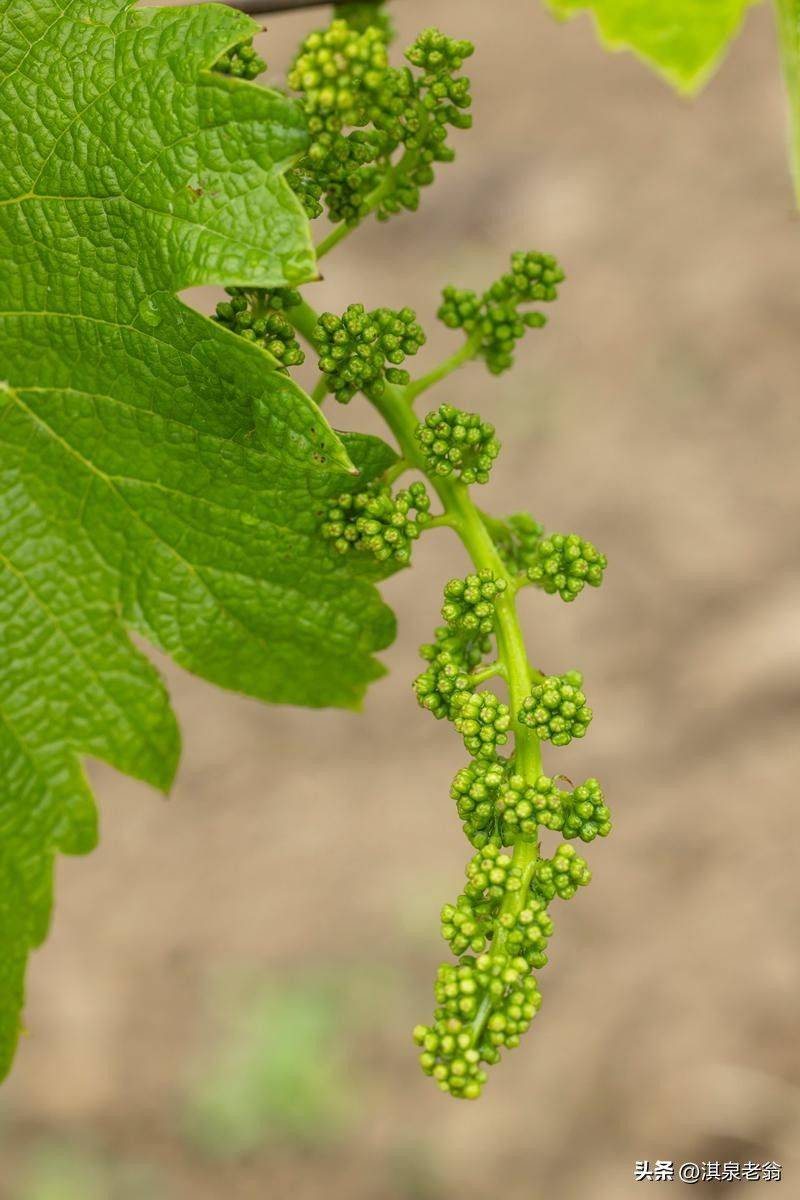
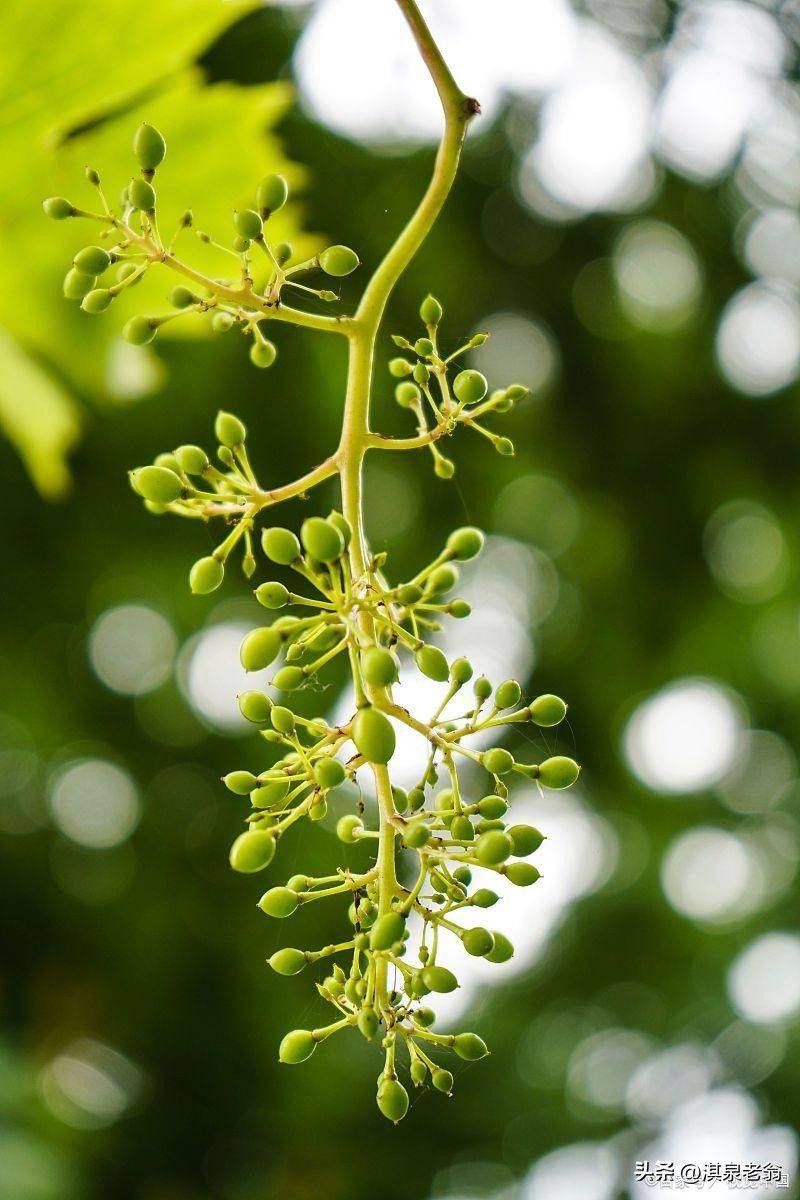
Grape sit-in rates directly determine unit area production and the commercial nature of fruit, which are central to the quality and efficient cultivation of grapes. Production is often caused by nutritional imbalances in tree bodies, poor pollination, environmental coercion, poor cutting and management of flowers and pests, resulting in severe drop-out fruit, thin sitting fruit and visible size particles. This paper provides a technical basis for the standardization of grape cultivation by systematically describing comprehensive measures to increase the rate of grapes sitting fruit, both in the context of causal analysis and technological landing。
I. The main cause of the diarrhea
(i) imbalance in nutrition distribution
Grape sprouts are split, flowering, pollination and sitting fruit are highly dependent on co-supply of carbohydrates with mineral nutrients. The competition for nutrients between new and sequenced growth, organic undernourishment in the flower houses, abnormal embryos and declining pollen activity have directly led to pollination failure and fallout. Nitrogen overweight, phosphorus potassium deficiency, zinc shortage, etc. Can exacerbate nutritional disorders and significantly reduce sit-in rates。
(ii) pollination barriers
Some species are female or pollen in small quantities and require pollination trees; low temperature (<15°c), high temperature (>35°c), continuous rainfall, wind drying, etc., all inhibit pollen growth and plume extension, resulting in incomplete fertilization. The triple and quadrupling varieties themselves suffer from reproductive handicaps, with a low rate of natural sit-in。
(iii) environmental and cultivation coercion
Overwhelming or severe drought can cause root-based physiologic disorders and exacerbate the fall of flowers; depression in the field, poor ventilation and the reduction of photolytic efficiency and the developmental quality of flowers; and the disruption of nutritional supply and distribution by overheating or overweighting, inappropriate branching and loss of control。
(iv) insect and pharmaceutical hazards
Plumbs, cormorants, green blinds, tremors, etc. Are directly harmful to plumes and berries, and the indiscriminate use of pesticides, microbicides or high concentrations in flowers can damage flowers, inhibit pollination and lead to the fallout of the drug。
Ii. Core technical measures to increase the rate of grapes sitting fruit
(i) cultivation of the mediocre tree and laying the foundation for the sedentary fruit
The trees are overstretched and run out of nutrients, and the mediocre is a prerequisite for stability。
Reasonable load, stabilization of tree pattern: yield based on species, tree age, soil fertility, one or two ears for strong branches, one ear for medium-sized branches, and no ear for weak branches, avoiding premature decay due to overloading。
2. Controlled growth: strict pre-flower control of nitrogen fertilizer and the adoption of measures such as heart-crunching, stalking, etc., to reduce inefficient nutrient consumption; moderate filling of nitrogen in front of weak trees, combined with phosphorus potassium and organic fertilizer, and rapid restoration of tree positions。
3. Root system conservation: deep-spreading in the autumn, increased application of decomposed organic fertilizers, improvement of the particle structure and aerobics of the soil mass, promotion of root system growth and nutrient absorption, and upgrading of tree stock nutrients。
(ii) scientific hydrofertilizer management, accurate nutrition
Accompanied by the application of base weights: in the autumn, the application of foot-based fertilizers, dominated by decomposition organic fertilizers, together with calcium phosphate, potassium sulphate, with organic fertilizer of 3-5 tons per acre, calcium per phosphate of 50 kg and potassium sulphate of 20 kg, reserves nutrients for thawing and flowering the following year。
Pre-facing fattening: before the blooming of the flower, the growth of the lumber is facilitated by the application of 5-8 kg of high-phosphate water soluble per acre with the application of 0. 2-0. 3% potassium phosphate。
Key micro-fertilizer supplementation: boron promotes pollen growth and the extension of pollen tubes, with 0. 2%-0. 3% boron or 1,000 times faster sprayed over the first 7-10 days; zinc is involved in growth synthesis, preventing size particles, and 0. 2% zinc sulfate solution before flowers, significantly improving pollination quality。
Hydrological precision control: pre-flower water is poured in the first three to five days of the flower to ensure stability of the flowering season; large water is prohibited during the flowering period to avoid sudden changes in soil moisture leading to the falling of the flower; and, after the seating of the fruit, the fruit water is distributed in a timely manner to keep the soil wet but not to accumulate。
(iii) precise shearing and branch management to optimize nutritional distribution
Winter shears: use of mid-twigs combined with shears, with two to four sprouts, rationally configured parent branches, with each acre being contained in 4,000 to 5,000 pieces, and avoiding excessive branches leading to depression and nutrient dispersion。
New pickle: 8-10 days before the flowering of a serious species (e. G. Giant peaks) and 3-5 days before the flowering of a general variety, the result of which is 6-8 leaf picks at the top of the flowering order, removes the fresh tip of 3-5 centimetres, inhibits the growth of the new crop and concentrates the nutrients on the gratuity。
3. Spectrums and volumes to be processed: all of the following sequences to be removed apart from this, the above-sequenced subsample leaves between one and two leaves behind the heart of the lobe; the twig must be cut in a timely manner to reduce nutrient consumption and entanglement of branches and to improve ventilation in the field。
Cranium whole branches: the chickens are tied up in a timely manner as they grow up to 20-30 cm, the branches are distributed evenly, the leaves cover is reasonable, the luminous efficiency is enhanced, and the seating fruit is provided with sufficient photocolumn。
(iv) standardized fruit and fruit management to improve the quality of semen
1. Plumbing: the first seven days of wiping out excessive, weak and deforming sequences, with strong branches with two ears, medium-sized branches with one ear and weak branches with one fifth of the tip of the luminous ear, removing large branches of the upper part, so that the lumbers are compact and condensed, and so that the balance of the sitting fruit is even。
Artificially assisted pollination: during the flowering season, in cold rain, wind-free weather, using such methods as artificial pollination, and flowering bees (one to two boxes per acre) to improve pollination efficiency and reduce the fallout from fertilisation。
Physico-defeating fruit: 7 to 10 days after the graft, the removal of small particles, malformations, diseased particles, permutations, 40 to 60 per ear, ensuring the same size of the grain and reducing the nutritional burden on the tree body。
(v) optimizing the flowering environment against climate coercion
Temperature regulation: the facility planting period is maintained at 22-28°c during the day and 15-18°c at night to avoid low temperatures and high temperatures of burning; the field planting period is covered by low temperatures and moderate cooling and humidity during high temperatures and droughts。
2. Ventilating light: timely removal of weeds from rows, removal of branches, assurance of good ventilation and adequate light in the ear of flowers, reduction of the probability of disease and improvement of the development quality of flowers。
3. Rain protection: rain-shield cultivation in rain-prone areas to prevent rain from washing pollen, spreading disease and reducing pollination failures caused by rain。
(vi) scientific use of plant growth adjusters to assist in the preservation of flowers
With regard to the type of sibling difficulty, the rational use of the regulating agent increases the sibling rate, subject to the standard dose and duration。
Achromic acid (ga3): serial length of about 10 cm, impregnated or sprayed with 5-10 mg/l achromic acid, ploughing of the bouquet to reduce the oscillation pressure; end of flowering period 10-25 mg/l achromic acid to treat the ear and increase sitting rate。
Chlorptunium (cppu): 10-15 days after flowering, 5-20 mg/l of chlorine is used to impregnate the steroids, promote the expansion and quality of the fruit。
Acetamine (medrin): pre-facing application of 550-650 mg/l-colytamine, inhibition of new growth, balancing nutritional growth with reproductive growth, and increase of sit-in rates for mega-peaks, gyeongya, etc。
N. B.: adjustments require strict control of concentrations and durations, with small area testing followed by large area applications to avoid adverse effects。
(vii) green bug control to reduce damage to flowers
1. Prevention is the main focus: winter clean-up, cutting of diseased branches, removal of fallows, spraying of thiomers throughout the park and lowering of the winter base of the disease。
2. Pre-flower precision control: the pre-flower focus is on the prevention of green blinding, parrots, asymptomosis, brownness of the axle, the selection of low-toxic and low-residency agents to avoid vasectomy; when medicines are necessary, after 4 p. M., they are selected to avoid pollination peaks and strictly control concentrations。
Physical and biological control: use of cedars, decoy lamps, sexual inducements to kill the insects, in conjunction with biopesticides, reduction of chemical pesticide use and avoidance of the harmful effects of drugs leading to flowers。
(viii) varieties selection and pollination tree configuration
1. Optimal varieties: selection of disease-resistant varieties with well-developed flowers, high pollen and high natural sit-in rates, making cultivation management less difficult。
2. Rationally configured pollination trees: female species or species with small amounts of pollination, distributed according to the main plant species = 4:1 ratio to ensure sufficient pollination。
Technical integration and attention
Increasing the rate of raisin fruit is a systematic project for nutrition regulation, branch management, fruit treatment, environmental optimization and synergy in pest control, and a single measure is difficult to achieve. Production should be based on the principles of mediocre tree pattern, precision water fertilizers, early control, safe fruit protection and flexibility in the adaptation of technology programmes to the characteristics of the species, their condition and climatic conditions。
1. Prioritize agricultural measures to preserve fruit, reduce dependency on regulators and ensure the quality of fruit and food security。
2. Tighten control of nitrogen fertilizers, water flooding, overcutting and pesticide misuse from front to end。
3. Monitor the dynamics of tree positions, conditions and pests throughout the process, adapting management measures in a timely manner to achieve robust yield quality。
At the heart of the increase in the rate of grapes sitting fruit is balanced nutrition, guaranteed pollination, environmental optimization and precision management. Through the development of integrated techniques such as robust tree positions, scientific water fertilizer supplies, fine trimming and flower fruit management, and green pest control, there is a significant reduction in the incidence of flowers, an increase in the parity between sit-in and fruit, a high-quality, high-yielding and efficient cultivation of grapes and a solid technological support for efficiency in the grape industry。