


The so-called solar hothouse autumn, i. E. Early autumn (late august-early september), has been established in late autumn (late october) and harvests of marketed celery before spring. The following are highlights of their high-yielding cultivation techniques:
I. Selection of progeny
The main varieties of celery are those of “open glass celery”, “zinnam cel” and “u. S. Cel”。
Ii. Employment
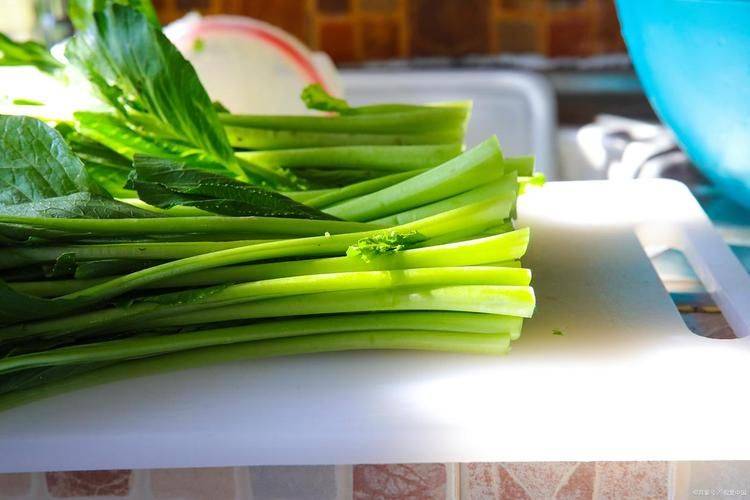
1. Selection of seedbeds. Possibilities should be chosen for drainage and drainage, soil dysentery and fertile land on the border or sandy soil. In general, per 0. 1 acre bed is subject to decomposed organic fattening ranging from 300 to 500 kg, urea or other fine fats ranging from 2 to 4 kg, with finely prepared lycées awaiting broadcast。
Seed treatment. Seeds are immersed in cold water for 12 to 24 hours, are extracted repeatedly with their hands poached, wax skins are removed and placed at 15°c to 20°c, water is wet and flipped twice a day, and 50% of the seeds are seeded in white。
Seeding and management. In the morning of the election or after 5 p. M. The permafrost is pre-planted with sufficient water to be spread evenly when the water seeps. The sowing is followed by a thin sandy soil of between 0. 5 cm and 1. 0 cm and is carried up to the bow shed to keep the soil wet. In about six days, the seedlings were excreted and gradually removed to the bow sheds, which were subsequently filled with water, with a view to preventing high temperatures and flooding. The seedlings are to be followed by the seedlings. During the nursery period, urea can be followed up from 1. 0 kg to 1. 5 kg in 0. 1 acre beds, depending on the weight of the child。
Iii. Transfer
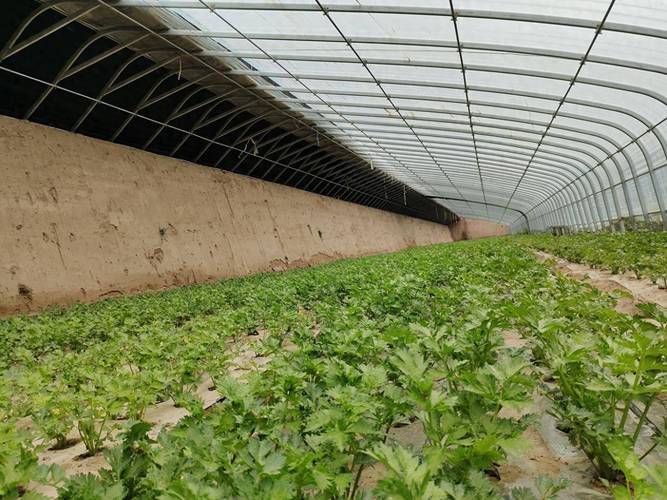
1. Fertilizing the ground. The solar-temperature room is used as base-composed fat for 5,000 kg per acre, 50 to 60 kg of phosphorus, 30 to 50 kg of carbon ammonium, and finely prepared for decomposition。
2. Timely planting. They are 50 to 60 days old and can be planted when they have five to six real leaves. The seedbed before the seedling rises shall be filled with water for the seedlings. Each cave is made of two or one. The average line is 15 cm and the den 10 cm. The planting depth is based on the criterion of “silent, unsilent”。
Iv. Post-plant management
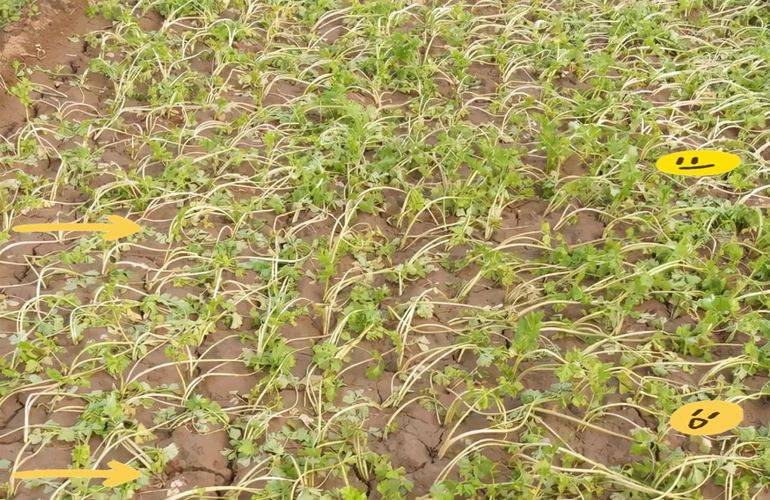
1. Precipice management. The water is re-fed two to three days after planting. When the heart leaves are greenened, the new roots are produced in a plow of pine, which promotes the growth of the roots, prevents the growth of the outer leaves and affects the quality。
2. Post-sap management. First, control the temperature. The appropriate temperature should be within 15°c to 22°c after planting and before spring. Before and after the fall of the frost, plastic film should be removed. After mid-november, in the event of snow or low-temperature colds, saplings should be added. When the temperature is high in the middle of the day, ventilation should be used to cool. Second, manure management. It should be watered and the soil moist. Based on the quantity, soil fertility and longness of bottom fertilizer applied in the whole area, it is generally possible to catch up twice in combination with water, from 15 to 20 kilograms per acre, or 20 to 25 kilograms per acre, and to apply carbon dioxide and leaf-based fertilizer. Thirdly, care is taken to combat pests and diseases. (source: zhang ming cai, 22 december 1997)



