


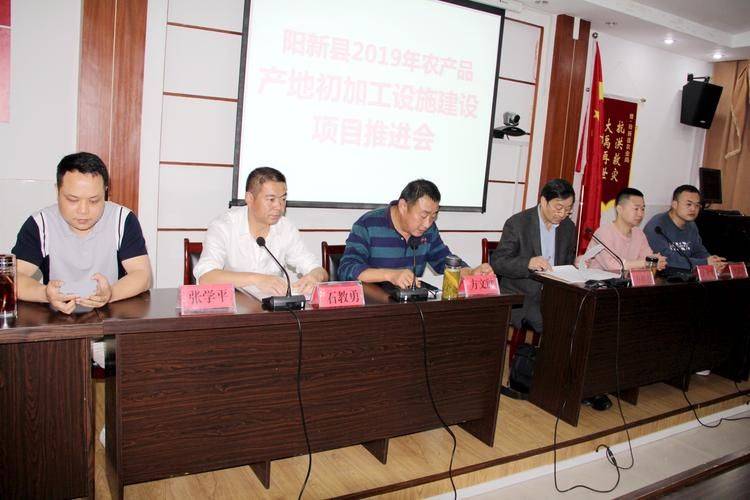
In order to promote the effective implementation of the policy on subsidies for primary processing facilities in agricultural production, and to promote greater awareness, accurate understanding of policies, mastery of implementation requirements and clear procedural requirements, the agricultural processing department of the ministry of agriculture organized two training courses on policies for subsidies for primary processing facilities in agricultural production, held in beijing on 25-26 and 29-30 may, respectively. The training of 380 participants from the provincial, district and county agro-processing authorities and project technical support units of the xinjiang military corps for the implementation of the 13 subsidy policies resulted in the full coverage of county (district, city) administrations for the implementation of the subsidy policy, which provided strong support for the full implementation of the policy on subsidies for primary processing facilities for agricultural production in 2014。
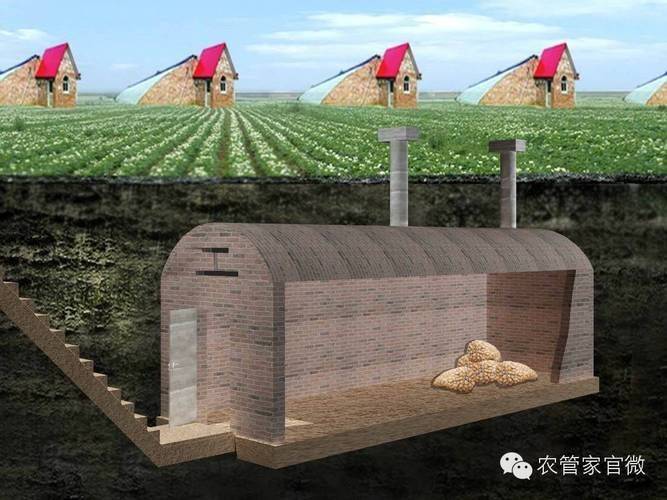
In the two years since the implementation of the policy on subsidies for the initial processing of agricultural produce, the central financial authorities have allocated a total of rmb 1 billion to boost local and farmers ' investment of rmb 2. 3 billion. Subsidized farmers ' professional cooperatives and farmers ' households built 50,000 primary processing facilities, adding 860,000 tons of potato storage capacity, 670,000 tons of fruit and vegetables storage capacity and 430,000 tons of fruit and vegetables drying capacity. It is generally reflected in the provinces and districts that this is a good policy for the foreigners and that it is a work for the people and for the german government. The first is to reduce supply and boost revenue. With the construction of storage and drying facilities by farmers, the rate of post-natal loss of potatoes, fruits and vegetables fell from 15 to 20 per cent, 15 to 20 per cent, 20 to 25 per cent to 6 per cent, 4 per cent and less, respectively, representing an additional 275,000 tons of production per year and an increase of 30 to 50 per cent in sales during the quarter, resulting in an additional 1. 8 billion yuan. The useful life of the facility is calculated at 20 years and can yield a gain of $36 billion to farmers. Second is improving quality and promoting processing. Following the implementation of the scientific storage, the potatoes were kept in a sprout in march-april, and apples and carrots, etc., were kept in a scavenging and scavenging condition during the month of may-june, maintaining the quality and appearance of the storage. At the same time, the supply of raw materials has been extended, the production cycle of processing enterprises has been extended, the number of manufacturing enterprises has been reduced, social resources have been saved and production efficiency and economic efficiency of processing enterprises have been improved. Third is balanced listing and promotion of sales. In the main potato-producing areas of the north-west, north-east and north-east, the sale period of potatoes has been extended from less than half a month to seven months, resulting in sales at the wrong time and regulating market supply and demand. Vegetables and vegetables are transported pre-cooled and market sales extend from adjacent areas to all parts of the country or neighbouring countries. Fourth is to enhance expectations and direct production. Farmers have primary processing facilities, such as storage, fresh and drying, and grow fresh and productive agricultural products without fear of difficulty in marketing and poor prices. Farmers in the project implementation areas have indicated that the state has supported the construction of scientifically useful primary processing facilities, that agricultural products have hardly been lost, and that they have improved their quality, which, together with a stable market and good prices, is now sold without fear。
The director-general of the agricultural processing department of the ministry of agriculture, zong jinyu, stated that the policy of subsidizing facilities for the initial processing of agricultural produce was an important element of the policy of the central party, the state council, for farmers and farmers to be rich and productive. He stressed that agro-industry authorities at all levels should be at a high political and global level, that the implementation of a sound subsidy policy should be a top priority in the current processing of agricultural products, that a sense of mission and responsibility should be constantly strengthened, that organizational leadership should be strengthened and that efforts should be pursued. - to be well organized. The agro-processing industry authorities at all levels must attach great importance to the proper deployment, organization and integration of organizational implementation at the centre of the sector and gradually increase to the local government's priority, ensuring the smooth implementation of the subsidy policy and working towards the construction, use and effectiveness of the subsidized facilities during the year. The second is to strengthen the direction of planning. A long-term concept of development should be developed, research and studies strengthened, lessons learned carefully, real needs identified and initial processing subsidy plans for medium- and long-term agricultural production should be accelerated as a basis for measuring funds and guiding implementation. It is necessary to further define objectives, focus support and improve the accuracy and orientation of subsidy policies through planning. The project will be implemented in conjunction with modern agricultural demonstration areas and industrial parks, and will be progressively promoted and built around the dominant industries and main production areas to accelerate the development of niche industries. There is a need for positive change and innovation. The reform and innovation of the policy on subsidies for the initial processing of agricultural produce has been stepped up in line with the principle of “stable progress and innovation”. It is necessary to create innovative mechanisms to operate with maximum decentralization, to meet the needs of the population to the greatest extent possible and to reassure and satisfy the government. Technological innovation should be strengthened, technology programmes further refined and improved, and sound technology should rely on teams and promote the localization and scientificization of technologies and facilities. Fourth, accountability should be strictly enforced. As soon as possible, provinces should establish a level-i, level-i accountability system, clarify job requirements and implement management responsibilities. At the same time, it is necessary to establish adequate mechanisms for the prevention and control of risks of integrity, and to take precautionary measures to ensure that sunlight operations are regulated in the event of risk. The county agro-industry authorities, together with the financial authorities, are to organize the project approval, technical guidance, project acceptance and disbursement of funds, strengthen the information management of project applications, audits and settlements, and increase the efficiency and transparency of the process. Fifth, oversight management should be strengthened. The provincial agro-industrial authorities, in conjunction with the financial authorities, are to develop a monitoring and inspection programme, strengthen supervision and supervision of the implementation of the subsidy policy, organize special inspections and spot inspections, and scrutinize violations such as the collection of subsidies and excessive charges. Subsidy funds must be earmarked and may not be withheld, squeezed or diverted. The necessary resources should be allocated to ensure the smooth implementation of policy advocacy, localization, technical guidance and training, inspection and acceptance. Central subsidy funds are prohibited. The ministry of agriculture, together with the ministry of finance, will also carry out ad hoc and focused inspections on a regular basis, with a view to seriously detecting and prosecuting violations. In the case of districts where problems have occurred, the situation is strictly identified and the national agricultural and financial system is informed, with a copy to the district's disciplinary inspectorate, which is referred to the judicial authorities in cases of serious crimes. It is important that the chain of integrity be tightened, that the moral bottom line, the legal red line, the system's high-pressure line be kept clean and that it be done. The corruption of rent-seeking policies and the destruction of cadres, bad policies and images in the implementation of subsidies must be firmly rejected。
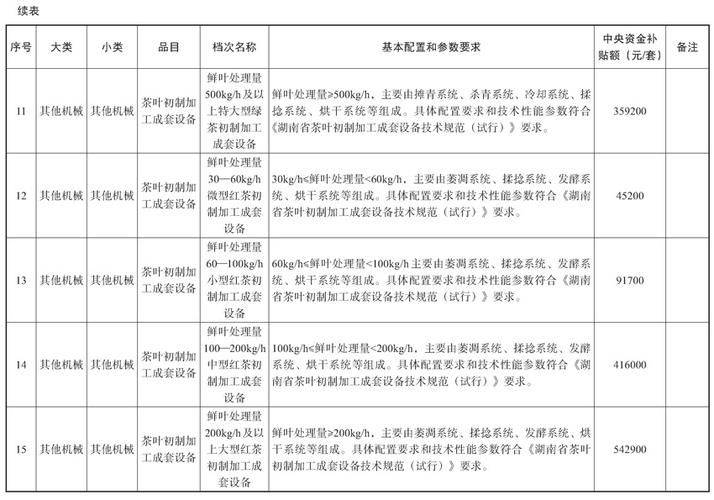
The training focused on the general requirements for the implementation of the subsidy policy, the information system for the management of the grant policy, the potato storage, the technology for the conservation and drying of fruit and vegetables and the subsidy for the acquisition of machinery for the initial processing of agricultural products. The first is that policy is fully in place. The participants expressed the view that, as the subsidy policy had only been in place for two years and was still in an exploratory phase, it was not sufficiently clear how much detail it was being implemented. Through learning exchanges and on-the-spot responses, mature practices and experiences from all over the country have been learned, resulting in a sense of confusion about the work of local policy implementation and a clearer understanding of the effectiveness of the work if conducted in a normative manner. The second is better familiarity with technology. The experts provided professional insight into facility usage protocols and care, and participants gained a better understanding of the primary processing techniques at the place of production, especially the preservation of 15 fruits, which is important for achieving “one pool of multiple uses”. Thirdly, there is greater clarity of responsibility. As a result of the training, the specific responsibilities of the various policy-implementing units at all levels were clarified, and the sense of responsibility and purpose of the participants was enhanced. The participants expressed their desire to implement the subsidy policy in a spirit of high responsibility for the state, farmers and agro-industrial development, in an effort to do good, to do good, to do good and to do something new, and to contribute to the further expansion of the implementation of the subsidy policy to the benefit of more farmers。



